Orchidaceae
Pink Rock Orchid (Dendrobium kingianum): Complete Care Guide
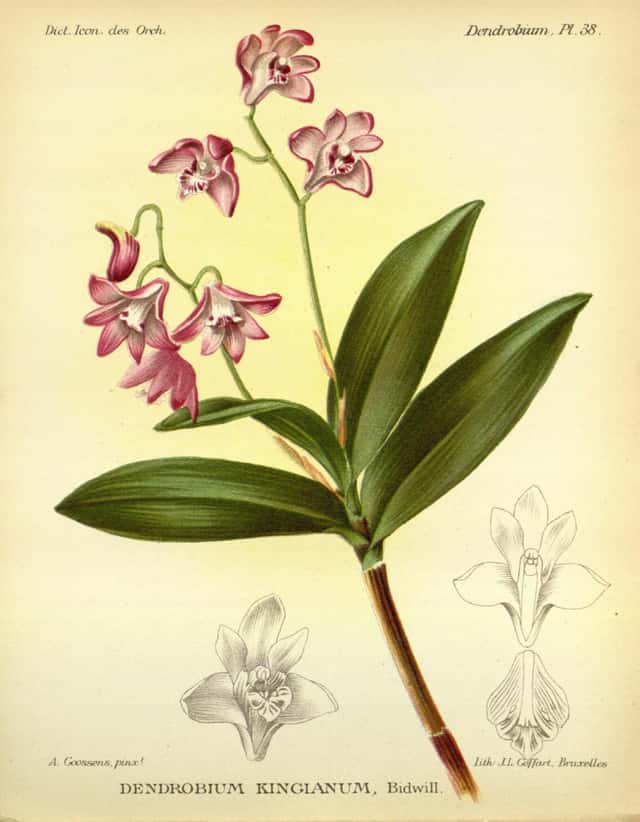
Dendrobium kingianum
Grow in a well-draining orchid bark or sphagnum moss mix in bright filtered light. Water weekly in summer and reduce to every 2–3 weeks in winter. Allow cool, dry winter conditions to trigger flowering. Fertilise fortnightly during the growing season.
Every 7 days
Bright indirect
5° - 35°C
50% - 70%
Categories
What is Pink Rock Orchid?
Pink Rock Orchid (Dendrobium kingianum) is a medium-care plant from the Orchidaceae family. Dendrobium kingianum, commonly known as the Pink Rock Orchid, is a native Australian orchid that grows naturally on rocky cliff faces and outcrops along the eastern coast. It produces clusters of delicate pink, white, or purple flowers from late winter to spring, making it one of the most beloved co...
Pink Rock Orchid grows up to 35cm, spread of 30cm, watering every 7 days, 5°C – 35°C, 50–70% humidity. It is suitable for indoor environments and safe for pets.
Unlike many popular species, Pink Rock Orchid is safe to keep around pets. Without adequate drainage, root rot can develop within 14 days.
How to Care for Pink Rock Orchid?
TLDR: Pink Rock Orchid needs Bright indirect, watering every 7 days, and temperatures between 5-35°C with 50-70% humidity.
How Often Should You Water Pink Rock Orchid?
Water thoroughly once a week in spring and summer when the medium is nearly dry. In autumn and winter, reduce to every 2–3 weeks to allow dormancy. Never let roots sit in standing water — root rot is a key risk with overwatering.
How Much Light Does Pink Rock Orchid Need?
Provide bright, filtered light — ideally 15,000–25,000 lux. A red tinge to leaves indicates ideal light levels; dark green leaves signal insufficient light. Morning sun or east-facing exposure is ideal. Avoid harsh midday direct sun.
What Is the Best Soil for Pink Rock Orchid?
Use a free-draining orchid medium such as fine pine bark, sphagnum moss, or a blend of both. Slightly acidic pH of 5.5–6.0 is ideal. Avoid heavy potting mixes that retain moisture.
What Pot Should You Use for Pink Rock Orchid?
Terra cotta or wooden orchid baskets are ideal as they allow excellent airflow and drainage. Slotted plastic pots are also suitable. Avoid large pots — Pink Rock Orchids flower better when slightly root-bound.
Care Schedule
Fertilize
Every 14 days
Repot
Every 730 days
What Is Pink Rock Orchid and Where Does It Come From?
Dendrobium kingianum, commonly known as the Pink Rock Orchid, is a native Australian orchid that grows naturally on rocky cliff faces and outcrops along the eastern coast. It produces clusters of delicate pink, white, or purple flowers from late winter to spring, making it one of the most beloved cool-growing orchids for Australian gardeners and collectors worldwide.
How to Propagate Pink Rock Orchid?
Division
Divide only when the plant is actively crowded. Use sterile tools to prevent disease spread. Do not divide plants with fewer than 6 pseudobulbs.
- 1 Wait until the orchid has finished flowering in spring
- 2 Remove the plant from its pot and gently separate clumps with at least 3–4 pseudobulbs each
- 3 Repot each division into a small pot with fresh orchid bark
- 4 Water lightly and keep in a warm, bright spot until new growth appears
Materials needed:
Keiki (Offset)
Keikis naturally form on pseudobulbs. Do not rush removal — wait for adequate root development.
- 1 Allow the keiki (plantlet) to develop at least 2–3 roots of 2–3 cm in length before removing
- 2 Cut the keiki from the parent stem with a sterile blade
- 3 Pot into a small container with fine orchid bark or sphagnum
- 4 Keep moist and humid until established
Materials needed:
How Big Does Pink Rock Orchid Grow?
TLDR: Pink Rock Orchid can reach up to 35cm tall with Slow growth rate.
Max height
35cm
Spread
30cm
Growth rate
Slow
Foliage
Evergreen
Plant Uses
Ornamental
Great for decoration
Is your plant showing symptoms?
Click on the symptom to discover possible causes:
What Diseases Commonly Affect Pink Rock Orchid?
TLDR: Pink Rock Orchid is susceptible to 12 known diseases. Monitor regularly for early detection.
Root Rot
Root rot is a serious fungal disease that affects the root system of plants, causing them to decay and die. It is primarily caused by overwatering, poor drainage, or soil-borne fungi such as Pythium, Phytophthora, Rhizoctonia, and Fusarium. The disease thrives in waterlogged conditions where roots are deprived of oxygen, making them susceptible to fungal infection.
Overwatering
Overwatering occurs when plants receive too much water, depriving roots of oxygen and causing root rot. This environmental stress is one of the most common causes of houseplant death, as waterlogged soil prevents roots from breathing and functioning properly.
Spider Mites
Spider mites are tiny arachnids (less than 1/20 inch long) related to spiders and ticks that feed on plant sap. They thrive in hot, dry conditions and can cause significant damage to ornamental and vegetable plants. During severe infestations, crop losses can reach 14% or higher as these pests disrupt vital plant processes including photosynthesis, carbon dioxide absorption, and transpiration.
Scale Insects
Scale insects are small sap-sucking pests that appear as brown, shell-like bumps on plant stems and leaves. There are over 25 species, divided into armored (hard) and unarmored (soft) scales. They feed by piercing plant tissue and extracting sap, which weakens the plant and can lead to yellowing, stunted growth, and even death if left untreated. They also excrete honeydew, which attracts ants and promotes sooty mold growth.
Meaning & Symbolism
The Pink Rock Orchid symbolises resilience and renewal, blooming on bare cliff faces in late winter as a herald of spring. It is a favourite emblem of Australian native plant enthusiasts.
Fun Facts
Dendrobium kingianum grows naturally on rocky cliff faces in eastern Australia, clinging to bare rock with minimal soil.
Its flowers are fragrant, especially in the morning, and the scent varies from plant to plant.
It is one of the most cold-tolerant Dendrobium species, surviving brief frosts down to 2°C.
Over 100 named cultivars and hybrids of Dendrobium kingianum have been registered by orchid enthusiasts worldwide.
Frequently asked questions
How often should I water my Pink Rock Orchid?
Why is my Pink Rock Orchid not flowering?
Is the Pink Rock Orchid toxic to pets?
What light does the Pink Rock Orchid need?
When should I repot my Pink Rock Orchid?
Compare with similar plants
| Attribute | Difficulty | Light | Watering | Pet Safe |
|---|---|---|---|---|
| Azalea | Medium | Partial shade | 3d | ⚠️ |
| Wild Lettuce | Medium | Direct sun | 7d | ⚠️ |
| Cape Primrose | Medium | Partial shade | 7d | ✓ |
| Honey Locust | Medium | Direct sun | 14d | ✓ |