Asteraceae
Little Pickles: Low Water Needs
Crassothonna capensis
This succulent is very low-maintenance, requiring bright light and infrequent watering. It is perfect for hanging baskets where its colorful stems can trail.
Every 14 days
Bright indirect
10° - 35°C
20% - 50%
Categories
What is Little Pickles?
Little Pickles (Crassothonna capensis) is a easy-care plant from the Asteraceae family. Crassothonna capensis, commonly known as Little Pickles or Ruby Necklace, is a fast-growing trailing succulent native to South Africa. It is characterized by its thin, reddish stems and fleshy, bean-shaped leaves. When exposed to bright sunlight, the foliage turns a vibrant ruby-purple color. It pro...
Little Pickles grows up to 15cm, spread of 60cm, watering every 14 days, 10°C – 35°C, 20–50% humidity. It is suitable for indoor environments and not safe for pets.
Unlike many tropical plants, Little Pickles tolerates watering mistakes. Best for beginners. Without precautions, ingestion can cause irritation in pets. Keep out of reach of cats and dogs. Without adequate drainage, root rot can develop within 28 days.
How to Care for Little Pickles?
TLDR: Little Pickles needs Bright indirect, watering every 14 days, and temperatures between 10-35°C with 20-50% humidity.
How Often Should You Water Little Pickles?
Use the 'soak and dry' method. Wait until the bean-like leaves feel slightly soft or look wrinkled before watering thoroughly.
How Much Light Does Little Pickles Need?
To achieve the best purple coloration, provide at least 6 hours of direct sunlight. In low light, the plant will stay green and grow leggy.
What Is the Best Soil for Little Pickles?
Use a specialized cactus and succulent mix with added perlite or pumice to ensure the roots never sit in water.
What Pot Should You Use for Little Pickles?
A hanging terracotta pot is ideal as it provides excellent drainage and allows the plant to trail naturally.
Care Schedule
Fertilize
Every 60 days
Rotate
Every 14 days
Repot
Every 730 days
What Is Little Pickles and Where Does It Come From?
Crassothonna capensis, commonly known as Little Pickles or Ruby Necklace, is a fast-growing trailing succulent native to South Africa. It is characterized by its thin, reddish stems and fleshy, bean-shaped leaves. When exposed to bright sunlight, the foliage turns a vibrant ruby-purple color. It produces cheerful, yellow daisy-like flowers on long stalks that can appear throughout the year.
How to Propagate Little Pickles?
Stem Cuttings
- Do not water the cutting for the first few days to prevent rot.
- Nodes that touch the soil will root very quickly.
- 1 Cut a Stem
Snip a healthy stem section at least 3-4 inches long using clean shears.
- 2 Callous
Let the cutting sit in a dry, shaded area for 24 hours to allow the cut end to callous over.
- 3 Plant
Place the calloused end into moist succulent soil or simply lay it on top of the soil.
Materials needed:
How Big Does Little Pickles Grow?
TLDR: Little Pickles can reach up to 15cm tall with Fast growth rate.
Max height
15cm
Spread
60cm
Growth rate
Fast
Foliage
Evergreen
Warning: Toxic Plant
This plant can be toxic if ingested. Keep out of reach of:
Plant Uses
Ornamental
Great for decoration
Is your plant showing symptoms?
Click on the symptom to discover possible causes:
Meaning & Symbolism
Often associated with resilience and adaptability due to its ability to thrive in rocky, arid environments.
Compare with similar plants
| Attribute | Difficulty | Light | Watering | Pet Safe |
|---|---|---|---|---|
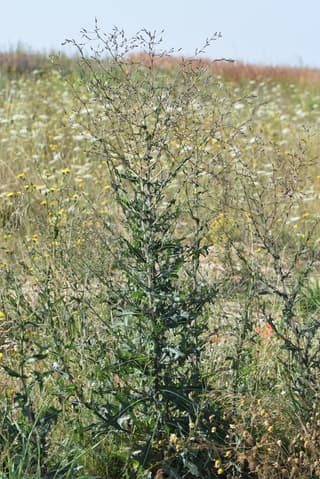
| Wild Lettuce | Medium | Direct sun | 7d | ⚠️ |
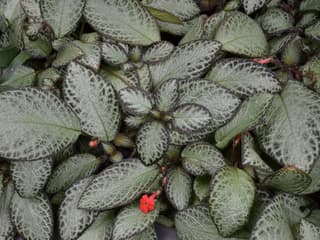
| Flame Violet | Easy | Partial shade | 7d | ✓ |
| Prickly Lettuce | Easy | Direct sun | 7d | ✓ |
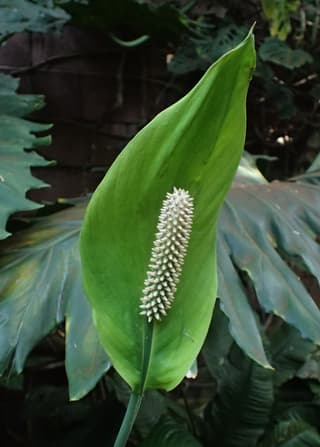
| Christmas Tree Plant | Easy | Bright indirect | 10d | ⚠️ |