Fabaceae
Sabia Mimosa (Mimosa caesalpiniifolia): Native Caatinga Tree
Mimosa caesalpiniifolia
Sabia mimosa is an exceptionally hardy, low-maintenance plant. It thrives in full sun and well-drained soils. Highly drought-resistant once established — plant in a well-drained spot and avoid overwatering. Fertilize with organic compost once per year. Light pruning after flowering helps maintain shape.
Every 14 days
Direct sun
10° - 38°C
40% - 70%
Categories
What is Sabia Mimosa?
Sabia Mimosa (Mimosa caesalpiniifolia) is a easy-care plant from the Fabaceae family. Mimosa caesalpiniifolia, known as sabiá or sansão-do-campo, is a native tree of the Brazilian Caatinga and Cerrado biomes, particularly from the Northeast region. Belonging to the Fabaceae family, this fast-growing species is prized for its hardiness, rapid growth, and multiple uses: ornamental, fod...
Sabia Mimosa grows up to 8.0m, with spread of 400cm, watering every 14 days, 10°C – 38°C, 40–70% humidity. It is not suitable for indoor environments and safe for pets.
Unlike many tropical plants, Sabia Mimosa tolerates watering mistakes. Best for beginners. Unlike many popular species, Sabia Mimosa is safe to keep around pets.
How to Care for Sabia Mimosa?
TLDR: Sabia Mimosa needs Direct sun, watering every 14 days, and temperatures between 10-38°C with 40-70% humidity.
How Often Should You Water Sabia Mimosa?
Plant in well-drained soil and avoid waterlogging. Once established, sabia mimosa is highly drought-tolerant and needs watering only every 14 days or less during dry spells. Young plants require more frequent watering during the first few months.
How Much Light Does Sabia Mimosa Need?
Requires full sun — at least 6 hours of direct sunlight per day. Native to hot, semi-arid climates; tolerates intense drought. Not suitable for indoor cultivation.
What Is the Best Soil for Sabia Mimosa?
Adapts to various soil types as long as they are well-drained. Thrives in sandy loam, red-yellow latosols, and clay soils. Does not tolerate waterlogged conditions. Ideal pH range: 5.5–7.0.
What Pot Should You Use for Sabia Mimosa?
Large terracotta or cement pots if container growing. For landscaping and living fences, direct ground planting is strongly recommended.
Care Schedule
Fertilize
Every 90 days
What Is Sabia Mimosa and Where Does It Come From?
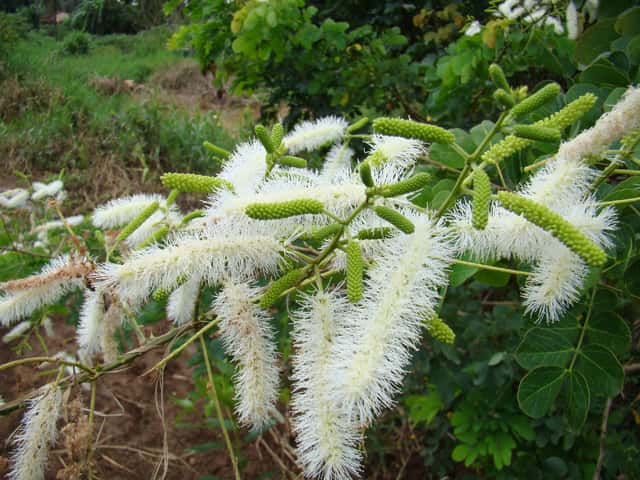
Mimosa caesalpiniifolia, known as sabiá or sansão-do-campo, is a native tree of the Brazilian Caatinga and Cerrado biomes, particularly from the Northeast region. Belonging to the Fabaceae family, this fast-growing species is prized for its hardiness, rapid growth, and multiple uses: ornamental, fodder, medicinal, and timber. Its thorny branches make it ideal for living fences, while its white-cream flowers attract pollinators, especially bees. The species is listed as Vulnerable on the IUCN Red List and is found exclusively in Brazil.
How to Propagate Sabia Mimosa?
Direct seeding
Scarification is essential as seeds have seed coat dormancy. Use well-draining substrates to prevent rotting.
- 1 Scarify seeds with fine sandpaper or soak in water for 24 hours to break dormancy
- 2 Sow in moist, well-drained substrate at 1-2 cm depth
- 3 Keep in a warm, sunny location; germination occurs in 7 to 20 days
- 4 Transplant to final location when seedling reaches 20-30 cm
Materials needed:
Stem cutting
Use growth regulators to increase rooting success rate. Avoid excess moisture to prevent rotting.
- 1 Cut semi-hardwood cuttings of 15-20 cm from healthy branches
- 2 Apply rooting hormone to the base of the cutting
- 3 Plant in sandy, moist substrate
- 4 Keep in partial shade until rooting occurs
Materials needed:
How Big Does Sabia Mimosa Grow?
TLDR: Sabia Mimosa can reach up to 8.0m tall with Fast growth rate.
Max height
8.0m
Spread
4.0m
Growth rate
Fast
Foliage
Deciduous
Plant Uses
Ornamental
Great for decoration
Medicinal
Medicinal properties
Medicinal Uses
- Inflorescence tea for hypertension treatment
- Bark infusion for bronchitis and cough
- Bark used for wound healing and anti-inflammatory purposes
- Leaf extract with antioxidant and antimicrobial activity confirmed by scientific research
Is your plant showing symptoms?
Click on the symptom to discover possible causes:
What Diseases Commonly Affect Sabia Mimosa?
TLDR: Sabia Mimosa is susceptible to 5 known diseases. Monitor regularly for early detection.
Mealybugs
Mealybugs are small, soft-bodied insects covered with a white, waxy, cottony material. They are common pests of houseplants and outdoor plants in mild climates. These sap-sucking insects feed on plant tissue, causing damage, stunted growth, and can lead to plant death if left untreated. They produce sticky honeydew which attracts sooty mold.
Thrips
Thrips are tiny cigar-shaped insects (1/25-inch long) that damage plants by sucking plant juices and scraping at fruits, flowers, and leaves. With over 6,000 species and rapid reproduction (lifecycle as short as 14 days), they can quickly infest plants and transmit viruses like tomato spotted wilt virus.
Scale Insects
Scale insects are small sap-sucking pests that appear as brown, shell-like bumps on plant stems and leaves. There are over 25 species, divided into armored (hard) and unarmored (soft) scales. They feed by piercing plant tissue and extracting sap, which weakens the plant and can lead to yellowing, stunted growth, and even death if left untreated. They also excrete honeydew, which attracts ants and promotes sooty mold growth.
Root Rot
Root rot is a serious fungal disease that affects the root system of plants, causing them to decay and die. It is primarily caused by overwatering, poor drainage, or soil-borne fungi such as Pythium, Phytophthora, Rhizoctonia, and Fusarium. The disease thrives in waterlogged conditions where roots are deprived of oxygen, making them susceptible to fungal infection.
Meaning & Symbolism
A symbol of resilience and strength of the Brazilian semi-arid nature. The sabia mimosa represents adaptation and survival in the face of the harsh Caatinga climate.
Fun Facts
Sabia mimosa can reach 4 meters in just 2 years, making it one of the fastest-growing trees in the Caatinga biome
Its flowers are an important nectar source for bees and it is used in beekeeping throughout Northeast Brazil
The species is classified as Vulnerable on the IUCN Red List and is found exclusively in Brazil
The thorny branches of sabia mimosa have been used for centuries to form natural, resistant living fences in the Brazilian sertão
Frequently asked questions
Does sabia mimosa need a lot of water?
Can I grow sabia mimosa in a pot?
Does sabia mimosa have thorns?
When does sabia mimosa flower?
Is sabia mimosa a medicinal plant?
Compare with similar plants
| Attribute | Difficulty | Light | Watering | Pet Safe |
|---|---|---|---|---|
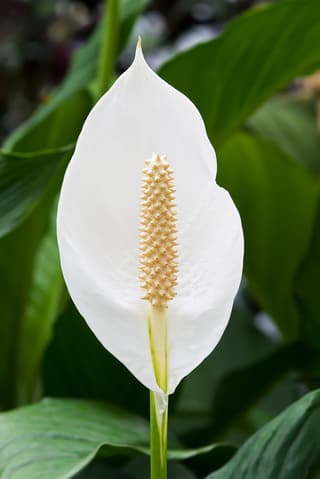
| Peace Lily | Easy | Low light | 4d | ⚠️ |
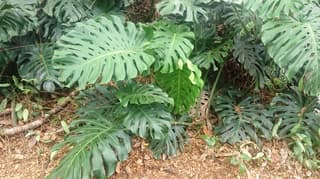
| Swiss Cheese Plant | Easy | Partial shade | 10d | ⚠️ |
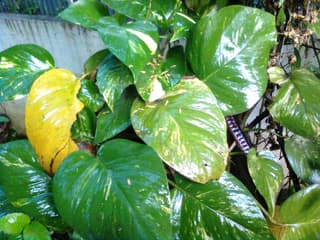
| Golden Pothos | Easy | Low light | 8d | ⚠️ |
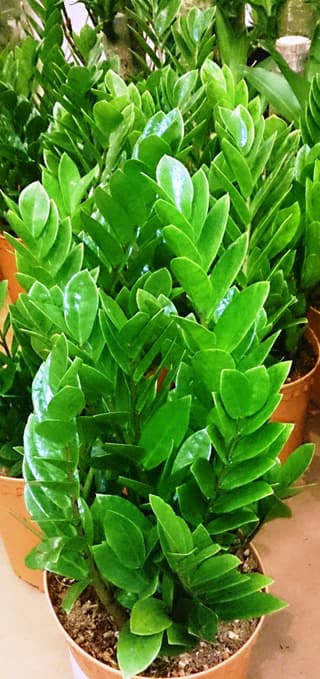
| ZZ Plant | Easy | Low light | 18d | ⚠️ |