Lamiaceae
Garden Sage (Salvia officinalis): Complete Growing & Care Guide
Salvia officinalis
Hardy and easy to grow. Thrives in full sun with moderate watering and well-drained sandy soil. Drought-tolerant and moderately frost-hardy. Regular pruning keeps the shrub compact and productive.
Every 7 days
Direct sun
-15° - 35°C
30% - 50%
Categories
What is Garden Sage?
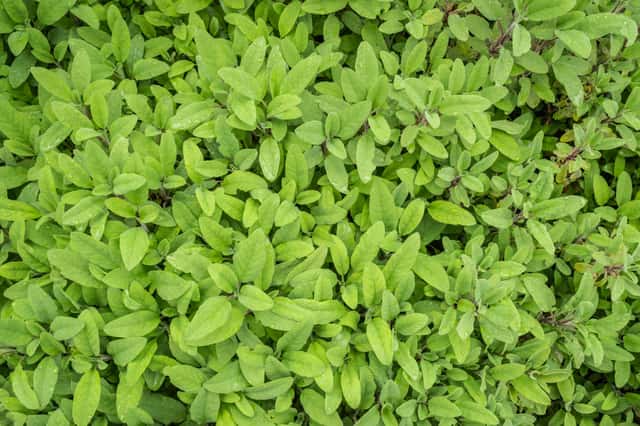
Garden Sage (Salvia officinalis) is a easy-care plant from the Lamiaceae family. Salvia officinalis, commonly known as Garden Sage or Common Sage, is a perennial aromatic herb native to the Mediterranean region. It features soft, gray-green velvety leaves and vibrant purple-blue flower spikes in summer. A staple in kitchens and apothecaries for over 2,000 years, it belongs to th...
Garden Sage grows up to 60cm, spread of 90cm, watering every 7 days, -15°C – 35°C, 30–50% humidity. It is suitable for indoor environments and safe for pets.
Unlike many tropical plants, Garden Sage tolerates watering mistakes. Best for beginners. Unlike many popular species, Garden Sage is safe to keep around pets. Without adequate drainage, root rot can develop within 14 days.
How to Care for Garden Sage?
TLDR: Garden Sage needs Direct sun, watering every 7 days, and temperatures between -15-35°C with 30-50% humidity.
How Often Should You Water Garden Sage?
Water every 7 days or when the top 2-3 cm of soil is dry. Avoid waterlogged soil — Garden Sage is highly susceptible to root rot from overwatering.
How Much Light Does Garden Sage Need?
Plant in full sun with at least 6 hours of direct sunlight daily. Adequate light is essential for vigorous growth and intense leaf flavor.
What Is the Best Soil for Garden Sage?
Use sandy or well-draining soil with pH 6.0–8.0. Amend with coarse sand to ensure good drainage. Avoid heavy clay soils.
What Pot Should You Use for Garden Sage?
Terracotta or clay pots are ideal as they promote better soil aeration and prevent waterlogging. Always use pots with generous drainage holes.
Care Schedule
Fertilize
Every 90 days
Repot
Every 730 days
What Is Garden Sage and Where Does It Come From?
Salvia officinalis, commonly known as Garden Sage or Common Sage, is a perennial aromatic herb native to the Mediterranean region. It features soft, gray-green velvety leaves and vibrant purple-blue flower spikes in summer. A staple in kitchens and apothecaries for over 2,000 years, it belongs to the Lamiaceae (mint) family.
How to Propagate Garden Sage?
Stem Cutting
Use clean, sterilized tools. Avoid direct sunlight until roots establish.
- 1 Cut a healthy stem 8-10 cm long, just below a node
- 2 Remove lower leaves, keeping 2-3 pairs at the top
- 3 Dip the base in rooting hormone powder
- 4 Plant in moist, well-draining medium
- 5 Keep in indirect light with slightly moist soil until rooted
Materials needed:
Seed Sowing
Germination is irregular. Sow extra seeds and thin out the weakest seedlings.
- 1 Sow seeds on the surface of moist seed-starting mix
- 2 Press gently — do not cover as seeds need light to germinate
- 3 Maintain temperature between 18-24°C
- 4 Transplant seedlings after 6-8 weeks
Materials needed:
How Big Does Garden Sage Grow?
TLDR: Garden Sage can reach up to 60cm tall with Medium growth rate.
Max height
60cm
Spread
90cm
Growth rate
Medium
Foliage
Evergreen
Plant Uses
Edible
Can be consumed
Medicinal
Medicinal properties
Aromatic
Pleasant fragrance
Ornamental
Great for decoration
Medicinal Uses
- Antiseptic
- Anti-inflammatory
- Digestive aid
- Soothes sore throat
- Reduces hot flashes in menopause
Culinary Uses
- Seasoning for meats (pork, chicken, lamb)
- Stuffings and dressings
- Herb butters
- Pasta and risotto
- Herbal teas and infusions
Is your plant showing symptoms?
Click on the symptom to discover possible causes:
What Diseases Commonly Affect Garden Sage?
TLDR: Garden Sage is susceptible to 10 known diseases. Monitor regularly for early detection.
Root Rot
Root rot is a serious fungal disease that affects the root system of plants, causing them to decay and die. It is primarily caused by overwatering, poor drainage, or soil-borne fungi such as Pythium, Phytophthora, Rhizoctonia, and Fusarium. The disease thrives in waterlogged conditions where roots are deprived of oxygen, making them susceptible to fungal infection.
Powdery Mildew
Powdery mildew is a common fungal disease caused by various fungi species including Erysiphe, Podosphaera, Oïdium, and Leveillula. It affects over 10,000 plant species worldwide. The disease thrives in warm, dry climates with high humidity and appears as a distinctive white powdery coating on plant surfaces.
Verticillium Wilt
Verticillium wilt is a soil-borne fungal disease caused primarily by the fungi Verticillium dahliae and V. albo-atrum. These pathogens infect plant roots and grow within the vascular tissues, blocking water and nutrient transport, resulting in wilting and eventual plant death. The disease affects over 350 plant species including vegetables, fruits, ornamental flowers, and trees. The fungi can survive in soil for more than 10 years as resistant structures called microsclerotia.
Gray Mold (Botrytis Blight)
Gray mold, caused by the fungus Botrytis cinerea, is one of the most common fungal diseases in plants. It affects over 200 plant species, including ornamentals, vegetables, fruits, and houseplants. The disease thrives in cool, humid conditions with poor air circulation, causing grayish spots and soft rot on infected tissues.
Meaning & Symbolism
Symbolizes wisdom, longevity, health, and purification. In folk tradition, growing sage in the garden brings protection and good health to the household.
Fun Facts
The Romans called sage 'herba sacra' (sacred herb) and used it in healing and protection rituals.
The name 'Salvia' comes from the Latin 'salvere', meaning 'to be healthy' — reflecting its long medicinal history.
Sage is one of the oldest plants used by humans, with cultivation records spanning over 2,000 years.
Its flowers are highly attractive to bees and butterflies, making it an excellent pollinator garden plant.
Frequently asked questions
How often should I water Garden Sage?
Can Garden Sage be grown in a pot?
When and how should I prune sage?
Is Garden Sage toxic to pets?
What are the main problems with sage?
Compare with similar plants
| Attribute | Difficulty | Light | Watering | Pet Safe |
|---|---|---|---|---|
| Small Scabious | Easy | Direct sun | 7d | ✓ |
| Field Maple | Easy | Bright indirect | 14d | ✓ |
| Silver Birch | Easy | Direct sun | 14d | ✓ |
| Red valerian | Easy | Direct sun | 10d | ✓ |



