Lamiaceae
Scarlet Sage: How to Grow and Care for Salvia splendens
Salvia splendens
Plant in full sun for best blooms. Water regularly keeping soil evenly moist but never waterlogged. Fertilize monthly with a balanced fertilizer. Deadhead spent blooms every 30 days to encourage continuous flowering.
Every 3 days
Bright indirect
10° - 35°C
40% - 70%
Categories
What is Scarlet Sage?
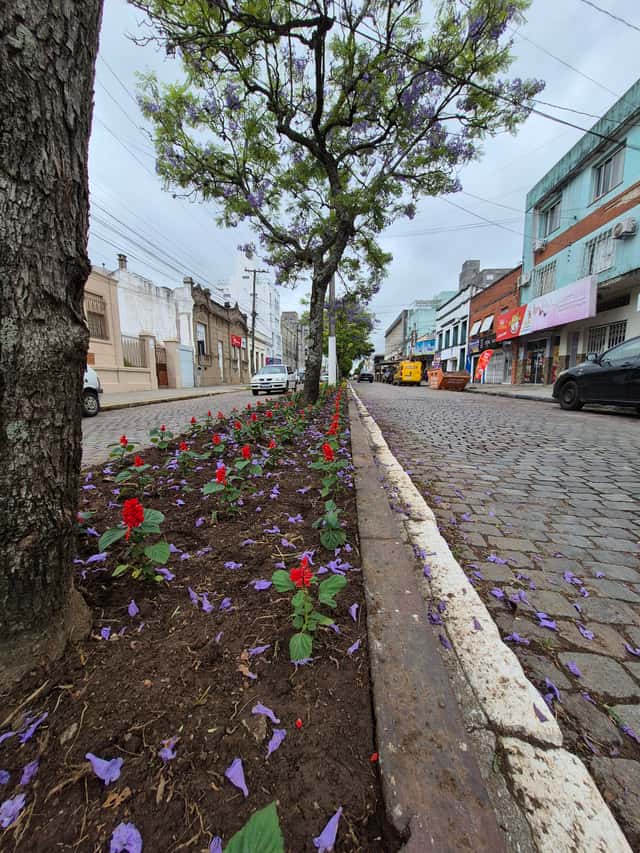
Scarlet Sage (Salvia splendens) is a easy-care plant from the Lamiaceae family. Salvia splendens, commonly known as Scarlet Sage, is a flowering ornamental plant native to Brazil. It is prized for its vibrant tubular flower spikes ranging from classic scarlet red to pink, purple, lavender, and white. Fast-growing and prolific, it blooms from late spring through frost, making it...
Scarlet Sage grows up to 60cm, with spread of 60cm, watering every 3 days, 10°C – 35°C, 40–70% humidity. It is suitable for indoor environments and safe for pets.
Unlike many tropical plants, Scarlet Sage tolerates watering mistakes. Best for beginners. Unlike many popular species, Scarlet Sage is safe to keep around pets. Without adequate drainage, root rot can develop within 7 days.
How to Care for Scarlet Sage?
TLDR: Scarlet Sage needs Bright indirect, watering every 3 days, and temperatures between 10-35°C with 40-70% humidity.
How Often Should You Water Scarlet Sage?
Water every 2-3 days, keeping soil consistently moist. During heat waves, water more frequently. Avoid wetting foliage and flowers directly to prevent fungal diseases. Allow the top inch of soil to guide watering.
How Much Light Does Scarlet Sage Need?
Thrives in full sun (6-8 hours daily), which produces the most intense flower colors and strongest stems. Tolerates partial shade but with reduced blooming. Avoid deep shade.
What Is the Best Soil for Scarlet Sage?
Use fertile, humus-rich, well-draining soil. Amend with organic compost. Maintain pH between 6.0-7.0 for optimal nutrient uptake. Avoid clay-heavy or compacted soils.
What Pot Should You Use for Scarlet Sage?
Terracotta or ceramic pots with drainage holes are ideal. Minimum 20 cm diameter pot. In garden beds, space plants 30-40 cm apart for good airflow.
Care Schedule
Fertilize
Every 30 days
Repot
Every 365 days
What Is Scarlet Sage and Where Does It Come From?
Salvia splendens, commonly known as Scarlet Sage, is a flowering ornamental plant native to Brazil. It is prized for its vibrant tubular flower spikes ranging from classic scarlet red to pink, purple, lavender, and white. Fast-growing and prolific, it blooms from late spring through frost, making it a garden staple worldwide.
How to Propagate Scarlet Sage?
Seed Sowing
Start seeds indoors 6-8 weeks before the last frost date. Maintain 20-25°C for best germination rates.
- 1 Sow seeds in trays filled with moist, well-draining seed mix
- 2 Cover lightly with a thin layer of substrate
- 3 Keep in a warm location with indirect light until germination
- 4 Transplant seedlings when they have 4-6 true leaves
Materials needed:
Stem Cutting
Cuttings preserve cultivar characteristics perfectly. Use sterilized tools to prevent disease transmission.
- 1 Take 8-10 cm cuttings with 2-3 pairs of leaves
- 2 Remove lower leaves and dip in rooting hormone
- 3 Insert into moist substrate and keep in a shaded location
- 4 Water lightly and wait for rooting
Materials needed:
How Big Does Scarlet Sage Grow?
TLDR: Scarlet Sage can reach up to 60cm tall with Fast growth rate.
Max height
60cm
Spread
60cm
Growth rate
Fast
Foliage
Evergreen
Plant Uses
Ornamental
Great for decoration
Is your plant showing symptoms?
Click on the symptom to discover possible causes:
What Diseases Commonly Affect Scarlet Sage?
TLDR: Scarlet Sage is susceptible to 8 known diseases. Monitor regularly for early detection.
Powdery Mildew
Powdery mildew is a common fungal disease caused by various fungi species including Erysiphe, Podosphaera, Oïdium, and Leveillula. It affects over 10,000 plant species worldwide. The disease thrives in warm, dry climates with high humidity and appears as a distinctive white powdery coating on plant surfaces.
Root Rot
Root rot is a serious fungal disease that affects the root system of plants, causing them to decay and die. It is primarily caused by overwatering, poor drainage, or soil-borne fungi such as Pythium, Phytophthora, Rhizoctonia, and Fusarium. The disease thrives in waterlogged conditions where roots are deprived of oxygen, making them susceptible to fungal infection.
Gray Mold (Botrytis Blight)
Gray mold, caused by the fungus Botrytis cinerea, is one of the most common fungal diseases in plants. It affects over 200 plant species, including ornamentals, vegetables, fruits, and houseplants. The disease thrives in cool, humid conditions with poor air circulation, causing grayish spots and soft rot on infected tissues.
Damping Off
Damping off is a soil-borne fungal disease that affects seeds and young seedlings, causing rotting of stem and root tissues at and below the soil line. It is caused by several fungi including Pythium, Rhizoctonia, Fusarium, and Phytophthora. The disease thrives in cold, wet conditions with poor air circulation.
Meaning & Symbolism
Symbol of passion, energy, and vibrant life. The scarlet red flowers have long been associated with enthusiasm and determination in Brazilian folk tradition.
Fun Facts
Native to Brazil, naturally found in the state of Minas Gerais
Can bloom continuously for up to 9 months in tropical climates
There are over 900 cultivars of Salvia splendens in varied colors
Its flowers are a key nectar source for hummingbirds and butterflies
Frequently asked questions
How often should I water Scarlet Sage?
Does Scarlet Sage need full sun?
Is Salvia splendens toxic to pets?
When and how should I prune Scarlet Sage?
What is the best pot for Scarlet Sage?
Compare with similar plants
| Attribute | Difficulty | Light | Watering | Pet Safe |
|---|---|---|---|---|
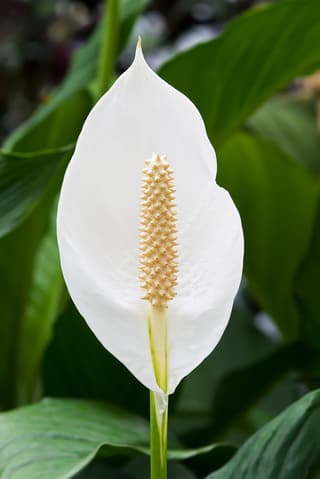
| Peace Lily | Easy | Low light | 4d | ⚠️ |
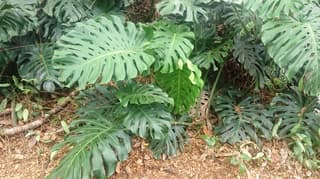
| Swiss Cheese Plant | Easy | Partial shade | 10d | ⚠️ |
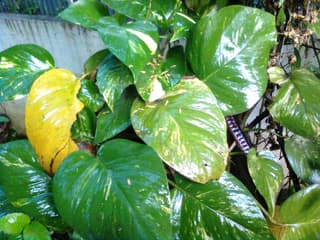
| Golden Pothos | Easy | Low light | 8d | ⚠️ |
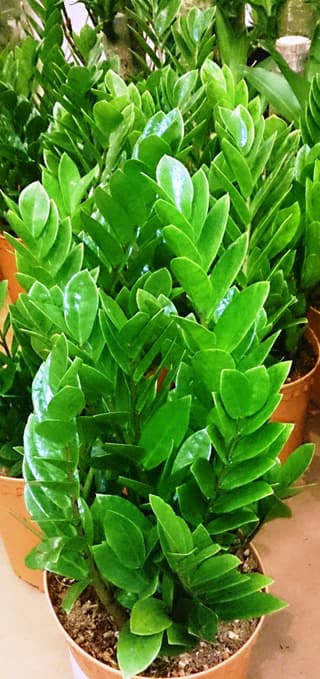
| ZZ Plant | Easy | Low light | 18d | ⚠️ |