Cyatheaceae
Asian Tree Fern (Gymnosphaera podophylla)
Gymnosphaera podophylla
The Asian Tree Fern thrives in consistently moist, humid conditions with bright indirect light. It requires regular watering — about every 3 days — and high humidity. Avoid direct sun, waterlogged soil, and dry indoor air. Best suited to shaded gardens, conservatories, or large indoor spaces with humidity control.
Every 3 days
Partial shade
5° - 28°C
60% - 90%
Categories
What is Asian Tree Fern?
Asian Tree Fern (Gymnosphaera podophylla) is a hard-care plant from the Cyatheaceae family. Gymnosphaera podophylla, also known as Alsophila podophylla or Cyathea podophylla, is a trunk-forming tree fern native to Southeast Asia, southern China, Taiwan, Japan, and the Ryukyu Islands. It grows in shaded forest understories, along streams and in ravines at elevations of 600–1000 m. This dwar...
Asian Tree Fern grows up to 1.8m, spread of 150cm, watering every 3 days, 5°C – 28°C, 60–90% humidity. It is suitable for indoor environments and safe for pets.
Unlike easy-care plants, Asian Tree Fern demands constant attention to humidity and light. Not recommended for beginners. Unlike many popular species, Asian Tree Fern is safe to keep around pets. Without adequate drainage, root rot can develop within 7 days.
How to Care for Asian Tree Fern?
TLDR: Asian Tree Fern needs Partial shade, watering every 3 days, and temperatures between 5-28°C with 60-90% humidity.
How Often Should You Water Asian Tree Fern?
Water every 2–3 days to keep soil consistently moist but never waterlogged. Pour water at the base of the plant — avoid wetting the crown, as this can cause crown rot. In hot or dry periods, increase frequency slightly.
How Much Light Does Asian Tree Fern Need?
Place in bright indirect light or dappled shade, mimicking its natural forest understory habitat. Avoid direct midday sun, which can scorch fronds. An east- or north-facing position is ideal indoors.
What Is the Best Soil for Asian Tree Fern?
Use a rich, moisture-retentive but well-draining organic mix, such as a blend of peat, perlite, and leaf mold. Keep pH between 4.5 and 6.5. Repot every 2 years as the plant grows slowly.
What Pot Should You Use for Asian Tree Fern?
A large, decorative pot with drainage holes is essential. Terracotta or breathable ceramic pots work well to regulate moisture. Choose a wide, deep container to accommodate the spreading root system.
Care Schedule
Fertilize
Every 30 days
Misting
Every 3 days
Repot
Every 730 days
What Is Asian Tree Fern and Where Does It Come From?
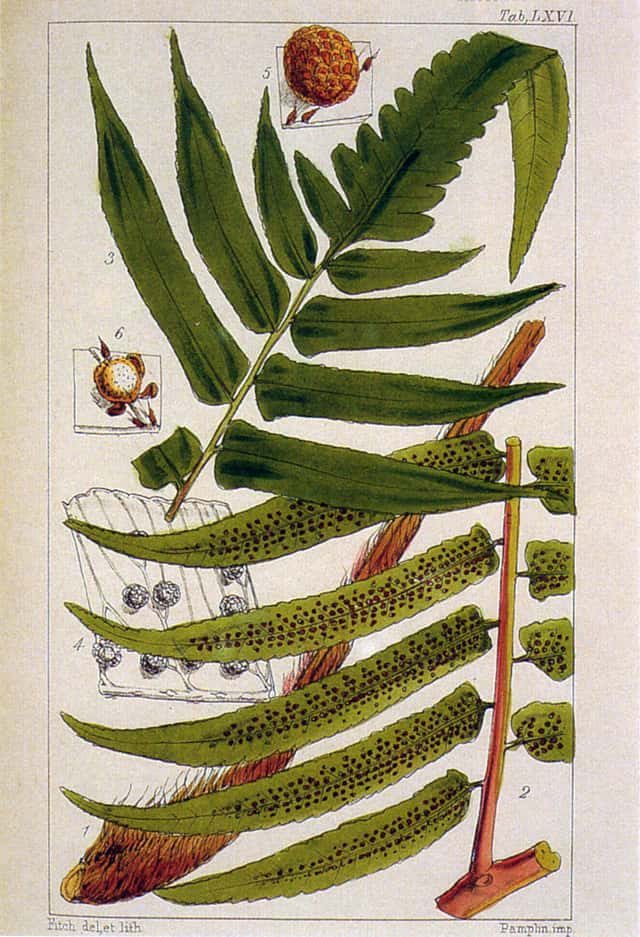
Gymnosphaera podophylla, also known as Alsophila podophylla or Cyathea podophylla, is a trunk-forming tree fern native to Southeast Asia, southern China, Taiwan, Japan, and the Ryukyu Islands. It grows in shaded forest understories, along streams and in ravines at elevations of 600–1000 m. This dwarf tree fern develops a distinctive trunk adorned with warty, dark purple-polished old frond bases and attractive bipinnate fronds, reaching up to 1.8 m in height.
How to Propagate Asian Tree Fern?
Spore propagation
Patience is essential — spore germination is slow and requires strict humidity. Sterilize all materials to avoid fungal contamination.
- 1 Collect mature brown spore cases (sori) from the underside of fronds
- 2 Dust spores onto moist sterilized peat or sphagnum moss in a covered tray
- 3 Keep in a humid environment at 20–25°C with indirect light
- 4 Mist regularly and avoid drying out
- 5 Transplant small prothalli once established
Materials needed:
How Big Does Asian Tree Fern Grow?
TLDR: Asian Tree Fern can reach up to 1.8m tall with Slow growth rate.
Max height
1.8m
Spread
1.5m
Growth rate
Slow
Foliage
Evergreen
Plant Uses
Ornamental
Great for decoration
Is your plant showing symptoms?
Click on the symptom to discover possible causes:
What Diseases Commonly Affect Asian Tree Fern?
TLDR: Asian Tree Fern is susceptible to 6 known diseases. Monitor regularly for early detection.
Root Rot
Root rot is a serious fungal disease that affects the root system of plants, causing them to decay and die. It is primarily caused by overwatering, poor drainage, or soil-borne fungi such as Pythium, Phytophthora, Rhizoctonia, and Fusarium. The disease thrives in waterlogged conditions where roots are deprived of oxygen, making them susceptible to fungal infection.
Crown Rot
Crown rot is a serious fungal disease that attacks the crown (base) of the plant where the stem meets the soil. It is caused by various fungal pathogens including Phytophthora, Fusarium, and Rhizoctonia. The disease thrives in waterlogged conditions and can quickly spread to kill the entire plant if not addressed promptly.
Scale Insects
Scale insects are small sap-sucking pests that appear as brown, shell-like bumps on plant stems and leaves. There are over 25 species, divided into armored (hard) and unarmored (soft) scales. They feed by piercing plant tissue and extracting sap, which weakens the plant and can lead to yellowing, stunted growth, and even death if left untreated. They also excrete honeydew, which attracts ants and promotes sooty mold growth.
Mealybugs
Mealybugs are small, soft-bodied insects covered with a white, waxy, cottony material. They are common pests of houseplants and outdoor plants in mild climates. These sap-sucking insects feed on plant tissue, causing damage, stunted growth, and can lead to plant death if left untreated. They produce sticky honeydew which attracts sooty mold.
Fun Facts
It is classified under three different genera — Gymnosphaera, Alsophila, and Cyathea — reflecting decades of botanical debate over tree fern taxonomy.
Its trunk is decorated with distinctive warty, dark purple-polished bases of old fronds, giving it an ornamental appeal even when not in full leaf.
In the wild, it grows along forest streams and ravines at 600–1000 m elevation across Southeast Asia, China, Taiwan, and Japan.
As a dwarf tree fern, it grows initially quickly then slows considerably, making it suitable for long-term container cultivation.
Frequently asked questions
How often should I water the Asian Tree Fern?
Can Gymnosphaera podophylla grow indoors?
What is the difference between Gymnosphaera podophylla and Alsophila podophylla?
How big does the Asian Tree Fern get?
What are common problems with the Asian Tree Fern?
Compare with similar plants
| Attribute | Difficulty | Light | Watering | Pet Safe |
|---|---|---|---|---|
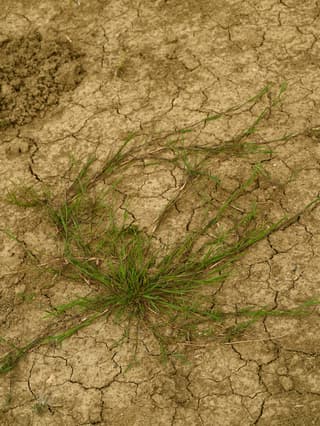
| Creeping bentgrass | Hard | Direct sun | 3d | ✓ |
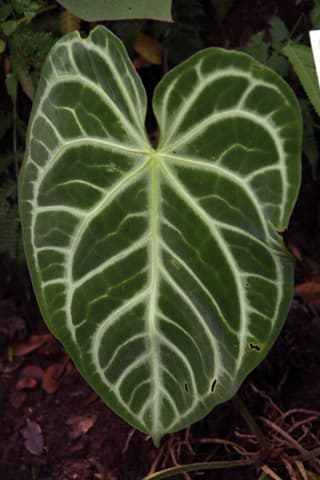
| Crystal Anthurium | Hard | Partial shade | 7d | ⚠️ |
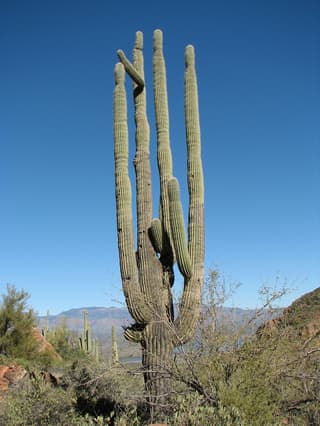
| Saguaro | Hard | Direct sun | 21d | ✓ |
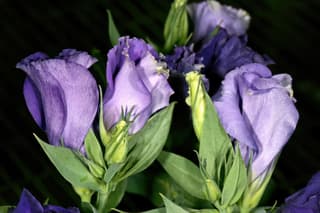
| Lisianthus | Hard | Bright indirect | 7d | ✓ |