Dryopteridaceae
Japanese Holly Fern Care Guide
Cyrtomium falcatum
An easy-care fern that thrives in shade to partial shade with consistent moisture. Water when the top inch of soil dries out and maintain moderate to high humidity. Tolerant of a wide range of temperatures and soil types, making it one of the hardiest ferns available.
Every 7 days
Low light
4° - 30°C
50% - 70%
Categories
What is Japanese Holly Fern?
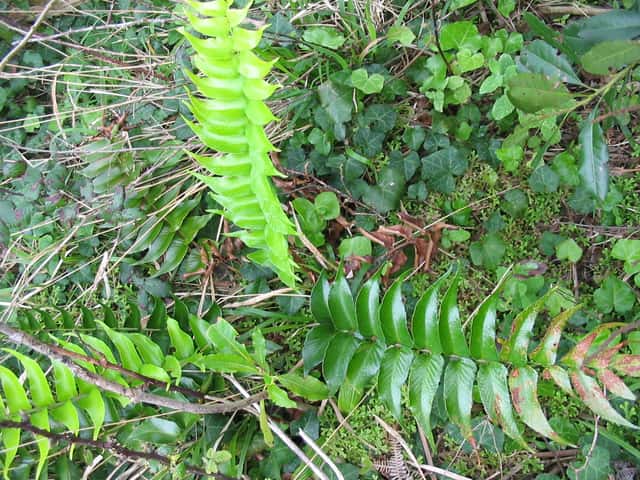
Japanese Holly Fern (Cyrtomium falcatum) is a easy-care plant from the Dryopteridaceae family. Cyrtomium falcatum is an elegant evergreen fern native to East Asia, prized for its glossy, dark green, leathery fronds that resemble holly leaves. It forms dense, vase-shaped clumps and is one of the most adaptable and resilient ferns for both indoor and outdoor cultivation. Its sickle-shaped pinna...
Japanese Holly Fern grows up to 60cm, with spread of 90cm, watering every 7 days, 4°C – 30°C, 50–70% humidity. It is suitable for indoor environments and safe for pets.
Unlike many tropical plants, Japanese Holly Fern tolerates watering mistakes. Best for beginners. Unlike many popular species, Japanese Holly Fern is safe to keep around pets. Without adequate drainage, root rot can develop within 14 days.
How to Care for Japanese Holly Fern?
TLDR: Japanese Holly Fern needs Low light, watering every 7 days, and temperatures between 4-30°C with 50-70% humidity.
How Often Should You Water Japanese Holly Fern?
Water when the top 2 cm of soil feels dry. Keep soil evenly moist but never waterlogged — Holly Fern is sensitive to overwatering, which can cause root rot. Reduce watering in winter.
How Much Light Does Japanese Holly Fern Need?
Prefers partial shade to full shade. Avoid direct sunlight, which scorches the fronds. Tolerates deep shade for short periods, but grows best with bright, indirect light or dappled sunlight.
What Is the Best Soil for Japanese Holly Fern?
Use well-draining, humus-rich soil. A mix of peat, perlite, and compost works well. Tolerates a wide pH range from slightly acidic to slightly alkaline. Good drainage is essential to prevent root rot.
What Pot Should You Use for Japanese Holly Fern?
Choose a wide, shallow pot with good drainage holes. Terracotta or ceramic pots work well as they allow air circulation to the roots. Ensure the pot is slightly larger than the root ball.
Care Schedule
Fertilize
Every 30 days
Misting
Every 3 days
Repot
Every 730 days
What Is Japanese Holly Fern and Where Does It Come From?
Cyrtomium falcatum is an elegant evergreen fern native to East Asia, prized for its glossy, dark green, leathery fronds that resemble holly leaves. It forms dense, vase-shaped clumps and is one of the most adaptable and resilient ferns for both indoor and outdoor cultivation. Its sickle-shaped pinnae give it a bold, architectural appearance that stands out among other ferns.
How to Propagate Japanese Holly Fern?
Division
Best done in spring when new growth begins. Keep divisions well-watered for the first few weeks.
- 1 Remove the plant from its pot and gently shake off excess soil
- 2 Identify natural divisions in the rhizome clump
- 3 Separate sections ensuring each has at least 2-3 fronds and healthy roots
- 4 Plant each division in moist, well-draining soil
- 5 Keep in shade and maintain consistent moisture until established
Materials needed:
Spore propagation
Spore propagation is very slow and requires patience. Maintain sterile conditions to prevent mold growth.
- 1 Collect mature fronds with visible brown spore clusters on the underside
- 2 Place frond spore-side down on moist sterile peat moss
- 3 Cover with plastic wrap to maintain humidity
- 4 Keep in warm, indirect light at around 20-24 degrees Celsius
- 5 Mist regularly and wait for tiny green growth to appear
- 6 Transplant when small ferns are large enough to handle
Materials needed:
How Big Does Japanese Holly Fern Grow?
TLDR: Japanese Holly Fern can reach up to 60cm tall with Slow growth rate.
Max height
60cm
Spread
90cm
Growth rate
Slow
Foliage
Evergreen
Plant Uses
Ornamental
Great for decoration
Is your plant showing symptoms?
Click on the symptom to discover possible causes:
What Diseases Commonly Affect Japanese Holly Fern?
TLDR: Japanese Holly Fern is susceptible to 7 known diseases. Monitor regularly for early detection.
Root Rot
Root rot is a serious fungal disease that affects the root system of plants, causing them to decay and die. It is primarily caused by overwatering, poor drainage, or soil-borne fungi such as Pythium, Phytophthora, Rhizoctonia, and Fusarium. The disease thrives in waterlogged conditions where roots are deprived of oxygen, making them susceptible to fungal infection.
Leaf Spot
Leaf spot is a common fungal disease caused by various pathogens including Alternaria, Ascochyta, Colletotrichum, Septoria, and Venturia. It primarily affects leaves, causing discolored spots that can lead to premature leaf drop if left untreated.
Scale Insects
Scale insects are small sap-sucking pests that appear as brown, shell-like bumps on plant stems and leaves. There are over 25 species, divided into armored (hard) and unarmored (soft) scales. They feed by piercing plant tissue and extracting sap, which weakens the plant and can lead to yellowing, stunted growth, and even death if left untreated. They also excrete honeydew, which attracts ants and promotes sooty mold growth.
Mealybugs
Mealybugs are small, soft-bodied insects covered with a white, waxy, cottony material. They are common pests of houseplants and outdoor plants in mild climates. These sap-sucking insects feed on plant tissue, causing damage, stunted growth, and can lead to plant death if left untreated. They produce sticky honeydew which attracts sooty mold.
Meaning & Symbolism
Resilience and protection, due to its tough, holly-like fronds that endure harsh conditions
Fun Facts
One of the most cold-hardy ferns, surviving temperatures down to -12°C in USDA zone 6
Gets its common name from the sickle-shaped pinnae that resemble holly leaves
Can live for decades when well cared for, forming impressive clumps over time
Considered mildly invasive in parts of the southeastern United States due to its prolific spore production
Frequently asked questions
How often should I water a Japanese Holly Fern?
Can Japanese Holly Fern grow indoors?
Is Japanese Holly Fern toxic to pets?
Why are my Holly Fern fronds turning brown?
Compare with similar plants
| Attribute | Difficulty | Light | Watering | Pet Safe |
|---|---|---|---|---|
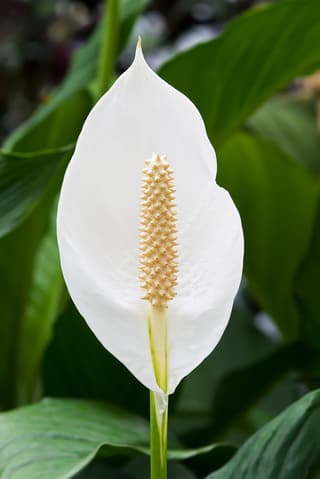
| Peace Lily | Easy | Low light | 4d | ⚠️ |
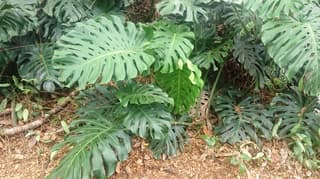
| Swiss Cheese Plant | Easy | Partial shade | 10d | ⚠️ |
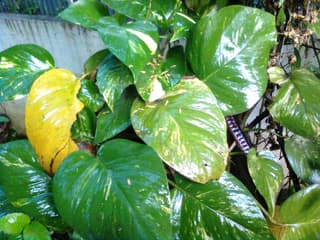
| Golden Pothos | Easy | Low light | 8d | ⚠️ |
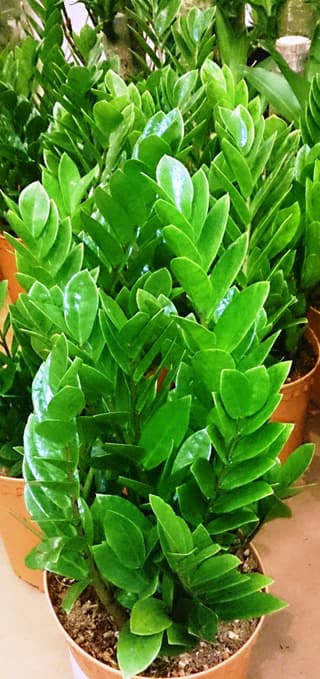
| ZZ Plant | Easy | Low light | 18d | ⚠️ |