Asteraceae
Lavender Cotton (Santolina chamaecyparissus)
Santolina chamaecyparissus
Lavender Cotton is an extremely low-maintenance plant. Water sparingly once established — it thrives in dry conditions and is highly drought tolerant. Plant in full sun with excellent drainage. Prune hard twice yearly (mid-spring and after flowering) to maintain its compact shape. No fertilizing needed in poor soils.
Every 14 days
Direct sun
-18° - 38°C
30% - 50%
Categories
What is Lavender Cotton?
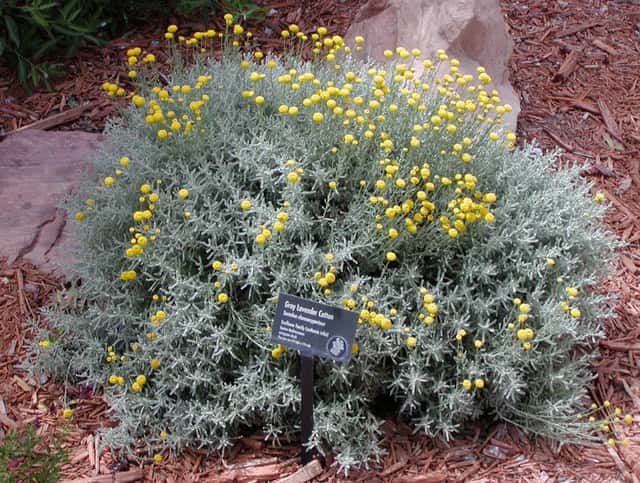
Lavender Cotton (Santolina chamaecyparissus) is a easy-care plant from the Asteraceae family. Santolina chamaecyparissus, commonly known as Lavender Cotton, is a compact, evergreen aromatic shrub native to the Mediterranean basin. It forms dense, rounded mounds of silvery-gray, finely textured foliage that releases a pleasant herbal fragrance when touched. In summer, it produces cheerful bri...
Lavender Cotton grows up to 60cm, with spread of 90cm, watering every 14 days, -18°C – 38°C, 30–50% humidity. It is not suitable for indoor environments and not safe for pets.
Unlike many tropical plants, Lavender Cotton tolerates watering mistakes. Best for beginners. Without precautions, ingestion can cause irritation in pets. Keep out of reach of cats and dogs.
How to Care for Lavender Cotton?
TLDR: Lavender Cotton needs Direct sun, watering every 14 days, and temperatures between -18-38°C with 30-50% humidity.
How Often Should You Water Lavender Cotton?
Water established plants only every 2 weeks or less, or only during prolonged dry spells. Overwatering is the number one cause of failure — always let the soil dry completely between waterings. Young plants need weekly watering to establish roots.
How Much Light Does Lavender Cotton Need?
Requires full sun for at least 6 hours daily for dense, compact growth and the best silver foliage color. In partial shade, the plant becomes leggy and open. Ideal for south-facing beds or open borders.
What Is the Best Soil for Lavender Cotton?
Use lean, well-draining, sandy or gravelly soil. Avoid rich or heavy clay soils, which retain moisture and cause root rot. Adding grit or coarse sand to heavier soils greatly improves drainage and plant health.
What Pot Should You Use for Lavender Cotton?
Terracotta or unglazed clay pots are ideal as they allow moisture to evaporate, preventing root rot. Ensure pots have large drainage holes. Avoid plastic pots which retain too much moisture.
Care Schedule
Fertilize
Every 90 days
Repot
Every 730 days
What Is Lavender Cotton and Where Does It Come From?
Santolina chamaecyparissus, commonly known as Lavender Cotton, is a compact, evergreen aromatic shrub native to the Mediterranean basin. It forms dense, rounded mounds of silvery-gray, finely textured foliage that releases a pleasant herbal fragrance when touched. In summer, it produces cheerful bright yellow, button-like flower heads on slender upright stems. Highly valued for its drought tolerance, deer resistance, and ability to thrive in poor, dry soils, it is a staple of Mediterranean, rock, and xeriscape gardens.
How to Propagate Lavender Cotton?
Semi-ripe Stem Cutting
Take cuttings in late summer after flowering. Avoid overwatering the cutting medium — barely moist is ideal.
- 1 Take a 7-10 cm semi-ripe cutting from a healthy, non-flowering stem
- 2 Remove lower leaves, leaving only the top 2-3 leaf clusters
- 3 Dip the cut end in rooting hormone powder
- 4 Insert into a pot with equal parts perlite and compost
- 5 Keep moist and in bright indirect light until rooted
Materials needed:
Seed Propagation
Seeds may be slow and variable. Cuttings give faster, more reliable results.
- 1 Sow seeds in spring in well-draining seed compost
- 2 Lightly cover seeds and keep at 18-21°C
- 3 Germination takes 2-3 weeks
- 4 Transplant seedlings when large enough to handle
Materials needed:
How Big Does Lavender Cotton Grow?
TLDR: Lavender Cotton can reach up to 60cm tall with Fast growth rate.
Max height
60cm
Spread
90cm
Growth rate
Fast
Foliage
Evergreen
Warning: Toxic Plant
This plant can be toxic if ingested. Keep out of reach of:
Plant Uses
Ornamental
Great for decoration
Aromatic
Pleasant fragrance
Medicinal
Medicinal properties
Ground Cover
Soil coverage
Medicinal Uses
- Traditionally used as an insect repellent and in herbal medicine for digestive complaints
- Essential oils used in perfumery and aromatherapy
- Dried stems used in sachets to repel moths
Is your plant showing symptoms?
Click on the symptom to discover possible causes:
What Diseases Commonly Affect Lavender Cotton?
TLDR: Lavender Cotton is susceptible to 6 known diseases. Monitor regularly for early detection.
Root Rot
Root rot is a serious fungal disease that affects the root system of plants, causing them to decay and die. It is primarily caused by overwatering, poor drainage, or soil-borne fungi such as Pythium, Phytophthora, Rhizoctonia, and Fusarium. The disease thrives in waterlogged conditions where roots are deprived of oxygen, making them susceptible to fungal infection.
Crown Rot
Crown rot is a serious fungal disease that attacks the crown (base) of the plant where the stem meets the soil. It is caused by various fungal pathogens including Phytophthora, Fusarium, and Rhizoctonia. The disease thrives in waterlogged conditions and can quickly spread to kill the entire plant if not addressed promptly.
Powdery Mildew
Powdery mildew is a common fungal disease caused by various fungi species including Erysiphe, Podosphaera, Oïdium, and Leveillula. It affects over 10,000 plant species worldwide. The disease thrives in warm, dry climates with high humidity and appears as a distinctive white powdery coating on plant surfaces.
Aphids
Aphids are small, soft-bodied, pear-shaped insects (1/16 to 1/8 inch long) that feed by sucking nutrient-rich sap from plants. They reproduce rapidly and can quickly weaken plants, causing distorted growth and transmitting plant viruses. Aphids come in various colors including green, black, red, yellow, brown, and gray. They secrete honeydew, a sticky substance that attracts ants and encourages sooty mold growth.
Meaning & Symbolism
In Mediterranean traditions, Santolina symbolized protection and purification. It was placed in wardrobes and linen chests to repel moths and insects, and used in herb gardens as a symbol of endurance and resilience.
Fun Facts
Its strongly aromatic silvery foliage has been used for centuries in Mediterranean households to repel moths and insects from stored fabrics.
Despite its common name 'Lavender Cotton', Santolina is not related to lavender — it belongs to the daisy family (Asteraceae).
Santolina chamaecyparissus is extremely drought-tolerant and can survive on rainfall alone once established in Mediterranean climates.
The plant was a key component of traditional knot gardens in English formal gardens during the 16th and 17th centuries.
Frequently asked questions
How often should I water Lavender Cotton?
Does Santolina chamaecyparissus need pruning?
Is Lavender Cotton toxic to pets?
Can Lavender Cotton grow in poor soil?
When does Lavender Cotton bloom?
Compare with similar plants
| Attribute | Difficulty | Light | Watering | Pet Safe |
|---|---|---|---|---|
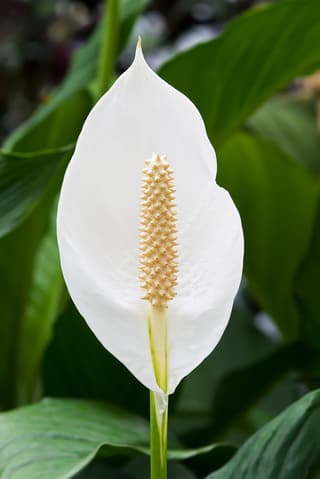
| Peace Lily | Easy | Low light | 4d | ⚠️ |
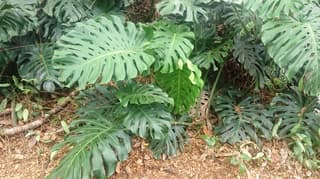
| Swiss Cheese Plant | Easy | Partial shade | 10d | ⚠️ |
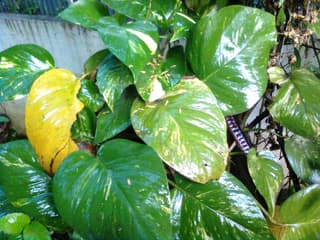
| Golden Pothos | Easy | Low light | 8d | ⚠️ |
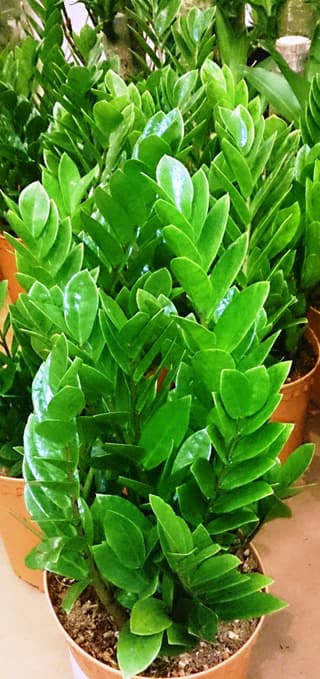
| ZZ Plant | Easy | Low light | 18d | ⚠️ |