Ebenaceae
Black Sapote (Diospyros nigra): Everything You Need to Know
Diospyros nigra
Black Sapote thrives in full sun with well-drained, organically rich soil and moderate, deep watering. It is frost-sensitive and best suited to warm tropical or subtropical climates (USDA zones 10–12). Established trees are relatively drought-tolerant and low-maintenance, requiring mainly seasonal watering and occasional pruning.
Every 10 days
Direct sun
-2° - 40°C
60% - 90%
Categories
What is Black Sapote?
Black Sapote (Diospyros nigra) is a hard-care plant from the Ebenaceae family. Black Sapote (Diospyros nigra) is a tropical fruit tree native to Mexico and Central America, belonging to the Ebenaceae (ebony) family. Nicknamed the "chocolate pudding fruit," its ripe pulp develops a deep dark-brown color with a mild, sweet flavor reminiscent of chocolate. It is a slow-growing, e...
Black Sapote grows up to 25.0m, with spread of 760cm, watering every 10 days, -2°C – 40°C, 60–90% humidity. It is not suitable for indoor environments and safe for pets.
Unlike easy-care plants, Black Sapote demands constant attention to humidity and light. Not recommended for beginners. Unlike many popular species, Black Sapote is safe to keep around pets.
How to Care for Black Sapote?
TLDR: Black Sapote needs Direct sun, watering every 10 days, and temperatures between -2-40°C with 60-90% humidity.
How Often Should You Water Black Sapote?
Water young trees deeply every 7–14 days. Mature trees (5+ years old) require watering only during extended dry periods. Always ensure good drainage to prevent root rot—never let the tree sit in waterlogged soil.
How Much Light Does Black Sapote Need?
Plant in full sun with at least 6–8 hours of direct sunlight daily. Adequate sun exposure promotes flowering and fruit production. The tree can tolerate light partial shade but with reduced productivity.
What Is the Best Soil for Black Sapote?
Prefers deep, well-drained soils rich in organic matter. Adaptable to a wide pH range (6.0–8.5), from slightly acidic to alkaline. Avoid compacted or poorly drained soils to prevent root rot.
What Pot Should You Use for Black Sapote?
Large terracotta or ceramic pot with drainage holes for young specimens; best planted directly in garden or orchard once it outgrows container culture.
Care Schedule
Fertilize
Every 90 days
What Is Black Sapote and Where Does It Come From?
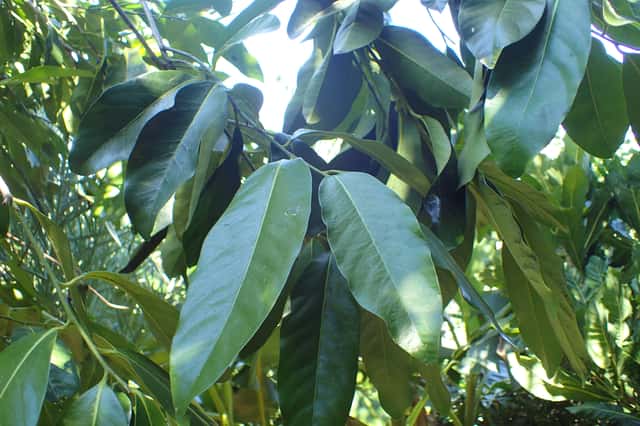
Black Sapote (Diospyros nigra) is a tropical fruit tree native to Mexico and Central America, belonging to the Ebenaceae (ebony) family. Nicknamed the "chocolate pudding fruit," its ripe pulp develops a deep dark-brown color with a mild, sweet flavor reminiscent of chocolate. It is a slow-growing, evergreen tree that can reach up to 25 meters in its natural habitat, though cultivated specimens are typically kept at 5–10 meters through regular pruning.
How to Propagate Black Sapote?
Seed Propagation
Use fresh seeds for best germination rates. Seed-grown trees may take 5-6 years to fruit. Grafting is recommended for faster production.
- 1 Remove seeds from ripe fruit and clean thoroughly
- 2 Plant in well-draining mix at 2-3 cm depth
- 3 Keep moist and in a warm, bright location
- 4 Transplant when seedling reaches 20-30 cm tall
Materials needed:
Grafting
Grafted trees produce fruit in 2-3 years instead of 5-6. Always use clean, sharp, sterilized tools to prevent disease transmission.
- 1 Select a healthy, established rootstock
- 2 Prepare scion wood from a desired productive variety
- 3 Perform cleft or bud grafting technique
- 4 Wrap with grafting tape and maintain humid conditions
- 5 Remove tape once the graft shows active new growth
Materials needed:
How Big Does Black Sapote Grow?
TLDR: Black Sapote can reach up to 25.0m tall with Slow growth rate.
Max height
25.0m
Spread
7.6m
Growth rate
Slow
Foliage
Evergreen
Plant Uses
Edible
Can be consumed
Ornamental
Great for decoration
Medicinal Uses
- Bark and leaves have been used in traditional Mesoamerican medicine as an antidiarrheal and digestive remedy.
Culinary Uses
- Eat ripe pulp fresh, on its own or mixed with orange or lime juice
- Blend into smoothies, milkshakes, and ice cream
- Use in baked goods, pies, cakes, and chocolate-pudding-style desserts
- Can be made into jams and preserves
Is your plant showing symptoms?
Click on the symptom to discover possible causes:
What Diseases Commonly Affect Black Sapote?
TLDR: Black Sapote is susceptible to 5 known diseases. Monitor regularly for early detection.
Root Rot
Root rot is a serious fungal disease that affects the root system of plants, causing them to decay and die. It is primarily caused by overwatering, poor drainage, or soil-borne fungi such as Pythium, Phytophthora, Rhizoctonia, and Fusarium. The disease thrives in waterlogged conditions where roots are deprived of oxygen, making them susceptible to fungal infection.
Spider Mites
Spider mites are tiny arachnids (less than 1/20 inch long) related to spiders and ticks that feed on plant sap. They thrive in hot, dry conditions and can cause significant damage to ornamental and vegetable plants. During severe infestations, crop losses can reach 14% or higher as these pests disrupt vital plant processes including photosynthesis, carbon dioxide absorption, and transpiration.
Scale Insects
Scale insects are small sap-sucking pests that appear as brown, shell-like bumps on plant stems and leaves. There are over 25 species, divided into armored (hard) and unarmored (soft) scales. They feed by piercing plant tissue and extracting sap, which weakens the plant and can lead to yellowing, stunted growth, and even death if left untreated. They also excrete honeydew, which attracts ants and promotes sooty mold growth.
Anthracnose
Anthracnose is a fungal disease caused by fungi in the genus Colletotrichum that affects many plants, including vegetables, fruits, and trees. The disease thrives in cool, wet conditions, causing dark, sunken lesions on leaves, stems, flowers, and fruits.
Meaning & Symbolism
In Mesoamerican cultures, the Black Sapote symbolizes tropical abundance and the generosity of nature. Its unique, nourishing fruit made it a treasured food among pre-Hispanic peoples of Mexico and Central America.
Fun Facts
The ripe pulp of Black Sapote turns such a deep, dark brown that it resembles chocolate pudding—giving it the nickname 'Chocolate Pudding Fruit'
Despite its name and taste, Black Sapote is not related to cacao and contains no theobromine or caffeine
In its natural habitat, the tree can reach up to 25 meters tall, but in cultivation it is usually pruned to 5–10 meters for easier harvesting
Black Sapote flowers are small and yellowish-white, appearing in spring and pollinated mainly by insects
Frequently asked questions
How often should I water my Black Sapote tree?
Can Black Sapote be grown in a pot?
When does Black Sapote start producing fruit?
Is Black Sapote toxic?
Does Black Sapote tolerate cold temperatures?
Compare with similar plants
| Attribute | Difficulty | Light | Watering | Pet Safe |
|---|---|---|---|---|
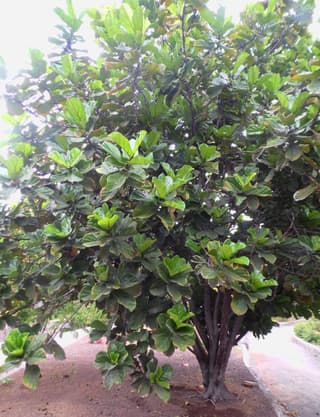
| Fiddle Leaf Fig | Hard | Bright indirect | 10d | ⚠️ |
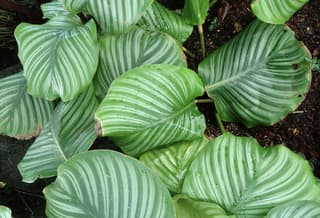
| Round-leaf Calathea | Hard | Partial shade | 7d | ✓ |
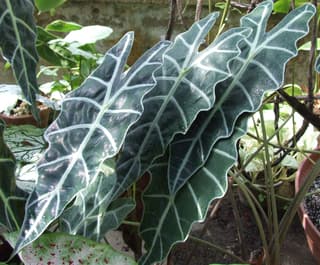
| African Mask Plant | Hard | Partial shade | 5d | ⚠️ |
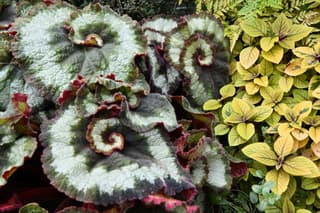
| Rex Begonia | Hard | Partial shade | 7d | ⚠️ |