Crassulaceae
Two-row Stonecrop - Hardy Succulent Groundcover
Phedimus spurius
Extremely low-maintenance succulent groundcover. Requires full sun, very well-draining sandy soil, and infrequent watering. Hardy in USDA zones 3a–9b. Highly tolerant of poor soils, drought, and severe frost. Ideal for rock gardens, slopes, and sunny ground cover applications.
Every 14 days
Direct sun
-40° - 35°C
30% - 60%
Categories
What is Two-row Stonecrop?
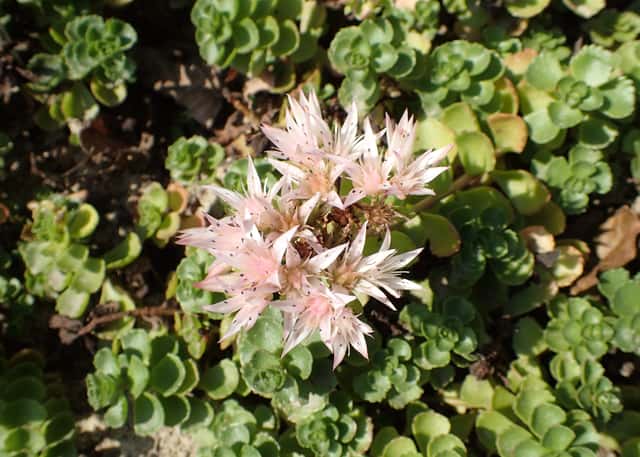
Two-row Stonecrop (Phedimus spurius) is a easy-care plant from the Crassulaceae family. Phedimus spurius, commonly known as Two-row Stonecrop or Caucasian Stonecrop, is a hardy perennial succulent groundcover in the family Crassulaceae, native to the Caucasus region. Formerly classified as Sedum spurium, it is prized for its exceptional cold and drought tolerance, spreading mat-forming...
Two-row Stonecrop grows up to 15cm, with spread of 90cm, watering every 14 days, -40°C – 35°C, 30–60% humidity. It is suitable for indoor environments and safe for pets.
Unlike many tropical plants, Two-row Stonecrop tolerates watering mistakes. Best for beginners. Unlike many popular species, Two-row Stonecrop is safe to keep around pets. Without adequate drainage, root rot can develop within 28 days.
How to Care for Two-row Stonecrop?
TLDR: Two-row Stonecrop needs Direct sun, watering every 14 days, and temperatures between -40-35°C with 30-60% humidity.
How Often Should You Water Two-row Stonecrop?
Water deeply every 14–21 days during the growing season using the soak-and-dry method — allow soil to dry completely between waterings. Reduce to monthly or less in winter dormancy. Excellent drainage is essential; never let roots sit in standing water to avoid root rot.
How Much Light Does Two-row Stonecrop Need?
Requires a minimum of 6 hours of direct sunlight daily. Full sun brings out the most vibrant leaf coloration and best flowering. Tolerates partial shade but growth may become leggy and colors will fade. In extremely hot climates, afternoon shade can be beneficial.
What Is the Best Soil for Two-row Stonecrop?
Plant in sandy, gritty, or rocky well-draining soil. Avoid clay or moisture-retentive mixes. Amend heavy soils with coarse sand or perlite. Prefers slightly acidic to neutral pH (6.0–7.5). Thrives in poor soils where other plants struggle.
What Pot Should You Use for Two-row Stonecrop?
Shallow terracotta pots with drainage holes, or directly in rock gardens and raised beds
Care Schedule
Fertilize
Every 90 days
Repot
Every 730 days
What Is Two-row Stonecrop and Where Does It Come From?
Phedimus spurius, commonly known as Two-row Stonecrop or Caucasian Stonecrop, is a hardy perennial succulent groundcover in the family Crassulaceae, native to the Caucasus region. Formerly classified as Sedum spurium, it is prized for its exceptional cold and drought tolerance, spreading mat-forming habit, and starry summer flowers in shades of pink, red, and white. It excels in rock gardens, slopes, borders, and as a lawn alternative.
How Big Does Two-row Stonecrop Grow?
TLDR: Two-row Stonecrop can reach up to 15cm tall with Medium growth rate.
Max height
15cm
Spread
90cm
Growth rate
Medium
Foliage
Semi-evergreen
Warning: Toxic Plant
This plant can be toxic if ingested. Keep out of reach of:
Plant Uses
Ornamental
Great for decoration
Ground Cover
Soil coverage
Is your plant showing symptoms?
Click on the symptom to discover possible causes:
What Diseases Commonly Affect Two-row Stonecrop?
TLDR: Two-row Stonecrop is susceptible to 9 known diseases. Monitor regularly for early detection.
Root Rot
Root rot is a serious fungal disease that affects the root system of plants, causing them to decay and die. It is primarily caused by overwatering, poor drainage, or soil-borne fungi such as Pythium, Phytophthora, Rhizoctonia, and Fusarium. The disease thrives in waterlogged conditions where roots are deprived of oxygen, making them susceptible to fungal infection.
Powdery Mildew
Powdery mildew is a common fungal disease caused by various fungi species including Erysiphe, Podosphaera, Oïdium, and Leveillula. It affects over 10,000 plant species worldwide. The disease thrives in warm, dry climates with high humidity and appears as a distinctive white powdery coating on plant surfaces.
Southern Blight
Southern blight is a devastating soilborne fungal disease caused by Athelia rolfsii (formerly Sclerotium rolfsii), affecting over 500 plant species including vegetables, ornamentals, and fruit crops. The fungus survives in soil through resting structures called sclerotia that resemble mustard seeds and can remain viable for years.
Aphids
Aphids are small, soft-bodied, pear-shaped insects (1/16 to 1/8 inch long) that feed by sucking nutrient-rich sap from plants. They reproduce rapidly and can quickly weaken plants, causing distorted growth and transmitting plant viruses. Aphids come in various colors including green, black, red, yellow, brown, and gray. They secrete honeydew, a sticky substance that attracts ants and encourages sooty mold growth.
Meaning & Symbolism
Resilience and endurance; a symbol of thriving under adversity in harsh, rocky environments.
Fun Facts
One of the hardiest succulents in cultivation, surviving temperatures down to -40°C (-40°F).
Native to the rocky slopes of the Caucasus Mountains between Europe and Asia.
The popular variety 'Dragon's Blood' develops deep red foliage in cool temperatures, resembling dragon scales.
A single plant can spread to cover 90 cm (3 feet) in diameter, making it an excellent lawn alternative for dry areas.
Frequently asked questions
Is Two-row Stonecrop toxic to pets?
How often should I water it?
Can it survive freezing winters?
Compare with similar plants
| Attribute | Difficulty | Light | Watering | Pet Safe |
|---|---|---|---|---|
| Peace Lily | Easy | Low light | 4d | ⚠️ |
| Swiss Cheese Plant | Easy | Partial shade | 10d | ⚠️ |
| Golden Pothos | Easy | Low light | 8d | ⚠️ |
| ZZ Plant | Easy | Low light | 18d | ⚠️ |