Asteraceae
Common Sowthistle: Edible and Medicinal Plant Guide
Sonchus oleraceus
A low-maintenance plant that thrives in full sun and adapts to most soil types. Water moderately every 7 days; drought-tolerant once established. Best grown outdoors as an edible or medicinal herb.
Every 7 days
Direct sun
0° - 38°C
40% - 80%
Categories
What is Common Sowthistle?
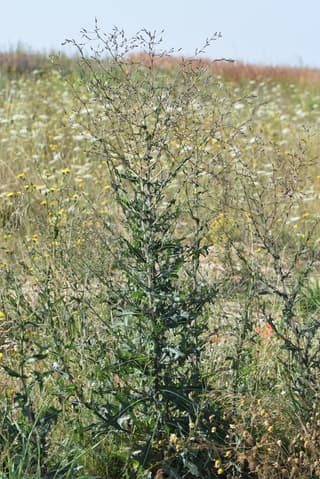
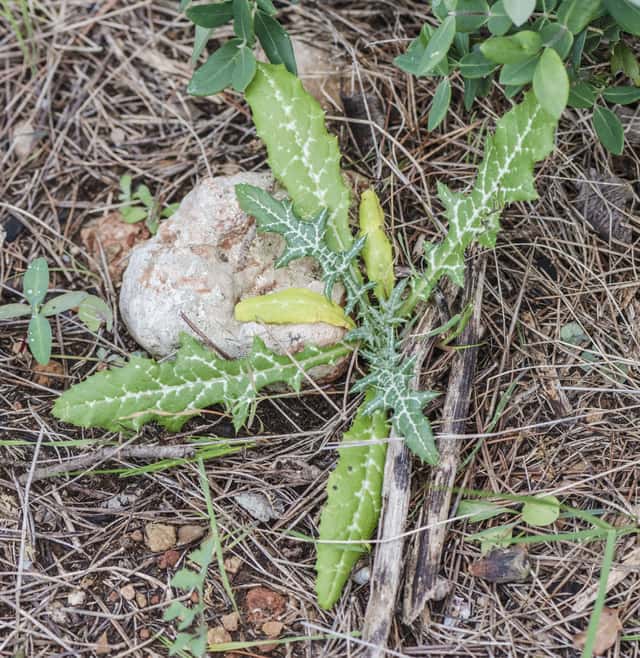
Common Sowthistle (Sonchus oleraceus) is a easy-care plant from the Asteraceae family. Common sowthistle (Sonchus oleraceus) is a fast-growing annual herb in the Asteraceae family, native to Europe and Western Asia and now naturalized worldwide. It thrives in disturbed soils, roadsides, and gardens, reaching up to 1.4 m tall. Its yellow daisy-like flowers attract bees and flies, and i...
Common Sowthistle grows up to 1.4m, spread of 50cm, watering every 7 days, 0°C – 38°C, 40–80% humidity. It is not suitable for indoor environments and safe for pets.
Unlike many tropical plants, Common Sowthistle tolerates watering mistakes. Best for beginners. Unlike many popular species, Common Sowthistle is safe to keep around pets.
How to Care for Common Sowthistle?
TLDR: Common Sowthistle needs Direct sun, watering every 7 days, and temperatures between 0-38°C with 40-80% humidity.
How Often Should You Water Common Sowthistle?
Water every 7 days or when the top 3 cm of soil is dry. Common sowthistle is drought-tolerant and handles brief dry spells well.
How Much Light Does Common Sowthistle Need?
Requires full sun (6–8 hours daily). Growth slows and leaves become more bitter in shaded conditions.
What Is the Best Soil for Common Sowthistle?
Adapts to sandy, loamy, or clay soils with a pH between 5.5 and 7.5. Avoid waterlogged conditions to prevent root rot.
What Pot Should You Use for Common Sowthistle?
Not suitable for containers — best grown directly in open soil or a garden bed.
Care Schedule
Fertilize
Every 14 days
Misting
Every 3 days
Rotate
Every 7 days
Repot
Every 365 days
What Is Common Sowthistle and Where Does It Come From?
Common sowthistle (Sonchus oleraceus) is a fast-growing annual herb in the Asteraceae family, native to Europe and Western Asia and now naturalized worldwide. It thrives in disturbed soils, roadsides, and gardens, reaching up to 1.4 m tall. Its yellow daisy-like flowers attract bees and flies, and its young leaves are edible and rich in vitamin C.
How Big Does Common Sowthistle Grow?
TLDR: Common Sowthistle can reach up to 1.4m tall with Fast growth rate.
Max height
1.4m
Spread
50cm
Growth rate
Fast
Foliage
Deciduous
Plant Uses
Edible
Can be consumed
Medicinal
Medicinal properties
Medicinal Uses
- Traditional remedy for fevers and menstrual irregularities
- Latex studied for potential anticancer properties
- Topical use for treating warts
Culinary Uses
- Young leaves eaten raw in salads or cooked like spinach
- Young stems can be prepared like asparagus
- Good source of vitamin C (30–40 mg per 100 g fresh weight)
Is your plant showing symptoms?
Click on the symptom to discover possible causes:
What Diseases Commonly Affect Common Sowthistle?
TLDR: Common Sowthistle is susceptible to 7 known diseases. Monitor regularly for early detection.
Aphids
Aphids are small, soft-bodied, pear-shaped insects (1/16 to 1/8 inch long) that feed by sucking nutrient-rich sap from plants. They reproduce rapidly and can quickly weaken plants, causing distorted growth and transmitting plant viruses. Aphids come in various colors including green, black, red, yellow, brown, and gray. They secrete honeydew, a sticky substance that attracts ants and encourages sooty mold growth.
Whiteflies
Whiteflies are small, soft-bodied, winged insects closely related to aphids and mealybugs. They are moth-like in appearance, about 1/16 inch long, triangular in shape, and gray-white in color. These sap-sucking pests feed on plant tissue, causing yellowing, stunted growth, and wilting. They also excrete honeydew, which attracts ants and promotes sooty mold growth. Whiteflies can transmit serious plant viruses.
Root-Knot Nematodes
Root-knot nematodes (Meloidogyne species) are microscopic roundworms that parasitize plant roots, causing characteristic galls or knots. These soil-borne pests are among the most economically damaging plant pathogens worldwide, affecting a wide range of ornamental and edible plants. The nematodes inject enzymes into root cells, causing abnormal swelling and disrupting water and nutrient uptake.
Mosaic Virus
Mosaic virus is a group of plant viruses that cause mottled, patchy patterns on leaves and can affect a wide variety of plants. The virus creates characteristic yellow, white, and green mosaic patterns, often accompanied by stunted growth and deformed plant parts. This highly contagious disease spreads rapidly through insect vectors and contaminated tools.
Meaning & Symbolism
Resilience and adaptability; historically associated with nourishment and survival in lean times.
Fun Facts
Common sowthistle is found in over 150 countries, making it one of the most widely distributed weeds on Earth.
Its seeds are wind-dispersed like dandelion seeds and can travel hundreds of metres.
Young leaves are noticeably less bitter than mature ones and have been eaten by indigenous peoples worldwide.
Frequently asked questions
Is common sowthistle edible?
Is sowthistle a weed?
How do I control sowthistle in my garden?
Compare with similar plants
| Attribute | Difficulty | Light | Watering | Pet Safe |
|---|---|---|---|---|
| Field Maple | Easy | Bright indirect | 14d | ✓ |
| Wild Lettuce | Medium | Direct sun | 7d | ⚠️ |
| Cushion Bush | Easy | Direct sun | 14d | ✓ |
| Chilean Cacti | Easy | Direct sun | 14d | ✓ |