Iridaceae
Siberian Iris (Iris sibirica)
Iris sibirica
Siberian Iris is an easy-care perennial that thrives in full sun with consistently moist, well-drained, slightly acidic soil. Water every 7 days, fertilize once a month during spring, and divide clumps every 3–5 years to maintain vigor. It is frost-hardy down to -40°C and requires little maintenance once established.
Every 7 days
Bright indirect
-40° - 35°C
30% - 60%
Categories
What is Siberian Iris?
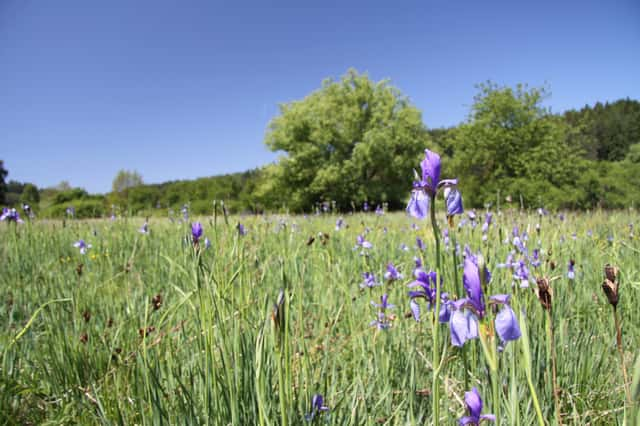
Siberian Iris (Iris sibirica) is a easy-care plant from the Iridaceae family. Iris sibirica, commonly known as Siberian Iris, is a graceful perennial flowering plant native to Central and Eastern Europe through Central Asia. It produces elegant, blue to violet blooms in late spring to early summer atop slender upright stems. Forming dense clumps of grass-like foliage, it is o...
Siberian Iris grows up to 1.2m, with spread of 90cm, watering every 7 days, -40°C – 35°C, 30–60% humidity. It is not suitable for indoor environments and not safe for pets.
Unlike many tropical plants, Siberian Iris tolerates watering mistakes. Best for beginners. Without precautions, ingestion can cause irritation in pets. Keep out of reach of cats and dogs.
How to Care for Siberian Iris?
TLDR: Siberian Iris needs Bright indirect, watering every 7 days, and temperatures between -40-35°C with 30-60% humidity.
How Often Should You Water Siberian Iris?
Water deeply every 7 days, keeping the soil consistently moist but never waterlogged. Siberian Iris tolerates brief periods of drought once established, but regular watering during the growing season ensures the best blooms. Reduce watering after flowering and during winter dormancy.
How Much Light Does Siberian Iris Need?
Plant in full sun for the most prolific blooms — at least 6 hours of direct sunlight per day. Partial shade is tolerated but will reduce flowering significantly. In hot climates, afternoon shade can protect blooms from fading.
What Is the Best Soil for Siberian Iris?
Prefers moist, fertile, slightly acidic soil (pH 5.5–7.0) rich in organic matter. Good drainage is essential to prevent root and crown rot. Loamy or sandy-loam soils are ideal. Amend heavy clay soils with compost to improve drainage.
What Pot Should You Use for Siberian Iris?
Not suitable for indoor pots. Prefers open garden borders or large containers in full sun. Use large terracotta or ceramic pots with good drainage holes if growing in containers.
Care Schedule
Fertilize
Every 30 days
Repot
Every 1095 days
What Is Siberian Iris and Where Does It Come From?
Iris sibirica, commonly known as Siberian Iris, is a graceful perennial flowering plant native to Central and Eastern Europe through Central Asia. It produces elegant, blue to violet blooms in late spring to early summer atop slender upright stems. Forming dense clumps of grass-like foliage, it is one of the most disease-resistant and low-maintenance irises available to gardeners. Its deciduous foliage turns attractive straw-yellow in autumn before dying back.
How to Propagate Siberian Iris?
Rhizome Division
Divide every 3–5 years to prevent overcrowding and maintain vigorous flowering. Avoid dividing during midsummer heat.
- 1 Dig up the entire clump with a garden fork after flowering or in early autumn.
- 2 Use a sharp spade or knife to divide the clump into sections, each with at least 2–3 fans of leaves.
- 3 Trim foliage back to about 15 cm to reduce water loss.
- 4 Replant divisions at the same depth as before, keeping the rhizome just below the soil surface.
- 5 Water thoroughly and keep moist for 6–8 weeks until established.
Materials needed:
Seed Propagation
Seeds from cultivars may not come true to type. Species plants grown from seed will flower in their second or third year.
- 1 Collect ripe seed pods in autumn and allow them to dry.
- 2 Sow seeds in trays with moist seed compost in December–February.
- 3 Place in a cold greenhouse or cold frame to allow cold stratification.
- 4 Germination typically occurs in spring. Prick out seedlings when large enough to handle.
- 5 Grow on in pots for one season before planting out in the garden.
Materials needed:
How Big Does Siberian Iris Grow?
TLDR: Siberian Iris can reach up to 1.2m tall with Medium growth rate.
Max height
1.2m
Spread
90cm
Growth rate
Medium
Foliage
Deciduous
Warning: Toxic Plant
This plant can be toxic if ingested. Keep out of reach of:
Plant Uses
Ornamental
Great for decoration
Is your plant showing symptoms?
Click on the symptom to discover possible causes:
What Diseases Commonly Affect Siberian Iris?
TLDR: Siberian Iris is susceptible to 8 known diseases. Monitor regularly for early detection.
Root Rot
Root rot is a serious fungal disease that affects the root system of plants, causing them to decay and die. It is primarily caused by overwatering, poor drainage, or soil-borne fungi such as Pythium, Phytophthora, Rhizoctonia, and Fusarium. The disease thrives in waterlogged conditions where roots are deprived of oxygen, making them susceptible to fungal infection.
Crown Rot
Crown rot is a serious fungal disease that attacks the crown (base) of the plant where the stem meets the soil. It is caused by various fungal pathogens including Phytophthora, Fusarium, and Rhizoctonia. The disease thrives in waterlogged conditions and can quickly spread to kill the entire plant if not addressed promptly.
Bacterial Soft Rot
Bacterial soft rot is a destructive plant disease caused primarily by bacteria from the genera Pectobacterium (formerly Erwinia) and Dickeya. These bacteria produce enzymes that break down plant cell walls, causing rapid and foul-smelling tissue decomposition. It mainly affects succulent tissues such as tubers, fruits, stems, and bulbs, being especially problematic in warm and humid conditions.
Gray Mold (Botrytis Blight)
Gray mold, caused by the fungus Botrytis cinerea, is a widespread necrotrophic pathogen affecting over 1,400 plant species. It thrives in cool, humid conditions and attacks weakened or aging plant tissues, causing soft rot and characteristic gray fuzzy growth.
Meaning & Symbolism
Siberian Iris symbolizes hope, wisdom, and renewal. In many European traditions, its late-spring bloom marks the transition into summer, representing faith and the promise of warmer days ahead.
Fun Facts
Siberian Iris is one of the most cold-hardy irises, surviving temperatures as low as -40°C.
Unlike bearded irises, Siberian Iris is rarely affected by iris borer — making it much easier to grow.
A single mature clump can produce over 20 flower stems in a single season.
Siberian Iris thrives in rain gardens and pond margins, tolerating seasonal waterlogging better than most irises.
Frequently asked questions
How often should I water Siberian Iris?
Is Siberian Iris toxic to pets?
When does Siberian Iris bloom?
How do I propagate Siberian Iris?
Why is my Siberian Iris not blooming?
Compare with similar plants
| Attribute | Difficulty | Light | Watering | Pet Safe |
|---|---|---|---|---|
| Peace Lily | Easy | Low light | 4d | ⚠️ |
| Swiss Cheese Plant | Easy | Partial shade | 10d | ⚠️ |
| Golden Pothos | Easy | Low light | 8d | ⚠️ |
| ZZ Plant | Easy | Low light | 18d | ⚠️ |