Crassulaceae
Hens and Chicks (Sempervivum): The Ultimate Care Guide
Sempervivum
Extremely low-maintenance plant. Thrives in full sun, needs well-draining gritty soil, and infrequent watering. Fully frost-hardy and drought-tolerant. Perfect for rock gardens, containers, green roofs, and ground cover.
Every 14 days
Direct sun
-34° - 27°C
20% - 40%
Categories
What is Hens and Chicks?
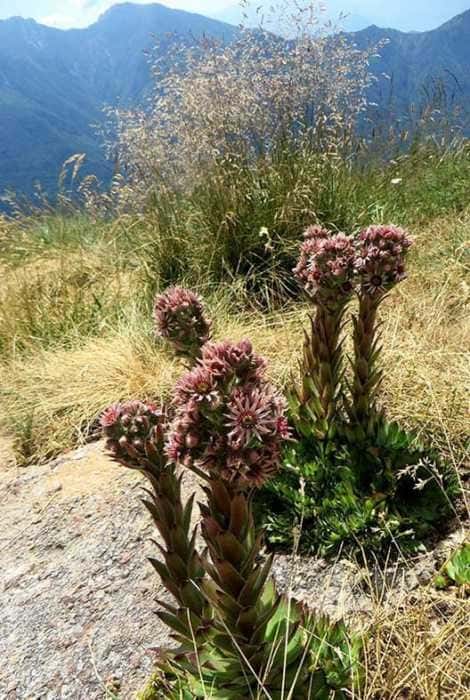
Hens and Chicks (Sempervivum) is a easy-care plant from the Crassulaceae family. Sempervivum is a genus of approximately 40 species of hardy alpine succulents in the family Crassulaceae, native to the mountains of Europe and parts of Asia. They form tight, fleshy rosettes that continuously produce offsets ("chicks") around the mother plant ("hen"), creating dense spreading mats....
Hens and Chicks grows up to 15cm, spread of 30cm, watering every 14 days, -34°C – 27°C, 20–40% humidity. It is suitable for indoor environments and safe for pets.
Unlike many tropical plants, Hens and Chicks tolerates watering mistakes. Best for beginners. Unlike many popular species, Hens and Chicks is safe to keep around pets. Without adequate drainage, root rot can develop within 28 days.
How to Care for Hens and Chicks?
TLDR: Hens and Chicks needs Direct sun, watering every 14 days, and temperatures between -34-27°C with 20-40% humidity.
How Often Should You Water Hens and Chicks?
Water every 14 days or less — only when soil is completely dry. In winter, water once a month or not at all. Never allow water to pool at the base; soggy soil causes fatal root rot.
How Much Light Does Hens and Chicks Need?
Requires at least 6 hours of direct sunlight daily. Outdoors, plant in south or west-facing spots. Indoors, place at the brightest window available. Insufficient light causes elongated, pale rosettes.
What Is the Best Soil for Hens and Chicks?
Use gritty, fast-draining soil: a commercial cactus/succulent mix or blend standard potting soil with 50% coarse sand, perlite, or pumice. pH 6.0–7.5. Never use heavy clay or moisture-retaining mixes.
What Pot Should You Use for Hens and Chicks?
Terracotta or unglazed ceramic pots are ideal — their porosity promotes airflow and fast soil drying. Avoid plastic pots or any container without drainage holes.
Care Schedule
Fertilize
Every 90 days
Repot
Every 730 days
What Is Hens and Chicks and Where Does It Come From?
Sempervivum is a genus of approximately 40 species of hardy alpine succulents in the family Crassulaceae, native to the mountains of Europe and parts of Asia. They form tight, fleshy rosettes that continuously produce offsets ("chicks") around the mother plant ("hen"), creating dense spreading mats. Exceptionally cold-hardy, they tolerate temperatures as low as -34°C (-29°F) and survive in rocky, nutrient-poor soils.
How to Propagate Hens and Chicks?
Offset Division (Chick Separation)
Choose offsets that already show small roots for the highest success rate. Do not water immediately — let the wound callous first.
- 1 Identify well-developed chicks (offsets) growing around the mother rosette
- 2 Use clean scissors or a knife to cut the stolon connecting chick to mother
- 3 Allow the cut end to callous for 24 hours in a dry location
- 4 Plant in gritty, well-draining succulent mix and wait 1 week before first watering
Materials needed:
How Big Does Hens and Chicks Grow?
TLDR: Hens and Chicks can reach up to 15cm tall with Slow growth rate.
Max height
15cm
Spread
30cm
Growth rate
Slow
Foliage
Evergreen
Plant Uses
Ornamental
Great for decoration
Ground Cover
Soil coverage
Is your plant showing symptoms?
Click on the symptom to discover possible causes:
What Diseases Commonly Affect Hens and Chicks?
TLDR: Hens and Chicks is susceptible to 10 known diseases. Monitor regularly for early detection.
Root Rot
Root rot is a serious fungal disease that affects the root system of plants, causing them to decay and die. It is primarily caused by overwatering, poor drainage, or soil-borne fungi such as Pythium, Phytophthora, Rhizoctonia, and Fusarium. The disease thrives in waterlogged conditions where roots are deprived of oxygen, making them susceptible to fungal infection.
Crown Rot
Crown rot is a serious fungal disease that attacks the crown (base) of the plant where the stem meets the soil. It is caused by various fungal pathogens including Phytophthora, Fusarium, and Rhizoctonia. The disease thrives in waterlogged conditions and can quickly spread to kill the entire plant if not addressed promptly.
Overwatering
Overwatering occurs when plants receive too much water, depriving roots of oxygen and causing root rot. This environmental stress is one of the most common causes of houseplant death, as waterlogged soil prevents roots from breathing and functioning properly.
Powdery Mildew
Powdery mildew is a common fungal disease caused by various fungi species including Erysiphe, Podosphaera, Oïdium, and Leveillula. It affects over 10,000 plant species worldwide. The disease thrives in warm, dry climates with high humidity and appears as a distinctive white powdery coating on plant surfaces.
Meaning & Symbolism
Symbolizes resilience, eternal life, and protection. In medieval Europe, it was planted on rooftops to shield homes from lightning strikes and evil spirits. Its Latin name literally means "always alive".
Fun Facts
Its Latin name Sempervivum literally means "always alive" — a testament to its legendary drought and cold resistance.
In medieval Europe, it was planted on rooftops to protect homes from lightning and evil spirits.
Each mother rosette blooms only once in its lifetime, then dies — but leaves dozens of chicks to carry on the colony.
There are over 40 wild species and hundreds of cultivated hybrids of Sempervivum grown worldwide.
Frequently asked questions
How often should I water Hens and Chicks?
Can Hens and Chicks survive frost?
How do I propagate Hens and Chicks?
Are Hens and Chicks toxic to pets?
Why is my Hens and Chicks growing a tall flower stalk?
Compare with similar plants
| Attribute | Difficulty | Light | Watering | Pet Safe |
|---|---|---|---|---|
| Field Maple | Easy | Bright indirect | 14d | ✓ |
| Silver Birch | Easy | Direct sun | 14d | ✓ |
| Cushion Bush | Easy | Direct sun | 14d | ✓ |
| Peruvian peppertree | Easy | Direct sun | 14d | ⚠️ |