Malvaceae
Silk Floss Tree (Ceiba speciosa): Complete Care Guide
Ceiba speciosa
The Silk Floss Tree is a resilient, low-maintenance outdoor tree. It requires full sun and well-drained soil. Established trees are highly drought-tolerant. It blooms spectacularly in spring and fall with vibrant pink flowers. A light annual pruning helps maintain shape and prevents disease.
Every 14 days
Direct sun
5° - 41°C
40% - 70%
Categories
What is Silk Floss Tree?
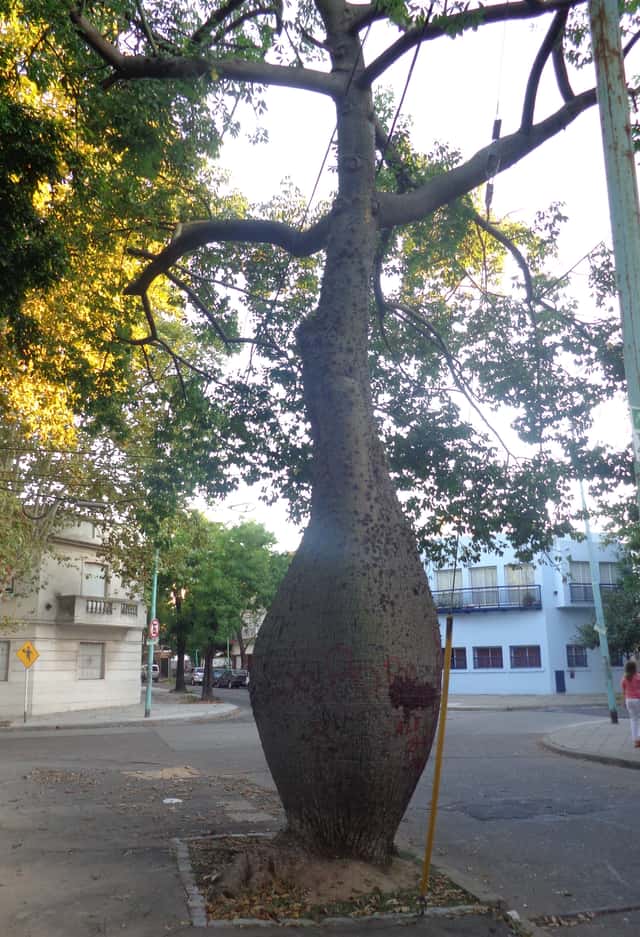
Silk Floss Tree (Ceiba speciosa) is a easy-care plant from the Malvaceae family. The Silk Floss Tree (Ceiba speciosa) is a majestic deciduous tree native to South America, celebrated for its bottle-shaped green trunk covered in conical spines, stunning pink flowers, and seed pods filled with silky kapok fiber. Widely planted as an ornamental in parks, avenues, and public gardens...
Silk Floss Tree grows up to 15.0m, with spread of 1400cm, watering every 14 days, 5°C – 41°C, 40–70% humidity. It is not suitable for indoor environments and safe for pets.
Unlike many tropical plants, Silk Floss Tree tolerates watering mistakes. Best for beginners. Unlike many popular species, Silk Floss Tree is safe to keep around pets.
How to Care for Silk Floss Tree?
TLDR: Silk Floss Tree needs Direct sun, watering every 14 days, and temperatures between 5-41°C with 40-70% humidity.
How Often Should You Water Silk Floss Tree?
Water young trees every 7-14 days. Established trees are very drought-tolerant and only need irrigation during extended dry spells (30+ days without rain). Never allow waterlogging around the trunk base.
How Much Light Does Silk Floss Tree Need?
Requires full sun — at least 6-8 hours of direct sunlight per day. Does not tolerate shade. Choose an open, spacious location away from walls and buildings.
What Is the Best Soil for Silk Floss Tree?
Plant in well-drained, fertile soil with a pH between 6.0 and 8.0. Tolerates sandy, loamy, and clay soils. Avoid waterlogged conditions, as excess moisture causes root rot.
What Pot Should You Use for Silk Floss Tree?
Not suitable for container growing due to its large size. Grow directly in open ground with ample space.
Care Schedule
Fertilize
Every 90 days
What Is Silk Floss Tree and Where Does It Come From?
The Silk Floss Tree (Ceiba speciosa) is a majestic deciduous tree native to South America, celebrated for its bottle-shaped green trunk covered in conical spines, stunning pink flowers, and seed pods filled with silky kapok fiber. Widely planted as an ornamental in parks, avenues, and public gardens across Brazil, Argentina, and beyond.
How to Propagate Silk Floss Tree?
Seed Sowing
Seeds germinate quickly in warm conditions. Use slightly moist, not waterlogged substrate.
- 1 Collect mature seeds from open pods
- 2 Sow in moist, well-drained growing medium
- 3 Keep in a warm, sunny location
- 4 Transplant seedlings when they reach 8-12 inches tall
Materials needed:
Stem Cutting
Less common method, preferred in very cold regions. Use well-draining substrate.
- 1 Cut a healthy stem 12-16 inches long in autumn or winter
- 2 Allow to cure for 24 hours in open air
- 3 Plant in well-drained moist substrate
- 4 Keep in a warm, sheltered spot
Materials needed:
How Big Does Silk Floss Tree Grow?
TLDR: Silk Floss Tree can reach up to 15.0m tall with Fast growth rate.
Max height
15.0m
Spread
14.0m
Growth rate
Fast
Foliage
Deciduous
Plant Uses
Ornamental
Great for decoration
Is your plant showing symptoms?
Click on the symptom to discover possible causes:
What Diseases Commonly Affect Silk Floss Tree?
TLDR: Silk Floss Tree is susceptible to 5 known diseases. Monitor regularly for early detection.
Root Rot
Root rot is a serious fungal disease that affects the root system of plants, causing them to decay and die. It is primarily caused by overwatering, poor drainage, or soil-borne fungi such as Pythium, Phytophthora, Rhizoctonia, and Fusarium. The disease thrives in waterlogged conditions where roots are deprived of oxygen, making them susceptible to fungal infection.
Aphids
Aphids are small, soft-bodied, pear-shaped insects (1/16 to 1/8 inch long) that feed by sucking nutrient-rich sap from plants. They reproduce rapidly and can quickly weaken plants, causing distorted growth and transmitting plant viruses. Aphids come in various colors including green, black, red, yellow, brown, and gray. They secrete honeydew, a sticky substance that attracts ants and encourages sooty mold growth.
Scale Insects
Scale insects are small sap-sucking pests that appear as brown, shell-like bumps on plant stems and leaves. There are over 25 species, divided into armored (hard) and unarmored (soft) scales. They feed by piercing plant tissue and extracting sap, which weakens the plant and can lead to yellowing, stunted growth, and even death if left untreated. They also excrete honeydew, which attracts ants and promotes sooty mold growth.
Leaf Spot
Leaf spot is a common fungal disease caused by various pathogens including Alternaria, Ascochyta, Colletotrichum, Septoria, and Venturia. It primarily affects leaves, causing discolored spots that can lead to premature leaf drop if left untreated.
Meaning & Symbolism
Symbol of strength, resilience, and fertility. Considered sacred by many South American indigenous peoples, representing the connection between sky and earth.
Fun Facts
The green trunk of the Silk Floss Tree performs photosynthesis, even when the tree drops all its leaves in winter.
The silky kapok fiber from its pods was historically used to stuff pillows and cushions before cotton became widely available.
The conical trunk spines are a water-storage adaptation — the trunk swells visibly during the rainy season.
The Silk Floss Tree can live over 100 years and reach up to 80 feet tall in its natural habitat.
Frequently asked questions
How often should I water the Silk Floss Tree?
Can the Silk Floss Tree be grown in a container?
Is the Silk Floss Tree toxic to pets?
When does the Silk Floss Tree bloom?
How fast does the Silk Floss Tree grow?
Compare with similar plants
| Attribute | Difficulty | Light | Watering | Pet Safe |
|---|---|---|---|---|
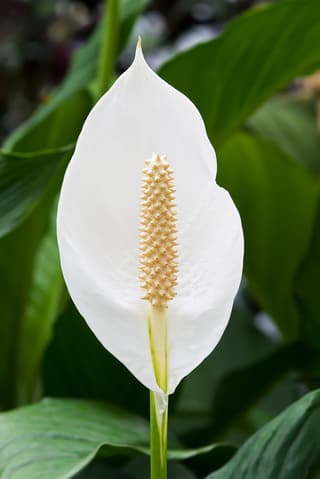
| Peace Lily | Easy | Low light | 4d | ⚠️ |
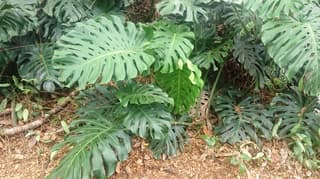
| Swiss Cheese Plant | Easy | Partial shade | 10d | ⚠️ |
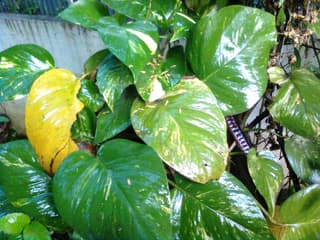
| Golden Pothos | Easy | Low light | 8d | ⚠️ |
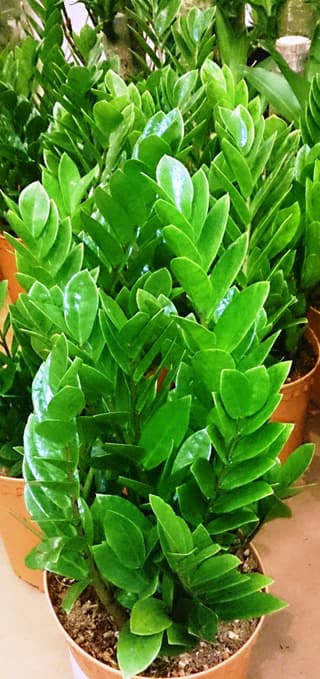
| ZZ Plant | Easy | Low light | 18d | ⚠️ |