Asteraceae
Blue Chalksticks: Ground Cover Plant
Curio talinoides
An extremely low-maintenance succulent that thrives on neglect. Water sparingly every 14–21 days using the soak-and-dry method, allowing soil to completely dry between waterings. Provide 6–8 hours of direct sunlight daily. Plant in fast-draining sandy or gritty soil. Drought-tolerant and deer-resistant. Reduce watering significantly in winter. Fertilize lightly once or twice a year in spring and summer.
Every 14 days
Direct sun
-2° - 29°C
10% - 40%
Categories
What is Blue Chalksticks?
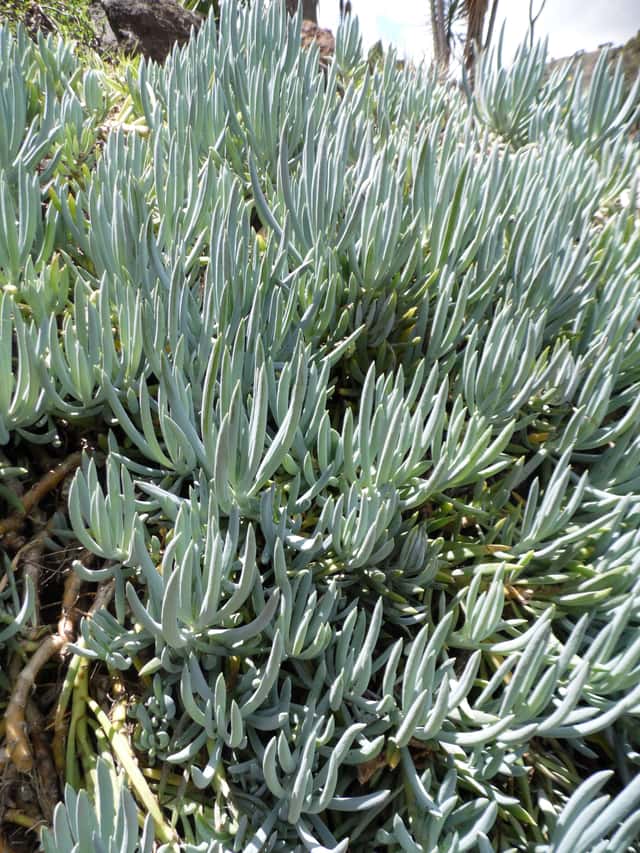
Blue Chalksticks (Curio talinoides) is a easy-care plant from the Asteraceae family. Curio talinoides, commonly known as Blue Chalksticks, is a striking succulent native to South Africa. It forms dense, low-growing mats of pencil-like, glaucous blue-grey leaves with a distinctive waxy coating that gives the plant its signature silvery-blue appearance. A member of the Asteraceae fami...
Blue Chalksticks grows up to 45cm, spread of 90cm, watering every 14 days, -2°C – 29°C, 10–40% humidity. It is suitable for indoor environments and not safe for pets.
Unlike many tropical plants, Blue Chalksticks tolerates watering mistakes. Best for beginners. Without precautions, ingestion can cause irritation in pets. Keep out of reach of cats and dogs. Without adequate drainage, root rot can develop within 28 days.
How to Care for Blue Chalksticks?
TLDR: Blue Chalksticks needs Direct sun, watering every 14 days, and temperatures between -2-29°C with 10-40% humidity.
How Often Should You Water Blue Chalksticks?
Water every 14–21 days using the soak-and-dry method — water deeply then wait until the soil is completely dry before watering again. In winter, reduce to once a month or less. Yellow, mushy leaves signal overwatering, which is the most common mistake.
How Much Light Does Blue Chalksticks Need?
Requires 6–8 hours of bright direct sunlight daily. A south-facing window is ideal indoors. In insufficient light, the plant will etiolate (stretch toward the light and lose its compact form). Outdoors, full sun brings out the best blue-grey color.
What Is the Best Soil for Blue Chalksticks?
Use a fast-draining cactus or succulent mix. Amend with coarse sand or perlite if needed. Never use moisture-retaining potting mixes. Good drainage is non-negotiable — soggy soil leads directly to root rot.
What Pot Should You Use for Blue Chalksticks?
Terracotta pots are ideal as they allow moisture to evaporate through the walls, preventing root rot. Ensure the pot has drainage holes. Shallow wide pots work well to accommodate the plant's spreading habit.
Care Schedule
Fertilize
Every 90 days
Repot
Every 730 days
What Is Blue Chalksticks and Where Does It Come From?
Curio talinoides, commonly known as Blue Chalksticks, is a striking succulent native to South Africa. It forms dense, low-growing mats of pencil-like, glaucous blue-grey leaves with a distinctive waxy coating that gives the plant its signature silvery-blue appearance. A member of the Asteraceae family, it produces small white daisy-like flowers in summer. Highly valued in xeriscape and Mediterranean gardens for its dramatic color contrast and minimal water requirements.
How Big Does Blue Chalksticks Grow?
TLDR: Blue Chalksticks can reach up to 45cm tall with Slow growth rate.
Max height
45cm
Spread
90cm
Growth rate
Slow
Foliage
Evergreen
Warning: Toxic Plant
This plant can be toxic if ingested. Keep out of reach of:
Plant Uses
Ornamental
Great for decoration
Ground Cover
Soil coverage
Is your plant showing symptoms?
Click on the symptom to discover possible causes:
What Diseases Commonly Affect Blue Chalksticks?
TLDR: Blue Chalksticks is susceptible to 8 known diseases. Monitor regularly for early detection.
Root Rot
Root rot is a serious fungal disease that affects the root system of plants, causing them to decay and die. It is primarily caused by overwatering, poor drainage, or soil-borne fungi such as Pythium, Phytophthora, Rhizoctonia, and Fusarium. The disease thrives in waterlogged conditions where roots are deprived of oxygen, making them susceptible to fungal infection.
Overwatering
Overwatering occurs when plants receive too much water, depriving roots of oxygen and causing root rot. This environmental stress is one of the most common causes of houseplant death, as waterlogged soil prevents roots from breathing and functioning properly.
Mealybugs
Mealybugs are small, soft-bodied insects covered with a white, waxy, cottony material. They are common pests of houseplants and outdoor plants in mild climates. These sap-sucking insects feed on plant tissue, causing damage, stunted growth, and can lead to plant death if left untreated. They produce sticky honeydew which attracts sooty mold.
Spider Mites
Spider mites are tiny arachnids (less than 1/20 inch long) related to spiders and ticks that feed on plant sap. They thrive in hot, dry conditions and can cause significant damage to ornamental and vegetable plants. During severe infestations, crop losses can reach 14% or higher as these pests disrupt vital plant processes including photosynthesis, carbon dioxide absorption, and transpiration.
Meaning & Symbolism
Blue Chalksticks symbolizes resilience and endurance, reflecting its ability to thrive in harsh, arid environments with minimal resources. The cool blue tones evoke calm, serenity, and drought-adapted strength.
Compare with similar plants
| Attribute | Difficulty | Light | Watering | Pet Safe |
|---|---|---|---|---|
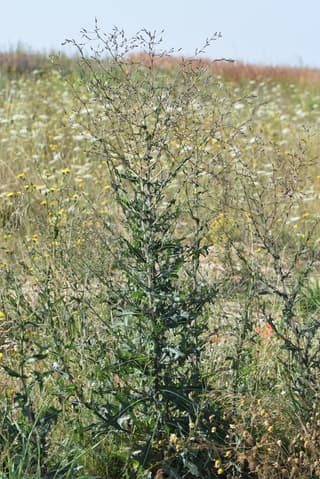
| Wild Lettuce | Medium | Direct sun | 7d | ⚠️ |
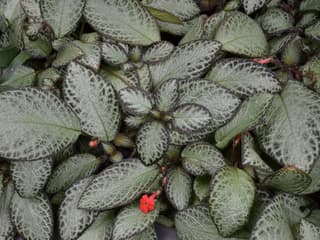
| Flame Violet | Easy | Partial shade | 7d | ✓ |
| Prickly Lettuce | Easy | Direct sun | 7d | ✓ |
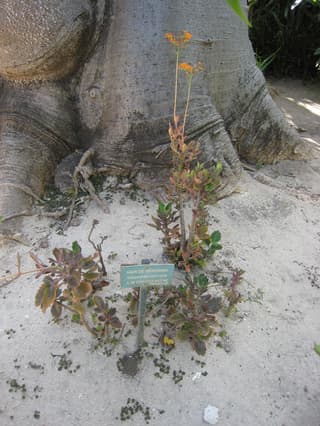
| Christmas Tree Plant | Easy | Bright indirect | 10d | ⚠️ |
Choose & Compare
Sources & References
- Curio talinoides (Narrow-leaf Chalksticks) - World of Succulents
- How to Grow and Care for Curio talinoides - Biology Insights
- Definitive Blue Chalk Sticks Care & Growing Guide - Plant Informer
- Curio talinoides - LLIFLE Encyclopedia of Succulents
- Curio Talinoides Var. Mandraliscae Care Guide - Succulents Network
- Senecio Mandraliscae Info: How To Grow And Care For Blue Chalk Sticks - Plant Care Today
- Senecio Blue Chalk Plant Care - Gardening Know How