Amaryllidaceae
Slender False Garlic: Edible Plant
Nothoscordum gracile
An extremely resilient plant that prefers full sun and well-drained soil. It requires little maintenance beyond controlling its spread.
Every 12 days
Direct sun
-12° - 38°C
40% - 60%
Categories
What is Slender False Garlic?
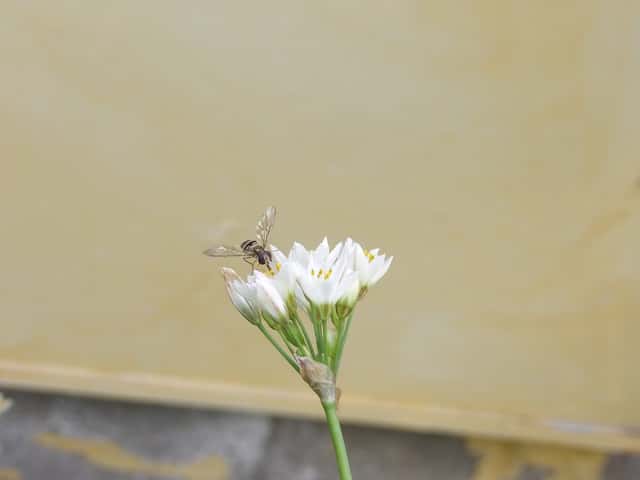
Slender False Garlic (Nothoscordum gracile) is a easy-care plant from the Amaryllidaceae family. Nothoscordum gracile, known as slender false garlic, is a perennial bulbous plant appreciated for its delicate, bell-shaped white flowers that emit a soft fragrance. Although native to the Americas and cultivated as an ornamental, its high dispersal capacity through seeds and small lateral bulblets...
Slender False Garlic grows up to 60cm, spread of 45cm, watering every 12 days, -12°C – 38°C, 40–60% humidity. It is suitable for indoor environments and not safe for pets.
Unlike many tropical plants, Slender False Garlic tolerates watering mistakes. Best for beginners. Without precautions, ingestion can cause irritation in pets. Keep out of reach of cats and dogs. Without adequate drainage, root rot can develop within 24 days.
How to Care for Slender False Garlic?
TLDR: Slender False Garlic needs Direct sun, watering every 12 days, and temperatures between -12-38°C with 40-60% humidity.
How Often Should You Water Slender False Garlic?
Water regularly during the growing season, but drastically reduce watering in winter when the plant enters dormancy.
How Much Light Does Slender False Garlic Need?
For more intense blooming, place the plant in a location that receives at least 6 hours of direct sunlight per day.
What Is the Best Soil for Slender False Garlic?
Prefers light, sandy soils that do not collect water, preventing root rot.
What Pot Should You Use for Slender False Garlic?
Terracotta or ceramic pots with good drainage are ideal for preventing bulb rot.
Care Schedule
Fertilize
Every 28 days
Repot
Every 365 days
What Is Slender False Garlic and Where Does It Come From?
Nothoscordum gracile, known as slender false garlic, is a perennial bulbous plant appreciated for its delicate, bell-shaped white flowers that emit a soft fragrance. Although native to the Americas and cultivated as an ornamental, its high dispersal capacity through seeds and small lateral bulblets often causes it to be seen as an invasive plant in gardens and lawns. Its leaves are long, narrow, and vibrant green, resembling those of common garlic but without the characteristic strong odor.
How to Propagate Slender False Garlic?
Bulb Division
- This is the fastest form of propagation, as the plant naturally produces many bulbs.
- 1 Digging Up
Carefully remove the plant from the soil, ensuring the bulbs are not damaged.
- 2 Separation
Detach the small lateral bulbs (bulblets) that grow around the main bulb.
- 3 Replanting
Plant the new bulbs in light soil at a depth of about 3 to 5 cm.
Materials needed:
Sowing
- Seeds germinate easily, which can make the plant invasive if spent flowers are not removed.
- 1 Collection
Harvest the mature black seeds from the capsules after flowering.
- 2 Sowing
Spread the seeds over a light substrate and cover with a thin layer of soil.
- 3 Moisture
Keep the soil constantly moist, but not waterlogged, until germination.
Materials needed:
How Big Does Slender False Garlic Grow?
TLDR: Slender False Garlic can reach up to 60cm tall with Fast growth rate.
Max height
60cm
Spread
45cm
Growth rate
Fast
Foliage
Deciduous
Warning: Toxic Plant
This plant can be toxic if ingested. Keep out of reach of:
Plant Uses
Ornamental
Great for decoration
Edible
Can be consumed
Medicinal
Medicinal properties
Is your plant showing symptoms?
Click on the symptom to discover possible causes:
What Diseases Commonly Affect Slender False Garlic?
TLDR: Slender False Garlic is susceptible to 7 known diseases. Monitor regularly for early detection.
Root Rot
Root rot is a serious fungal disease that affects the root system of plants, causing them to decay and die. It is primarily caused by overwatering, poor drainage, or soil-borne fungi such as Pythium, Phytophthora, Rhizoctonia, and Fusarium. The disease thrives in waterlogged conditions where roots are deprived of oxygen, making them susceptible to fungal infection.
Overwatering
Overwatering occurs when plants receive too much water, depriving roots of oxygen and causing root rot. This environmental stress is one of the most common causes of houseplant death, as waterlogged soil prevents roots from breathing and functioning properly.
Spider Mites
Spider mites are tiny arachnids (less than 1/20 inch long) related to spiders and ticks that feed on plant sap. They thrive in hot, dry conditions and can cause significant damage to ornamental and vegetable plants. During severe infestations, crop losses can reach 14% or higher as these pests disrupt vital plant processes including photosynthesis, carbon dioxide absorption, and transpiration.
Scale Insects
Scale insects are small sap-sucking pests that appear as brown, shell-like bumps on plant stems and leaves. There are over 25 species, divided into armored (hard) and unarmored (soft) scales. They feed by piercing plant tissue and extracting sap, which weakens the plant and can lead to yellowing, stunted growth, and even death if left untreated. They also excrete honeydew, which attracts ants and promotes sooty mold growth.
Meaning & Symbolism
Represents persistence and vital force due to its ability to thrive in poor soils and adverse conditions.
Compare with similar plants
| Attribute | Difficulty | Light | Watering | Pet Safe |
|---|---|---|---|---|
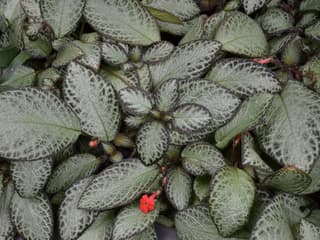
| Flame Violet | Easy | Partial shade | 7d | ✓ |
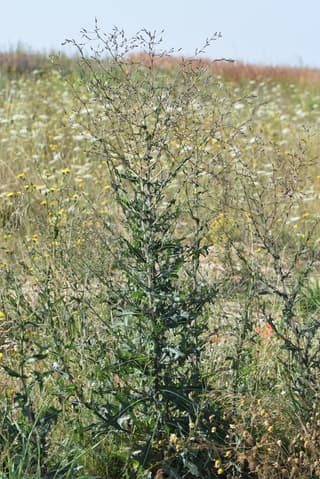
| Prickly Lettuce | Easy | Direct sun | 7d | ✓ |
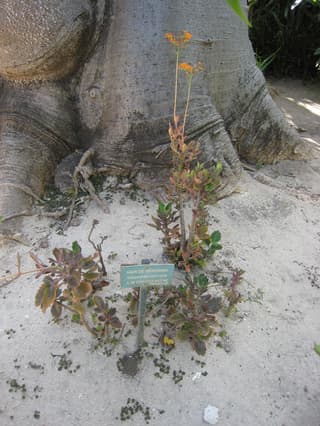
| Christmas Tree Plant | Easy | Bright indirect | 10d | ⚠️ |
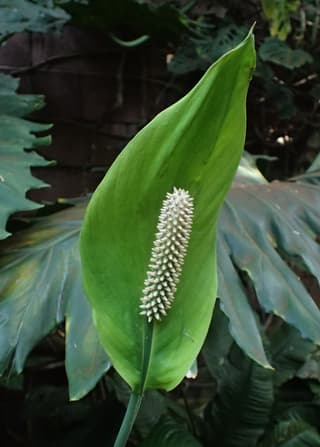
| Peace Lily | Easy | Low light | 7d | ⚠️ |