Poaceae
Slender Weavers Bamboo: Fast Growing
Bambusa textilis gracili
Slender Weavers Bamboo is an easy-to-grow, low-maintenance plant. It thrives in full sun but tolerates partial shade. Water regularly after planting until established (3-6 months), then reduce watering as it becomes drought tolerant. Fertilize every 3 months with a balanced slow-release fertilizer and prune annually in winter to remove old culms and maintain a tidy appearance.
Every 3 days
Bright indirect
5° - 38°C
40% - 80%
Categories
What is Slender Weavers Bamboo?
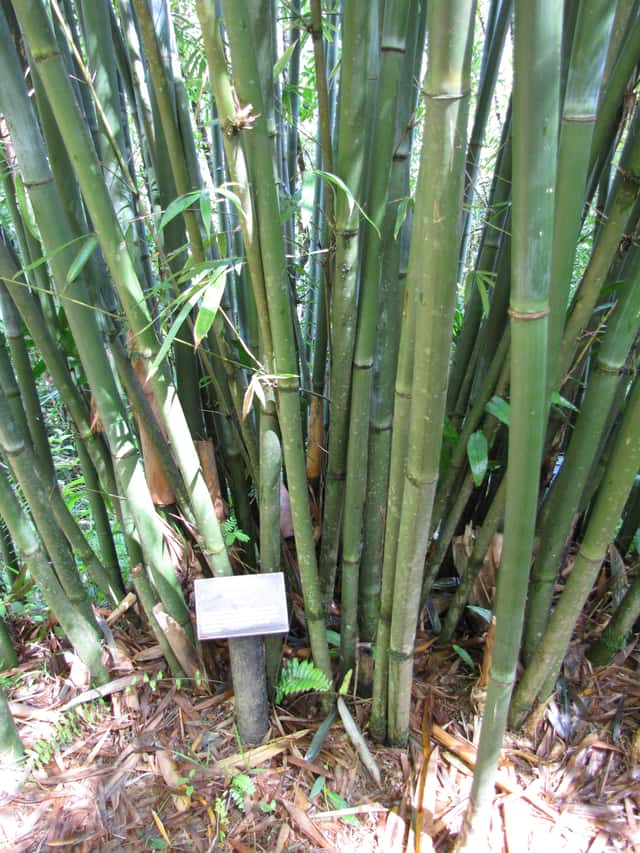
Slender Weavers Bamboo (Bambusa textilis gracili) is a easy-care plant from the Poaceae family. Slender Weavers Bamboo (Bambusa textilis gracili) is a clumping bamboo native to southern China, prized for its elegant, upright culms that can reach up to 9 meters tall. Unlike running bamboos, it forms compact, non-invasive clumps with culms up to 3 cm in diameter and a spread of only 2 meters. It...
Slender Weavers Bamboo grows up to 9.0m, with spread of 200cm, watering every 3 days, 5°C – 38°C, 40–80% humidity. It is not suitable for indoor environments and safe for pets.
Unlike many tropical plants, Slender Weavers Bamboo tolerates watering mistakes. Best for beginners. Unlike many popular species, Slender Weavers Bamboo is safe to keep around pets.
How to Care for Slender Weavers Bamboo?
TLDR: Slender Weavers Bamboo needs Bright indirect, watering every 3 days, and temperatures between 5-38°C with 40-80% humidity.
How Often Should You Water Slender Weavers Bamboo?
Water daily for the first few weeks after planting. Once established, water every 3 days during hot weather or when the top layer of soil begins to dry out. Established plants are drought tolerant but will grow more vigorously with consistent moisture.
How Much Light Does Slender Weavers Bamboo Need?
Thrives in full sun with at least 6 hours of direct sunlight per day. Tolerates partial shade, but growth will be slower and culms less robust. Avoid full shade conditions.
What Is the Best Soil for Slender Weavers Bamboo?
Plant in fertile, well-draining soil enriched with organic compost. Avoid waterlogged or heavy clay soils. Mulch around the base to retain moisture and suppress weeds. Ideal soil pH is between 5.5 and 7.0.
What Pot Should You Use for Slender Weavers Bamboo?
Plant directly in the ground, as Slender Weavers Bamboo is a large outdoor plant. For temporary decorative use, choose a large container (minimum 50 liters) made of ceramic or durable plastic with adequate drainage holes.
Care Schedule
Fertilize
Every 90 days
What Is Slender Weavers Bamboo and Where Does It Come From?
Slender Weavers Bamboo (Bambusa textilis gracili) is a clumping bamboo native to southern China, prized for its elegant, upright culms that can reach up to 9 meters tall. Unlike running bamboos, it forms compact, non-invasive clumps with culms up to 3 cm in diameter and a spread of only 2 meters. It is one of the most popular bamboos for privacy screens, hedges, and tropical garden landscaping worldwide. Its fast growth rate, low maintenance needs, and non-invasive root system make it an ideal choice for both residential and commercial gardens.
How to Propagate Slender Weavers Bamboo?
Clump Division
Divide in early spring before new shoots emerge. Keep at least 3-5 culms per division to ensure successful establishment.
- 1 Choose timing
Divide in early spring before new shoot growth begins for best results.
- 2 Excavate
Dig around the clump and separate a section with roots and 3-5 culms using a sharp spade or mattock.
- 3 Replant
Plant immediately in the permanent location with enriched soil at the same depth.
- 4 Establish
Water abundantly for the first 4-6 weeks until the division is fully established.
Materials needed:
How Big Does Slender Weavers Bamboo Grow?
TLDR: Slender Weavers Bamboo can reach up to 9.0m tall with Fast growth rate.
Max height
9.0m
Spread
2.0m
Growth rate
Fast
Foliage
Evergreen
Plant Uses
Ornamental
Great for decoration
Is your plant showing symptoms?
Click on the symptom to discover possible causes:
What Diseases Commonly Affect Slender Weavers Bamboo?
TLDR: Slender Weavers Bamboo is susceptible to 8 known diseases. Monitor regularly for early detection.
Root Rot
Root rot is a serious fungal disease that affects the root system of plants, causing them to decay and die. It is primarily caused by overwatering, poor drainage, or soil-borne fungi such as Pythium, Phytophthora, Rhizoctonia, and Fusarium. The disease thrives in waterlogged conditions where roots are deprived of oxygen, making them susceptible to fungal infection.
Rust
Rust is a common fungal disease caused by fungi in the order Pucciniales that affects a wide variety of plants. The disease gets its name from the characteristic orange, yellow, or reddish-brown pustules that appear on leaves, resembling metal rust. This obligate fungal parasite requires living plants to survive and can cause significant economic losses in agricultural crops.
Aphids
Aphids are small, soft-bodied, pear-shaped insects (1/16 to 1/8 inch long) that feed by sucking nutrient-rich sap from plants. They reproduce rapidly and can quickly weaken plants, causing distorted growth and transmitting plant viruses. Aphids come in various colors including green, black, red, yellow, brown, and gray. They secrete honeydew, a sticky substance that attracts ants and encourages sooty mold growth.
Spider Mites
Spider mites are tiny arachnids (less than 1/20 inch long) related to spiders and ticks that feed on plant sap. They thrive in hot, dry conditions and can cause significant damage to ornamental and vegetable plants. During severe infestations, crop losses can reach 14% or higher as these pests disrupt vital plant processes including photosynthesis, carbon dioxide absorption, and transpiration.
Meaning & Symbolism
In East Asian culture, bamboo symbolizes flexibility, resilience, and prosperity — the ability to bend in the wind without breaking.
Fun Facts
Slender Weavers Bamboo is one of the fastest-growing plants on Earth — its new shoots can elongate up to 30 cm per day during peak spring growth.
Despite reaching up to 9 meters tall, it is considered a "dwarf" bamboo compared to giant species in the Bambusa genus that can exceed 20 meters.
Bamboo sequesters carbon up to 35% faster than most fast-growing trees, making it a sustainable choice for eco-conscious landscaping.
The culms of Bambusa textilis have been traditionally used for weaving baskets and mats in China — the species name "textilis" means "woven" in Latin.
Frequently asked questions
Is Slender Weavers Bamboo invasive?
How fast does Slender Weavers Bamboo grow?
Is Slender Weavers Bamboo toxic to pets?
What spacing should I use for a privacy hedge?
How do I maintain Slender Weavers Bamboo?
Compare with similar plants
| Attribute | Difficulty | Light | Watering | Pet Safe |
|---|---|---|---|---|
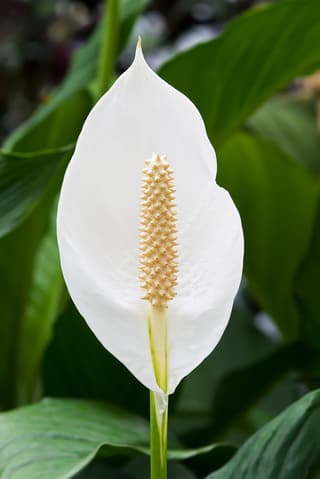
| Peace Lily | Easy | Low light | 4d | ⚠️ |
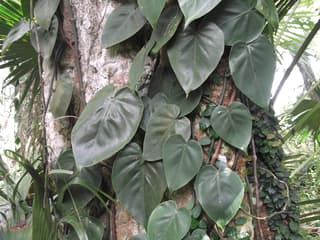
| Swiss Cheese Plant | Easy | Partial shade | 10d | ⚠️ |
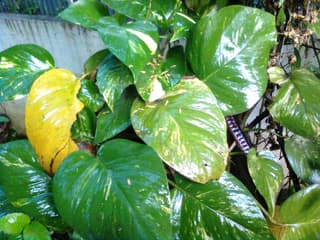
| Golden Pothos | Easy | Low light | 8d | ⚠️ |
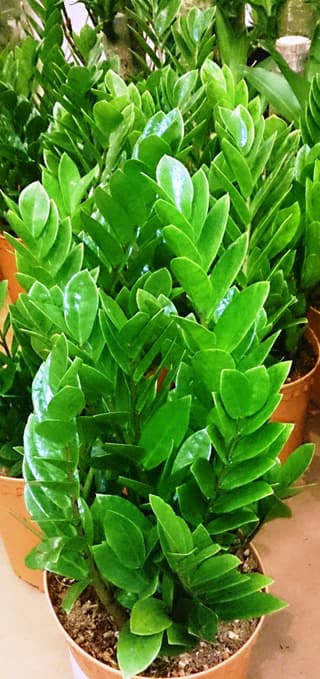
| ZZ Plant | Easy | Low light | 18d | ⚠️ |