Phyllanthaceae
Snowbush: Fast Growing
Breynia disticha
An easy-to-grow tropical plant that requires bright indirect light, high humidity (60–80%), and well-drained, slightly acidic soil. Regular watering every 5 days, keeping the substrate moist without waterlogging. Bi-weekly fertilization during spring and summer. Periodic light pruning to maintain shape and stimulate colorful new growth.
Every 5 days
Bright indirect
10° - 27°C
60% - 80%
Categories
What is Snowbush?
Snowbush (Breynia disticha) is a easy-care plant from the Phyllanthaceae family. Breynia disticha, commonly known as Snowbush or Breynia, is a tropical evergreen shrub native to the Pacific Islands. Its lush, multicolored foliage—featuring oval leaves in shades of green, creamy white, pink, and burgundy—is its hallmark. The white-tipped branches evoke a delicate layer of snow, h...
Snowbush grows up to 1.8m, spread of 120cm, watering every 5 days, 10°C – 27°C, 60–80% humidity. It is suitable for indoor environments and not safe for pets.
Unlike many tropical plants, Snowbush tolerates watering mistakes. Best for beginners. Without precautions, ingestion can cause irritation in pets. Keep out of reach of cats and dogs. Without adequate drainage, root rot can develop within 10 days.
How to Care for Snowbush?
TLDR: Snowbush needs Bright indirect, watering every 5 days, and temperatures between 10-27°C with 60-80% humidity.
How Often Should You Water Snowbush?
Water every 5 days or as soon as the top inch of soil begins to dry. Use room temperature water or rainwater. Avoid waterlogging—soggy soil causes root rot quickly. Reduce frequency during the cooler months.
How Much Light Does Snowbush Need?
Place in a location with bright, indirect light, receiving 4 to 6 hours of filtered sun per day. Insufficient light causes the leaves to lose their variegation and become predominantly green. Avoid strong direct midday sun, which can burn the leaves.
What Is the Best Soil for Snowbush?
Prefers well-drained, fertile, and slightly acidic soil (pH 5.5–6.5). Mix potting soil with perlite and peat moss in equal parts to ensure proper drainage and moisture retention. Always use pots with drainage holes.
What Pot Should You Use for Snowbush?
Glazed ceramic, plastic, or fiberglass pots with generous drainage holes. Avoid unglazed terracotta pots, which dry out the substrate quickly. The pot should be changed every 2 years or when roots begin to emerge from the drainage holes.
Care Schedule
Fertilize
Every 14 days
Misting
Every 2 days
Rotate
Every 7 days
Repot
Every 730 days
What Is Snowbush and Where Does It Come From?
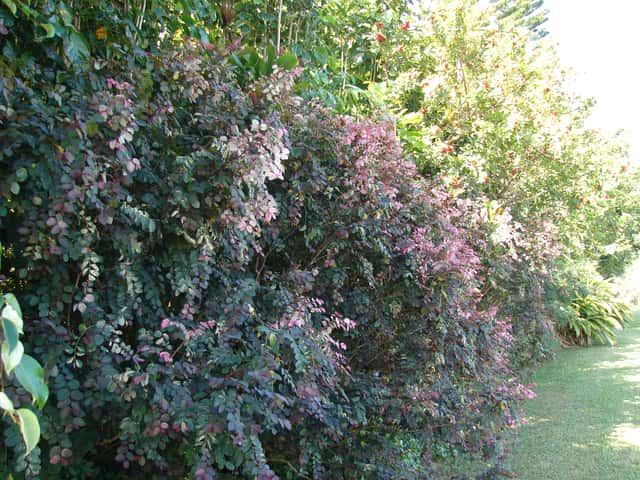
Breynia disticha, commonly known as Snowbush or Breynia, is a tropical evergreen shrub native to the Pacific Islands. Its lush, multicolored foliage—featuring oval leaves in shades of green, creamy white, pink, and burgundy—is its hallmark. The white-tipped branches evoke a delicate layer of snow, hence the name "Snowbush." A fast-growing plant, it can reach between 3 and 6 feet in height in tropical and subtropical gardens, being widely used as a hedge, border, or focal point in decorative pots. Its small, inconspicuous green flowers bloom in summer. Ideal for warm, humid climates, it requires high light and humidity to display its full color splendor.
How to Propagate Snowbush?
Stem cutting
- Avoid direct sun during the rooting process.
- Roots develop in 3–4 weeks; test gently before transplanting.
- Soil temperature of 72–77°F (22–25°C) significantly accelerates rooting.
- 1 Cutting Selection
Choose a healthy semi-woody stem 4–6 inches long with 2–3 nodes. Make the cut at a 45° angle using sterilized shears.
- 2 Preparation
Remove the leaves from the bottom 2/3 of the stem. Dip the base in rooting hormone powder or gel for 10 minutes.
- 3 Planting
Plant in a moist, light substrate (perlite + peat moss). Firm the soil around the base to eliminate air pockets.
- 4 Maintenance
Cover with a clear plastic bag or dome to create high humidity (mini-greenhouse). Keep in a warm spot (72–77°F) with indirect light. Vent briefly every 2 days to prevent mold.
Materials needed:
How Big Does Snowbush Grow?
TLDR: Snowbush can reach up to 1.8m tall with Fast growth rate.
Max height
1.8m
Spread
1.2m
Growth rate
Fast
Foliage
Evergreen
Warning: Toxic Plant
This plant can be toxic if ingested. Keep out of reach of:
Plant Uses
Ornamental
Great for decoration
Medicinal Uses
- Traditional use in some Polynesian cultures as an external astringent for minor wounds
- Leaves used in topical preparations in Pacific folk medicine—usage without established scientific evidence
Is your plant showing symptoms?
Click on the symptom to discover possible causes:
What Diseases Commonly Affect Snowbush?
TLDR: Snowbush is susceptible to 6 known diseases. Monitor regularly for early detection.
Root Rot
Root rot is a serious fungal disease that affects the root system of plants, causing them to decay and die. It is primarily caused by overwatering, poor drainage, or soil-borne fungi such as Pythium, Phytophthora, Rhizoctonia, and Fusarium. The disease thrives in waterlogged conditions where roots are deprived of oxygen, making them susceptible to fungal infection.
Spider Mites
Spider mites are tiny arachnids (less than 1/20 inch long) related to spiders and ticks that feed on plant sap. They thrive in hot, dry conditions and can cause significant damage to ornamental and vegetable plants. During severe infestations, crop losses can reach 14% or higher as these pests disrupt vital plant processes including photosynthesis, carbon dioxide absorption, and transpiration.
Mealybugs
Mealybugs are small, soft-bodied insects covered with a white, waxy, cottony material. They are common pests of houseplants and outdoor plants in mild climates. These sap-sucking insects feed on plant tissue, causing damage, stunted growth, and can lead to plant death if left untreated. They produce sticky honeydew which attracts sooty mold.
Leaf Spot
Leaf spot is a common fungal disease caused by various pathogens including Alternaria, Ascochyta, Colletotrichum, Septoria, and Venturia. It primarily affects leaves, causing discolored spots that can lead to premature leaf drop if left untreated.
Meaning & Symbolism
The multicolored leaves of the Snowbush symbolize diversity, joy, and renewal. In Polynesian culture, the plant represents the exuberance of tropical nature and harmony between different elements. Its "snowy" appearance is associated with purity and transformation.
Compare with similar plants
| Attribute | Difficulty | Light | Watering | Pet Safe |
|---|---|---|---|---|
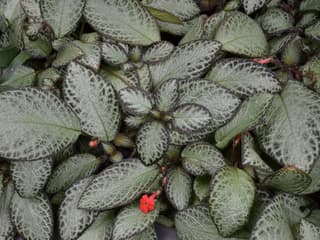
| Flame Violet | Easy | Partial shade | 7d | ✓ |
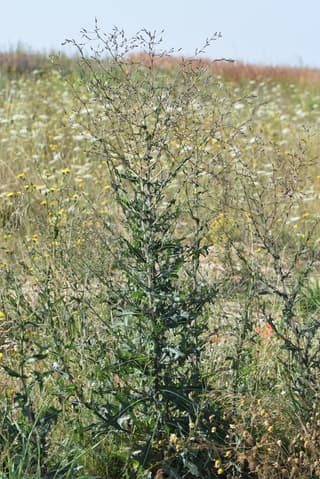
| Prickly Lettuce | Easy | Direct sun | 7d | ✓ |
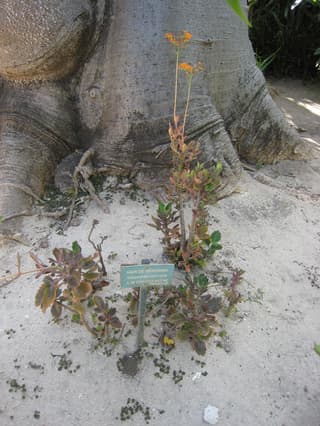
| Christmas Tree Plant | Easy | Bright indirect | 10d | ⚠️ |
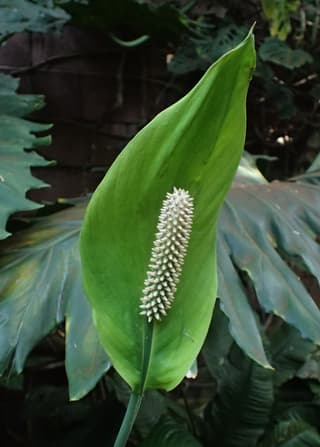
| Peace Lily | Easy | Low light | 7d | ⚠️ |