Magnoliaceae
Southern Magnolia (Magnolia grandiflora): Complete Care Guide
Magnolia grandiflora
Low-maintenance outdoor tree. Thrives in full sun with moderate watering and slightly acidic, well-drained soil. Drought-tolerant once established. Best suited as a specimen or shade tree in large gardens.
Every 10 days
Direct sun
-18° - 38°C
50% - 80%
Categories
What is Southern Magnolia?
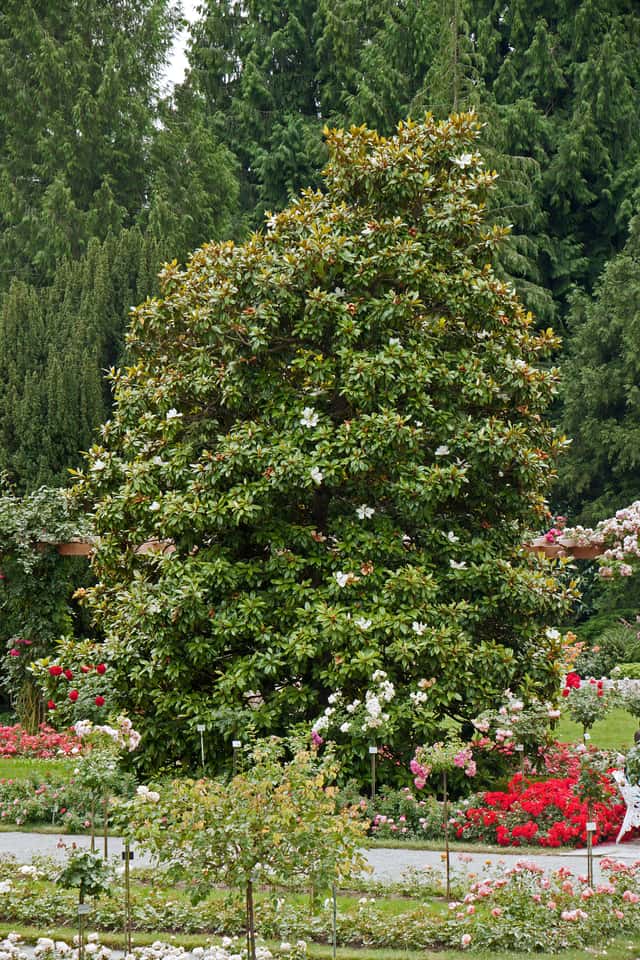
Southern Magnolia (Magnolia grandiflora) is a easy-care plant from the Magnoliaceae family. Magnolia grandiflora, the Southern Magnolia or Bull Bay, is a majestic evergreen tree native to the southeastern United States. It is celebrated for its enormous creamy-white fragrant flowers up to 30 cm across, glossy dark green leaves with distinctive rust-colored undersides, and impressive statur...
Southern Magnolia grows up to 24.0m, spread of 1500cm, watering every 10 days, -18°C – 38°C, 50–80% humidity. It is not suitable for indoor environments and safe for pets.
Unlike many tropical plants, Southern Magnolia tolerates watering mistakes. Best for beginners. Unlike many popular species, Southern Magnolia is safe to keep around pets.
How to Care for Southern Magnolia?
TLDR: Southern Magnolia needs Direct sun, watering every 10 days, and temperatures between -18-38°C with 50-80% humidity.
How Often Should You Water Southern Magnolia?
Water deeply every 10 days for newly planted trees. Once established (2-3 years), Southern Magnolia is drought-tolerant — only supplement during extended dry spells. Avoid waterlogged soil to prevent root rot.
How Much Light Does Southern Magnolia Need?
Plant in full sun with at least 4 hours of direct sunlight daily. More sun encourages abundant flowering. Tolerates partial shade but flowering may be reduced.
What Is the Best Soil for Southern Magnolia?
Prefers moist, well-drained loamy soil with slightly acidic pH (5.0–6.5). Adapts to clay and sandy soils. Mulch around the base to retain moisture, keeping mulch away from the trunk.
What Pot Should You Use for Southern Magnolia?
Outdoor tree only — not suitable for containers except in early juvenile stage. Plant in a spacious garden location with good drainage.
Care Schedule
Fertilize
Every 90 days
What Is Southern Magnolia and Where Does It Come From?
Magnolia grandiflora, the Southern Magnolia or Bull Bay, is a majestic evergreen tree native to the southeastern United States. It is celebrated for its enormous creamy-white fragrant flowers up to 30 cm across, glossy dark green leaves with distinctive rust-colored undersides, and impressive stature reaching up to 24 meters tall.
How to Propagate Southern Magnolia?
Seed propagation
Cold stratification is essential to break dormancy. Use sterile substrate to prevent fungal issues.
- 1 Collect ripe red seeds from cone-like fruit
- 2 Remove pulp and clean seeds thoroughly
- 3 Cold-stratify at 0-5°C for 3-6 months
- 4 Sow in moist, well-draining seed mix
- 5 Keep in warm, bright location until germination
Materials needed:
Semi-hardwood cutting
Use healthy cuttings and sterilized tools. Maintain consistent moisture without waterlogging.
- 1 Take 15-20 cm semi-hardwood cuttings in summer
- 2 Remove lower leaves, keeping 2-3 at the top
- 3 Dip base in rooting hormone powder
- 4 Plant in well-draining moist substrate
- 5 Maintain warm, humid environment with indirect light
Materials needed:
How Big Does Southern Magnolia Grow?
TLDR: Southern Magnolia can reach up to 24.0m tall with Medium growth rate.
Max height
24.0m
Spread
15.0m
Growth rate
Medium
Foliage
Evergreen
Plant Uses
Ornamental
Great for decoration
Is your plant showing symptoms?
Click on the symptom to discover possible causes:
What Diseases Commonly Affect Southern Magnolia?
TLDR: Southern Magnolia is susceptible to 8 known diseases. Monitor regularly for early detection.
Leaf Spot
Leaf spot is a common fungal disease caused by various pathogens including Alternaria, Ascochyta, Colletotrichum, Septoria, and Venturia. It primarily affects leaves, causing discolored spots that can lead to premature leaf drop if left untreated.
Gray Mold (Botrytis Blight)
Gray mold, caused by the fungus Botrytis cinerea, is one of the most common fungal diseases in plants. It affects over 200 plant species, including ornamentals, vegetables, fruits, and houseplants. The disease thrives in cool, humid conditions with poor air circulation, causing grayish spots and soft rot on infected tissues.
Canker
Canker is a disease caused by various fungi and bacteria that create necrotic, sunken areas on bark of branches, stems, and trunks. Pathogens enter through wounds and natural openings, especially when plants are stressed. Canker can gradually weaken or kill branches by disrupting water and nutrient flow.
Root Rot
Root rot is a serious fungal disease that affects the root system of plants, causing them to decay and die. It is primarily caused by overwatering, poor drainage, or soil-borne fungi such as Pythium, Phytophthora, Rhizoctonia, and Fusarium. The disease thrives in waterlogged conditions where roots are deprived of oxygen, making them susceptible to fungal infection.
Meaning & Symbolism
Symbol of endurance, beauty, and Southern charm. In American Southern culture it represents timeless elegance and tradition.
Fun Facts
Can reach 24 meters tall and live for over 100 years
Individual flowers can reach 30 cm across — among the largest in the plant kingdom
The flowers emit a rich, sweet fragrance with lemony notes
It is the state tree of both Mississippi and Louisiana
Frequently asked questions
How often should I water Southern Magnolia?
Is Southern Magnolia toxic to pets?
How long until Southern Magnolia blooms?
Can Southern Magnolia grow in a pot?
When does Southern Magnolia flower?
Compare with similar plants
| Attribute | Difficulty | Light | Watering | Pet Safe |
|---|---|---|---|---|
| Field Maple | Easy | Bright indirect | 14d | ✓ |
| Silver Birch | Easy | Direct sun | 14d | ✓ |
| Cushion Bush | Easy | Direct sun | 14d | ✓ |
| Peruvian peppertree | Easy | Direct sun | 14d | ⚠️ |





