Orchidaceae
Spider Orchid (Brassia caudata): Complete Care Guide
Brassia caudata
A challenging orchid requiring careful attention to humidity, airflow, and watering. Needs bright indirect light (10,000-30,000 lux), high humidity of 60-90%, temperatures between 14-27°C, and a well-draining bark-based medium. A rest period after flowering is beneficial.
Every 5 days
Partial shade
14° - 27°C
60% - 90%
Categories
What is Spider Orchid?
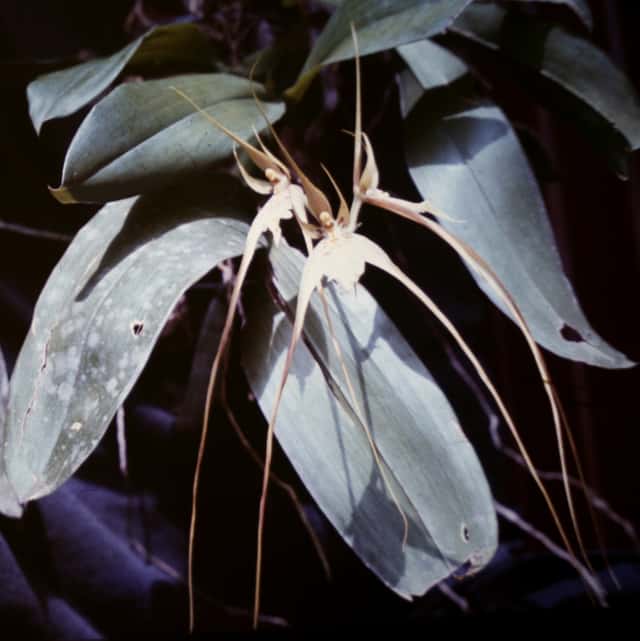
Spider Orchid (Brassia caudata) is a hard-care plant from the Orchidaceae family. Brassia caudata, commonly known as the Spider Orchid, is a neotropical epiphytic orchid native to southern Mexico, Central America, the Caribbean, and northern South America. Its striking flowers feature long, spider-leg-like sepals and petals in yellow with brown markings, reaching up to 15 cm in l...
Spider Orchid grows up to 50cm, spread of 50cm, watering every 5 days, 14°C – 27°C, 60–90% humidity. It is suitable for indoor environments and safe for pets.
Unlike easy-care plants, Spider Orchid demands constant attention to humidity and light. Not recommended for beginners. Unlike many popular species, Spider Orchid is safe to keep around pets. Without adequate drainage, root rot can develop within 10 days.
How to Care for Spider Orchid?
TLDR: Spider Orchid needs Partial shade, watering every 5 days, and temperatures between 14-27°C with 60-90% humidity.
How Often Should You Water Spider Orchid?
Water every 4-6 days, allowing the medium to nearly dry between waterings. In summer, water 2-3 times per week during active growth; in winter, reduce to every 7-10 days. Never let roots stay waterlogged.
How Much Light Does Spider Orchid Need?
Provide bright, indirect light of 10,000-30,000 lux. Avoid direct sun which can scorch leaves. East or west-facing windows are ideal; filter south-facing light with a sheer curtain.
What Is the Best Soil for Spider Orchid?
Use orchid-specific bark mix: medium conifer bark with sphagnum moss and charcoal for drainage. Never use regular potting soil. Repot every 2 years or when the medium breaks down.
What Pot Should You Use for Spider Orchid?
Clay or plastic pot with multiple drainage holes, or a wooden basket. Elevate the pot to allow the pendant flower spikes to hang freely.
Care Schedule
Fertilize
Every 30 days
Misting
Every 2 days
Repot
Every 730 days
What Is Spider Orchid and Where Does It Come From?
Brassia caudata, commonly known as the Spider Orchid, is a neotropical epiphytic orchid native to southern Mexico, Central America, the Caribbean, and northern South America. Its striking flowers feature long, spider-leg-like sepals and petals in yellow with brown markings, reaching up to 15 cm in length. It is a slow-growing evergreen perennial that blooms primarily in spring and summer.
How to Propagate Spider Orchid?
Pseudobulb Division
Divide only when the plant has at least 6-8 pseudobulbs. Always use sterilized tools to prevent disease spread.
- 1 Carefully remove the plant from its pot
- 2 Identify healthy groups of 3-4 pseudobulbs
- 3 Cut with a sterilized blade separating the groups
- 4 Dust cuts with cinnamon powder to prevent infection
- 5 Plant each division in fresh bark medium
- 6 Keep moist and shaded for 2-3 weeks
Materials needed:
Seed Propagation
This method is complex and typically done in a laboratory setting. Division is far more practical for home growers.
- 1 Orchid seeds require mycorrhizal fungi or sterile culture medium to germinate
- 2 Sow in sterile Knudson C culture medium
- 3 Maintain in controlled environment with indirect light
- 4 Await germination over 3-9 months
- 5 Transplant seedlings when they reach 2-3 cm
Materials needed:
How Big Does Spider Orchid Grow?
TLDR: Spider Orchid can reach up to 50cm tall with Slow growth rate.
Max height
50cm
Spread
50cm
Growth rate
Slow
Foliage
Evergreen
Plant Uses
Ornamental
Great for decoration
Is your plant showing symptoms?
Click on the symptom to discover possible causes:
What Diseases Commonly Affect Spider Orchid?
TLDR: Spider Orchid is susceptible to 9 known diseases. Monitor regularly for early detection.
Root Rot
Root rot is a serious fungal disease that affects the root system of plants, causing them to decay and die. It is primarily caused by overwatering, poor drainage, or soil-borne fungi such as Pythium, Phytophthora, Rhizoctonia, and Fusarium. The disease thrives in waterlogged conditions where roots are deprived of oxygen, making them susceptible to fungal infection.
Overwatering
Overwatering occurs when plants receive too much water, depriving roots of oxygen and causing root rot. This environmental stress is one of the most common causes of houseplant death, as waterlogged soil prevents roots from breathing and functioning properly.
Gray Mold (Botrytis Blight)
Gray mold, caused by the fungus Botrytis cinerea, is one of the most common fungal diseases in plants. It affects over 200 plant species, including ornamentals, vegetables, fruits, and houseplants. The disease thrives in cool, humid conditions with poor air circulation, causing grayish spots and soft rot on infected tissues.
Anthracnose
Anthracnose is a fungal disease caused by fungi in the genus Colletotrichum that affects many plants, including vegetables, fruits, and trees. The disease thrives in cool, wet conditions, causing dark, sunken lesions on leaves, stems, flowers, and fruits.
Meaning & Symbolism
Exotic elegance and tropical delicacy
Fun Facts
Brassia caudata flowers can reach 15 cm in length, mimicking spider legs to attract specific pollinators
Carpenter bees (Xylocopa) are the primary pollinators — they mistake the flowers for spiders and attempt to attack them
It is an epiphytic orchid, growing naturally on trees without parasitizing them, using them only for support and light
It can take 5-8 years to reach full maturity and bloom reliably
Frequently asked questions
How often should I water the Spider Orchid?
What light does Brassia caudata need?
Is the Spider Orchid toxic to pets?
Why are my Spider Orchid leaves turning yellow?
When does Brassia caudata bloom?
Compare with similar plants
| Attribute | Difficulty | Light | Watering | Pet Safe |
|---|---|---|---|---|
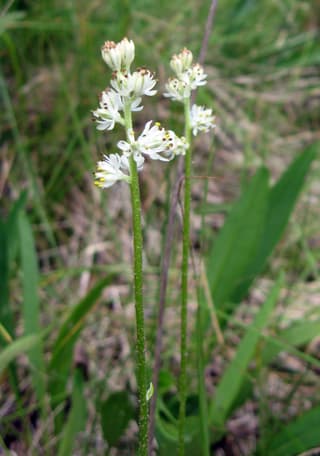
| Sticky false asphodel | Hard | Bright indirect | 1d | ✓ |
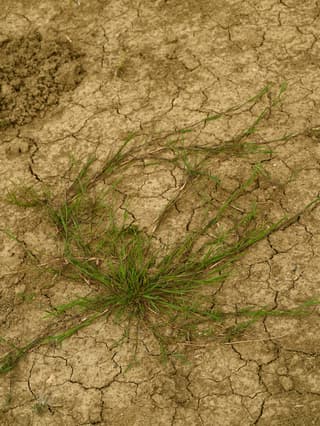
| Creeping bentgrass | Hard | Direct sun | 3d | ✓ |
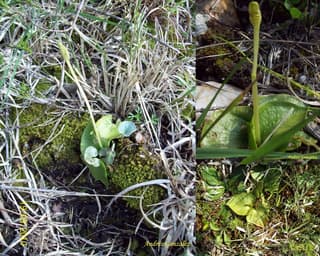
| Bulbous Adder's-tongue | Hard | Partial shade | 4d | ✓ |
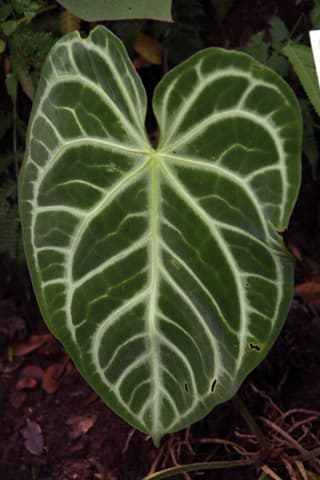
| Crystal Anthurium | Hard | Partial shade | 7d | ⚠️ |