Costaceae
Spiral Ginger: Medicinal Uses & Care Tips
Costus spiralis
Bright indirect light, well-draining organic soil, high humidity. Keep temperatures 65-85°F (18-29°C).
Every 4 days
Partial shade
18° - 29°C
60% - 90%
Categories
What is Spiral Ginger?
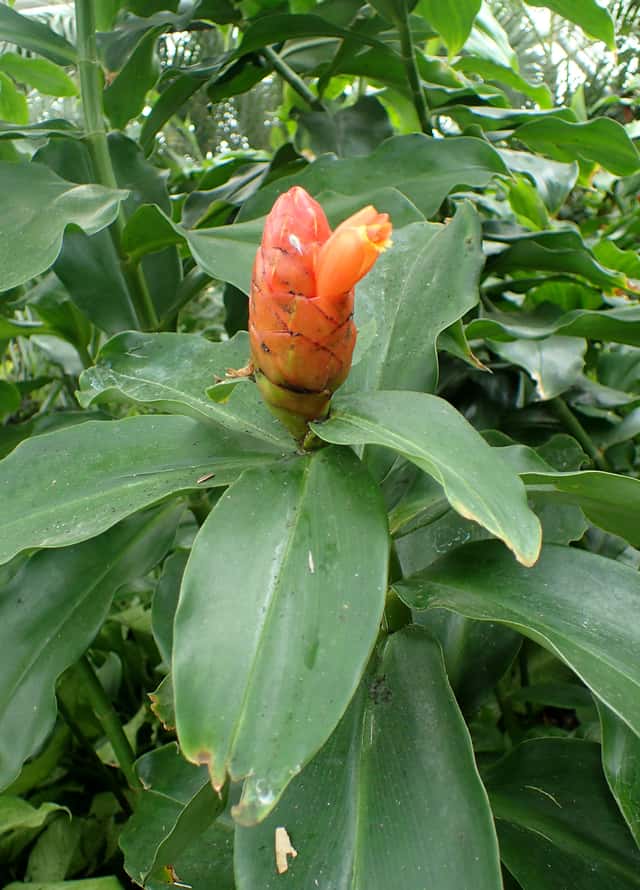
Spiral Ginger (Costus spiralis) is a easy-care plant from the Costaceae family. Costus spiralis is a tropical plant in the Costaceae family, native to South America. It features distinctive spiral stems and tubular red or orange flowers. Popular in tropical gardens and used medicinally.
Spiral Ginger grows up to 2.5m, with spread of 150cm, watering every 4 days, 18°C – 29°C, 60–90% humidity. It is suitable for indoor environments and safe for pets.
Unlike many tropical plants, Spiral Ginger tolerates watering mistakes. Best for beginners. Unlike many popular species, Spiral Ginger is safe to keep around pets. Without adequate drainage, root rot can develop within 8 days.
How to Care for Spiral Ginger?
TLDR: Spiral Ginger needs Partial shade, watering every 4 days, and temperatures between 18-29°C with 60-90% humidity.
How Often Should You Water Spiral Ginger?
Keep soil moist but never waterlogged. Water when top 2-3 cm are dry.
How Much Light Does Spiral Ginger Need?
Bright indirect light; tolerates morning direct sun.
What Is the Best Soil for Spiral Ginger?
Organic-rich, well-draining soil; mix of peat, perlite, and compost works well.
Care Schedule
Fertilize
Every 30 days
Misting
Every 3 days
Rotate
Every 7 days
Repot
Every 730 days
What Is Spiral Ginger and Where Does It Come From?
Costus spiralis is a tropical plant in the Costaceae family, native to South America. It features distinctive spiral stems and tubular red or orange flowers. Popular in tropical gardens and used medicinally.
How Big Does Spiral Ginger Grow?
TLDR: Spiral Ginger can reach up to 2.5m tall with Fast growth rate.
Max height
2.5m
Spread
1.5m
Growth rate
Fast
Foliage
Evergreen
Plant Uses
Ornamental
Great for decoration
Medicinal
Medicinal properties
Is your plant showing symptoms?
Click on the symptom to discover possible causes:
What Diseases Commonly Affect Spiral Ginger?
TLDR: Spiral Ginger is susceptible to 6 known diseases. Monitor regularly for early detection.
Root Rot
Root rot is a serious fungal disease that affects the root system of plants, causing them to decay and die. It is primarily caused by overwatering, poor drainage, or soil-borne fungi such as Pythium, Phytophthora, Rhizoctonia, and Fusarium. The disease thrives in waterlogged conditions where roots are deprived of oxygen, making them susceptible to fungal infection.
Spider Mites
Spider mites are tiny arachnids (less than 1/20 inch long) related to spiders and ticks that feed on plant sap. They thrive in hot, dry conditions and can cause significant damage to ornamental and vegetable plants. During severe infestations, crop losses can reach 14% or higher as these pests disrupt vital plant processes including photosynthesis, carbon dioxide absorption, and transpiration.
Mealybugs
Mealybugs are small, soft-bodied insects covered with a white, waxy, cottony material. They are common pests of houseplants and outdoor plants in mild climates. These sap-sucking insects feed on plant tissue, causing damage, stunted growth, and can lead to plant death if left untreated. They produce sticky honeydew which attracts sooty mold.
Scale Insects
Scale insects are small sap-sucking pests that appear as brown, shell-like bumps on plant stems and leaves. There are over 25 species, divided into armored (hard) and unarmored (soft) scales. They feed by piercing plant tissue and extracting sap, which weakens the plant and can lead to yellowing, stunted growth, and even death if left untreated. They also excrete honeydew, which attracts ants and promotes sooty mold growth.
Compare with similar plants
| Attribute | Difficulty | Light | Watering | Pet Safe |
|---|---|---|---|---|
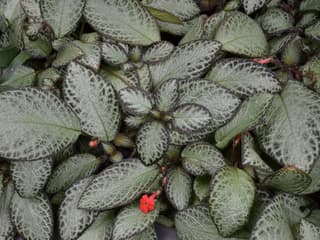
| Flame Violet | Easy | Partial shade | 7d | ✓ |
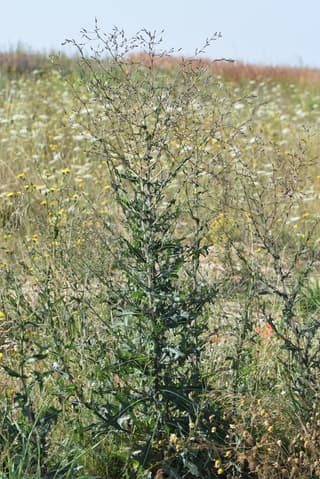
| Prickly Lettuce | Easy | Direct sun | 7d | ✓ |
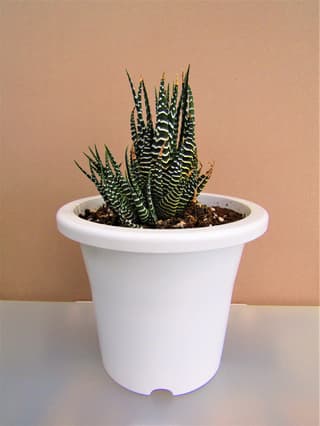
| Haworthiopsis (genus) | Easy | Partial shade | 14d | ✓ |
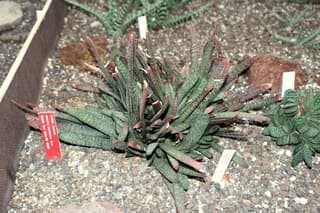
| Gasteria (genus) | Easy | Partial shade | 14d | ✓ |