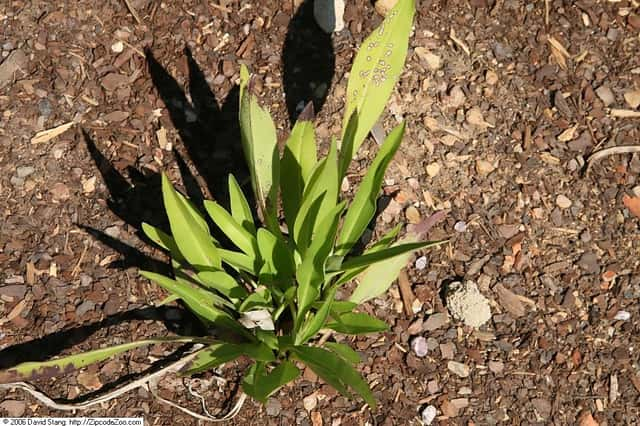
Asteraceae
Stokes' Aster (Stokesia laevis)
Stokesia laevis
Stokes' Aster is an easy-care perennial that thrives in full sun with well-draining soil. Water regularly until established, then reduce watering as the plant becomes drought tolerant. Deadhead spent blooms to extend the flowering season from late spring through summer. Divide clumps every 2–3 years to maintain vigor.
Every 7 days
Bright indirect
-15° - 38°C
40% - 70%
Categories
What is Stokes' Aster?
Stokes' Aster (Stokesia laevis) is a easy-care plant from the Asteraceae family. Stokesia laevis, commonly known as Stokes' Aster, is a herbaceous perennial native to the wetlands, bottomlands, and pine savannas of the southeastern United States. It produces showy, cornflower-like blooms in shades of lavender-blue, purple, white, and pink, making it a beloved addition to native...
Stokes' Aster grows up to 60cm, with spread of 45cm, watering every 7 days, -15°C – 38°C, 40–70% humidity. It is not suitable for indoor environments and safe for pets.
Unlike many tropical plants, Stokes' Aster tolerates watering mistakes. Best for beginners. Unlike many popular species, Stokes' Aster is safe to keep around pets.
How to Care for Stokes' Aster?
TLDR: Stokes' Aster needs Bright indirect, watering every 7 days, and temperatures between -15-38°C with 40-70% humidity.
How Often Should You Water Stokes' Aster?
Water about once a week, providing approximately 1 inch of water. Once established, Stokes' Aster is drought tolerant and requires less frequent watering. Avoid waterlogged soil, which can cause crown or root rot.
How Much Light Does Stokes' Aster Need?
Plant in full sun for best flowering performance. Stokes' Aster tolerates partial shade, especially in warmer climates, but may produce fewer blooms. At least 6 hours of direct sunlight per day is ideal.
What Is the Best Soil for Stokes' Aster?
Prefers light, fertile, well-draining soil with a slightly acidic to neutral pH of 5.2–6.7. Sandy loam is ideal. Avoid heavy clay or consistently wet soils that promote root rot.
What Pot Should You Use for Stokes' Aster?
Terracotta or ceramic pot with drainage holes for container planting; ideal for in-ground border planting.
Care Schedule
Fertilize
Every 90 days
Repot
Every 730 days
What Is Stokes' Aster and Where Does It Come From?
Stokesia laevis, commonly known as Stokes' Aster, is a herbaceous perennial native to the wetlands, bottomlands, and pine savannas of the southeastern United States. It produces showy, cornflower-like blooms in shades of lavender-blue, purple, white, and pink, making it a beloved addition to native and cottage gardens. Despite its origins in moist habitats, it adapts remarkably well to average garden conditions and is notably drought-tolerant once established.
How to Propagate Stokes' Aster?
Clump Division
Divide every 2-3 years to keep plants vigorous and blooming well. Spring division is preferred.
- 1 Dig up the entire clump in early spring or fall
- 2 Separate the clump into sections, each with healthy roots and shoots
- 3 Replant divisions at the same depth as the original plant
- 4 Water thoroughly after replanting
Materials needed:
Seed Propagation
Seeds may need cold stratification to germinate. Direct sowing in autumn is also possible.
- 1 Sow seeds in a cold frame in late winter
- 2 Keep moist at 18-22°C until germination
- 3 Transplant seedlings after the last frost
- 4 Space plants 18-24 inches apart
Materials needed:
How Big Does Stokes' Aster Grow?
TLDR: Stokes' Aster can reach up to 60cm tall with Medium growth rate.
Max height
60cm
Spread
45cm
Growth rate
Medium
Foliage
Semi-evergreen
Plant Uses
Ornamental
Great for decoration
Is your plant showing symptoms?
Click on the symptom to discover possible causes:
What Diseases Commonly Affect Stokes' Aster?
TLDR: Stokes' Aster is susceptible to 6 known diseases. Monitor regularly for early detection.
Fusarium Wilt
Fusarium wilt is a serious fungal disease caused by the soil-borne fungus Fusarium oxysporum. The fungus invades roots and blocks the water-conducting vessels (xylem) of the plant, causing progressive wilting and eventual death. Host-specific forms of the pathogen exist that attack different plant species.
Powdery Mildew
Powdery mildew is a common fungal disease caused by various fungi species including Erysiphe, Podosphaera, Oïdium, and Leveillula. It affects over 10,000 plant species worldwide. The disease thrives in warm, dry climates with high humidity and appears as a distinctive white powdery coating on plant surfaces.
Root Rot
Root rot is a serious fungal disease that affects the root system of plants, causing them to decay and die. It is primarily caused by overwatering, poor drainage, or soil-borne fungi such as Pythium, Phytophthora, Rhizoctonia, and Fusarium. The disease thrives in waterlogged conditions where roots are deprived of oxygen, making them susceptible to fungal infection.
Crown Rot
Crown rot is a serious fungal disease that attacks the crown (base) of the plant where the stem meets the soil. It is caused by various fungal pathogens including Phytophthora, Fusarium, and Rhizoctonia. The disease thrives in waterlogged conditions and can quickly spread to kill the entire plant if not addressed promptly.
Meaning & Symbolism
Named in honor of British physician Jonathan Stokes, this flower symbolizes resilience, natural beauty, and a deep connection to the southeastern American landscape.
Fun Facts
Stokesia laevis is the only species in the genus Stokesia, making it a monotypic genus in the daisy family.
Named in honor of British physician Jonathan Stokes (1755–1831), a contemporary and friend of botanist William Withering.
In the wild, Stokes' Aster grows in wetlands, pine savannas, and bottomlands along the coastal plain from North Carolina to Louisiana.
The flowers resemble a cornflower with a fringe-and-frills quality, blooming in shades of blue, purple, white, and pink.
Frequently asked questions
How often should I water Stokes' Aster?
Does Stokes' Aster need full sun?
Is Stokes' Aster toxic to pets?
When does Stokes' Aster bloom?
How do I divide Stokes' Aster?
Compare with similar plants
| Attribute | Difficulty | Light | Watering | Pet Safe |
|---|---|---|---|---|
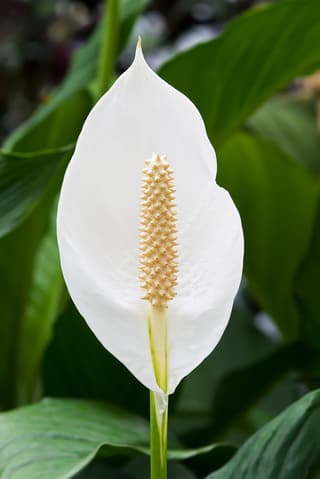
| Peace Lily | Easy | Low light | 4d | ⚠️ |
| Swiss Cheese Plant | Easy | Partial shade | 10d | ⚠️ |
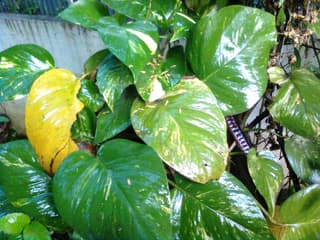
| Golden Pothos | Easy | Low light | 8d | ⚠️ |
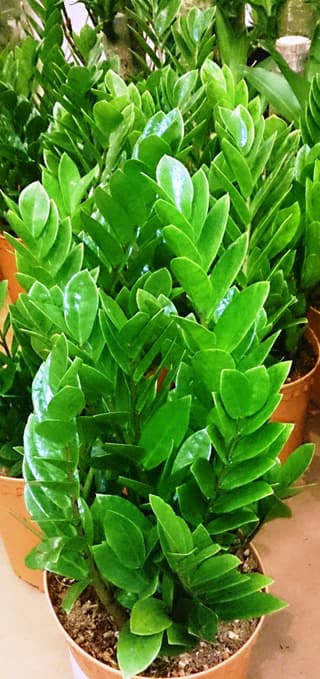
| ZZ Plant | Easy | Low light | 18d | ⚠️ |