Poaceae
Fern-grass: Full Sun Plant
Catapodium rigidum
A very low-maintenance plant that requires full sun and soil with excellent drainage. Ideal for rock gardens and xeriscaping.
Every 14 days
Direct sun
5° - 30°C
30% - 70%
Categories
What is Fern-grass?
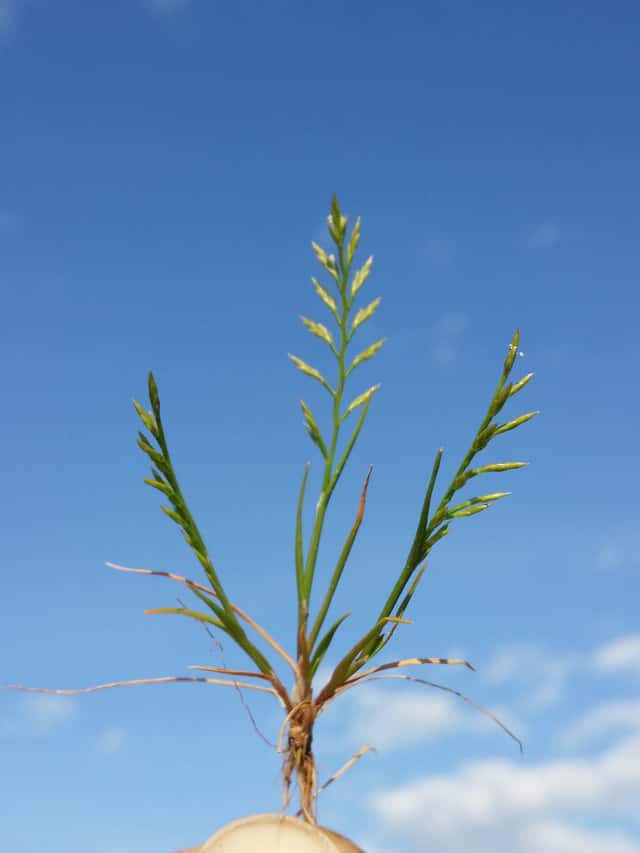
Fern-grass (Catapodium rigidum) is a easy-care plant from the Poaceae family. Catapodium rigidum, known as fern-grass, is a small and elegant annual grass native to the Mediterranean region and Western Europe. Its stems are stiff and branched, creating a geometric appearance reminiscent of small fern fronds. It is a pioneer plant that thrives in poor soils, rock crevices, and...
Fern-grass grows up to 30cm, with spread of 15cm, watering every 14 days, 5°C – 30°C, 30–70% humidity. It is not suitable for indoor environments and safe for pets.
Unlike many tropical plants, Fern-grass tolerates watering mistakes. Best for beginners. Unlike many popular species, Fern-grass is safe to keep around pets.
How to Care for Fern-grass?
TLDR: Fern-grass needs Direct sun, watering every 14 days, and temperatures between 5-30°C with 30-70% humidity.
How Often Should You Water Fern-grass?
Water only when the substrate is completely dry. The plant is highly drought-tolerant and sensitive to excess moisture at the roots.
How Much Light Does Fern-grass Need?
This species needs direct and intense sunlight to maintain its compact shape and characteristic stiffness.
What Is the Best Soil for Fern-grass?
Prefers alkaline, nutrient-poor soils with a sandy or stony texture.
What Pot Should You Use for Fern-grass?
Clay or terracotta pots with large drainage holes, or direct planting in stony gardens.
What Is Fern-grass and Where Does It Come From?
Catapodium rigidum, known as fern-grass, is a small and elegant annual grass native to the Mediterranean region and Western Europe. Its stems are stiff and branched, creating a geometric appearance reminiscent of small fern fronds. It is a pioneer plant that thrives in poor soils, rock crevices, and coastal dunes, being extremely resistant to drought and heat.
How to Propagate Fern-grass?
Sowing
- The plant often self-seeds under ideal conditions.
- Avoid overly fertile soils which can make the plant excessively soft.
- 1 Bed Preparation
Prepare sandy, well-drained soil, removing debris and leveling the surface.
- 2 Seed Distribution
Spread the seeds evenly over the soil surface.
- 3 Setting
Lightly press the seeds into the soil to ensure contact, but do not cover them deeply, as they need light to germinate.
- 4 Initial Watering
Lightly moisten with a spray bottle to avoid displacing the seeds.
Materials needed:
How Big Does Fern-grass Grow?
TLDR: Fern-grass can reach up to 30cm tall with Fast growth rate.
Max height
30cm
Spread
15cm
Growth rate
Fast
Foliage
Deciduous
Plant Uses
Ornamental
Great for decoration
Is your plant showing symptoms?
Click on the symptom to discover possible causes:
What Diseases Commonly Affect Fern-grass?
TLDR: Fern-grass is susceptible to 3 known diseases. Monitor regularly for early detection.
Rust
Rust is a common fungal disease caused by fungi in the order Pucciniales that affects a wide variety of plants. The disease gets its name from the characteristic orange, yellow, or reddish-brown pustules that appear on leaves, resembling metal rust. This obligate fungal parasite requires living plants to survive and can cause significant economic losses in agricultural crops.
Powdery Mildew
Powdery mildew is a common fungal disease caused by various fungi species including Erysiphe, Podosphaera, Oïdium, and Leveillula. It affects over 10,000 plant species worldwide. The disease thrives in warm, dry climates with high humidity and appears as a distinctive white powdery coating on plant surfaces.
Underwatering
Underwatering or drought stress is a physiological disorder that occurs when the amount of water a plant loses through transpiration exceeds the amount its roots can absorb from the soil. This leads to cellular dehydration and various visible symptoms that can compromise plant health and productivity.
Meaning & Symbolism
Represents resilience and the ability to flourish in arid and difficult terrains.
Compare with similar plants
| Attribute | Difficulty | Light | Watering | Pet Safe |
|---|---|---|---|---|
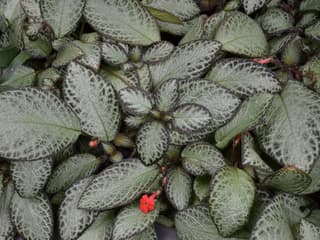
| Flame Violet | Easy | Partial shade | 7d | ✓ |
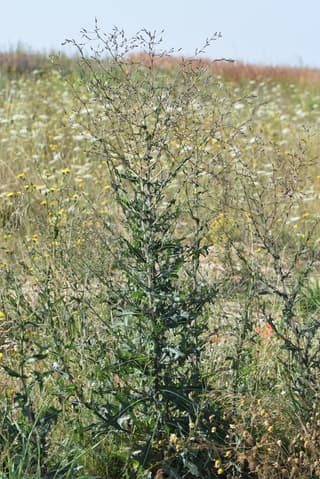
| Prickly Lettuce | Easy | Direct sun | 7d | ✓ |
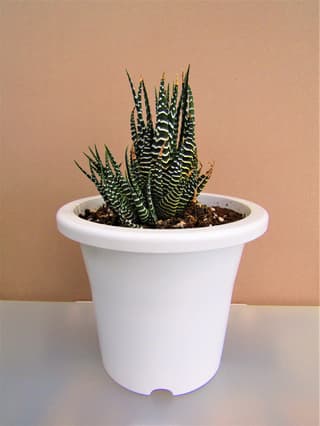
| Haworthiopsis (genus) | Easy | Partial shade | 14d | ✓ |
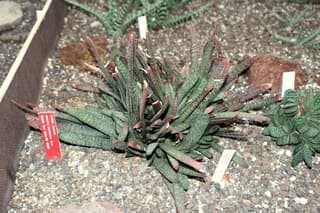
| Gasteria (genus) | Easy | Partial shade | 14d | ✓ |