Arecaceae
How to Grow and Care for the Sugar Palm (Arenga pinnata)
Arenga pinnata
The Sugar Palm demands full sun, excellent drainage, and consistent moisture. Young specimens appreciate 30–50% shade. Plant in rich, well-draining loamy soil and water deeply weekly. Fertilize every 2 months with a high-potassium palm fertilizer. Avoid waterlogging and protect from frost.
Every 7 days
Direct sun
10° - 40°C
60% - 100%
Categories
What is Sugar Palm?
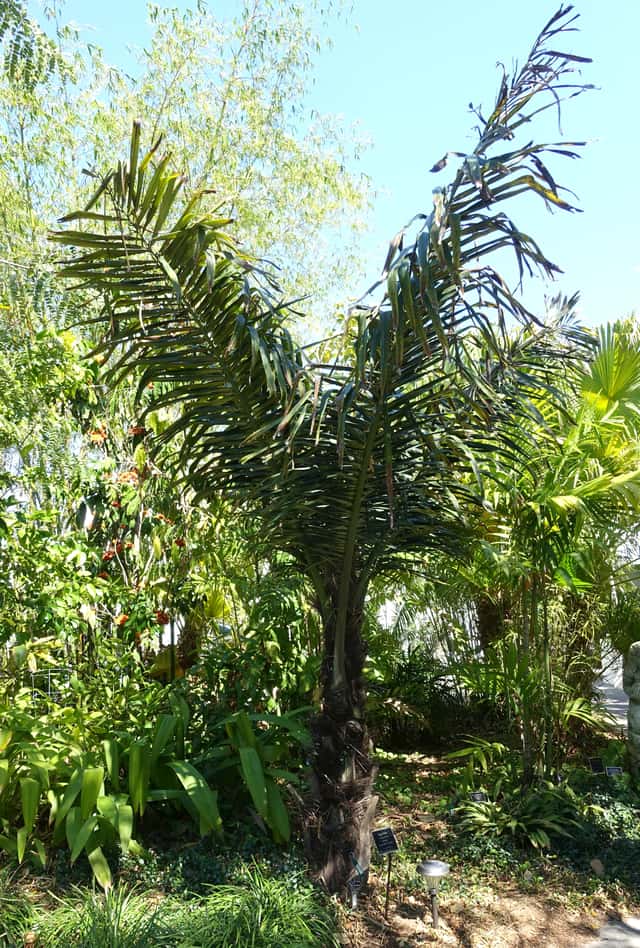
Sugar Palm (Arenga pinnata) is a hard-care plant from the Arecaceae family. The Sugar Palm (Arenga pinnata) is a majestic tropical palm native to Southeast Asia, particularly Malaysia and Indonesia. Its pinnate fronds can reach up to 8.5 meters long, making it one of the most dramatic palms in tropical horticulture. A hapaxanthic species, it flowers once over several years...
Sugar Palm grows up to 20.0m, spread of 900cm, watering every 7 days, 10°C – 40°C, 60–100% humidity. It is suitable for indoor environments and safe for pets.
Unlike easy-care plants, Sugar Palm demands constant attention to humidity and light. Not recommended for beginners. Unlike many popular species, Sugar Palm is safe to keep around pets. Without adequate drainage, root rot can develop within 14 days.
How to Care for Sugar Palm?
TLDR: Sugar Palm needs Direct sun, watering every 7 days, and temperatures between 10-40°C with 60-100% humidity.
How Often Should You Water Sugar Palm?
Water deeply every 7 days, soaking the entire root zone. For potted specimens, check the top 2–3 cm of soil before watering — it should be beginning to dry. Never allow water to pool at the base. Established outdoor palms are moderately drought-tolerant.
How Much Light Does Sugar Palm Need?
Full sun preferred for mature plants. Juvenile specimens tolerate 30–50% shade to prevent leaf scorch. Indoors, place near the brightest south-facing window with 10–12 hours of supplemental grow light. More sun equals more vigorous growth.
What Is the Best Soil for Sugar Palm?
Use rich, well-draining loamy soil. Ideal mix: 2 parts loam, 1 part perlite, 1 part coarse sand. Target pH 5.5–7.0. Good drainage is critical — this palm does not tolerate waterlogged roots. Mulch around the base conserves moisture and regulates temperature.
What Pot Should You Use for Sugar Palm?
Use deep containers (minimum 40 cm depth) with generous drainage holes. Terracotta or coco fiber pots are ideal — they breathe and prevent waterlogging. Repot every 18–24 months or when roots emerge from drainage holes.
Care Schedule
Fertilize
Every 60 days
Misting
Every 3 days
Repot
Every 730 days
What Is Sugar Palm and Where Does It Come From?
The Sugar Palm (Arenga pinnata) is a majestic tropical palm native to Southeast Asia, particularly Malaysia and Indonesia. Its pinnate fronds can reach up to 8.5 meters long, making it one of the most dramatic palms in tropical horticulture. A hapaxanthic species, it flowers once over several years then dies. Beyond its ornamental value, it is one of the most economically important palms in the world, yielding sugar, wine, fiber, starch, and edible fruits.
How to Propagate Sugar Palm?
Seed Germination
Always use fresh seeds for germination rates of 70–80%. Seeds stored over 3 months drop below 10% germination. Bottom heat from a seedling mat significantly improves results.
- 1 Collect fresh seeds — viability drops sharply after 3 months of storage
- 2 Scarify the seed coat lightly and soak in warm water (30°C) for 24–48 hours
- 3 Sow in a mix of coarse sand and perlite, maintaining 25–30°C with high humidity
- 4 Keep substrate moist but not soggy; cover with clear plastic to retain heat and humidity
- 5 Transplant to a deeper container when 2–3 leaves are established and firm
- 6 Maintain 50% shade for the first few months to prevent scorching
Materials needed:
How Big Does Sugar Palm Grow?
TLDR: Sugar Palm can reach up to 20.0m tall with Slow growth rate.
Max height
20.0m
Spread
9.0m
Growth rate
Slow
Foliage
Evergreen
Warning: Toxic Plant
This plant can be toxic if ingested. Keep out of reach of:
Plant Uses
Ornamental
Great for decoration
Edible
Can be consumed
Culinary Uses
- Palm sugar (gula aren) made from fermented sap
- Immature fruits edible after processing (kolang-kaling / palm jelly)
- Trunk pith yields sago-like starch used in noodles and cakes
Is your plant showing symptoms?
Click on the symptom to discover possible causes:
What Diseases Commonly Affect Sugar Palm?
TLDR: Sugar Palm is susceptible to 12 known diseases. Monitor regularly for early detection.
Root Rot
Root rot is a serious fungal disease that affects the root system of plants, causing them to decay and die. It is primarily caused by overwatering, poor drainage, or soil-borne fungi such as Pythium, Phytophthora, Rhizoctonia, and Fusarium. The disease thrives in waterlogged conditions where roots are deprived of oxygen, making them susceptible to fungal infection.
Leaf Spot
Leaf spot is a common fungal disease caused by various pathogens including Alternaria, Ascochyta, Colletotrichum, Septoria, and Venturia. It primarily affects leaves, causing discolored spots that can lead to premature leaf drop if left untreated.
Phytophthora Root Rot
Disease caused by fungus-like organisms (oomycetes) that live in soil and can survive for years. It affects roots, stem, and crown of plants, being especially severe in waterlogged or poorly drained soils. It is the second most common cause of root rot in trees and shrubs.
Scale Insects
Scale insects are small sap-sucking pests that appear as brown, shell-like bumps on plant stems and leaves. There are over 25 species, divided into armored (hard) and unarmored (soft) scales. They feed by piercing plant tissue and extracting sap, which weakens the plant and can lead to yellowing, stunted growth, and even death if left untreated. They also excrete honeydew, which attracts ants and promotes sooty mold growth.
Meaning & Symbolism
In Southeast Asian cultures, the Sugar Palm represents abundance, generosity, and self-sufficiency, as every part of the palm — from roots to crown — provides food, drink, material, or shelter.
Fun Facts
The Sugar Palm is hapaxanthic: it flowers just once in its lifetime over several years, then dies after fruiting — making each flowering event unique and final.
A single Sugar Palm can produce several liters of sap per day per inflorescence, which is fermented into palm wine, distilled into spirits, or evaporated into prized palm sugar.
Its black leaf sheath fibers (ijuk) are exceptionally resistant to saltwater, making them a centuries-old material for marine ropes, well linings, and traditional thatching.
Frequently asked questions
Can the Sugar Palm be grown indoors?
How often should I water my Sugar Palm?
Is the Sugar Palm toxic to pets?
Why are my Sugar Palm leaves turning yellow?
How long does it take a Sugar Palm to flower?
Compare with similar plants
| Attribute | Difficulty | Light | Watering | Pet Safe |
|---|---|---|---|---|
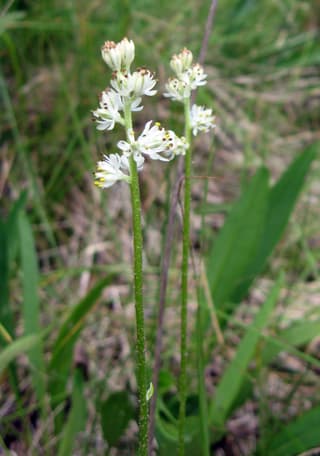
| Sticky false asphodel | Hard | Bright indirect | 1d | ✓ |
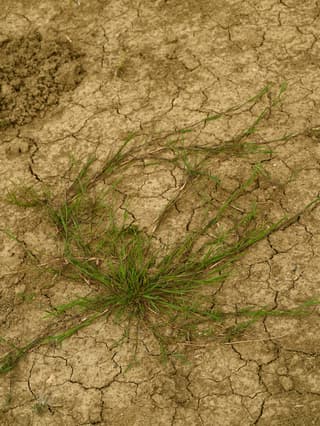
| Creeping bentgrass | Hard | Direct sun | 3d | ✓ |
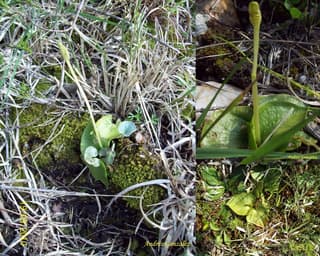
| Bulbous Adder's-tongue | Hard | Partial shade | 4d | ✓ |
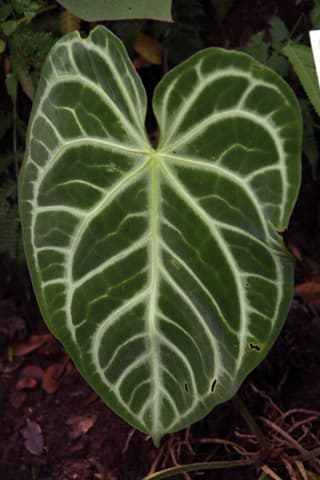
| Crystal Anthurium | Hard | Partial shade | 7d | ⚠️ |