Myrtaceae
Surinam Cherry (Eugenia uniflora): Complete Growing Guide
Eugenia uniflora
Surinam Cherry is a low-maintenance, adaptable tree ideal for tropical and subtropical gardens. It thrives in full sun, well-drained slightly acidic soil, and regular watering. Slow-growing but long-lived, it requires minimal care once established and is highly resilient to heat and brief drought.
Every 7 days
Direct sun
-2° - 38°C
60% - 85%
Categories
What is Surinam Cherry?
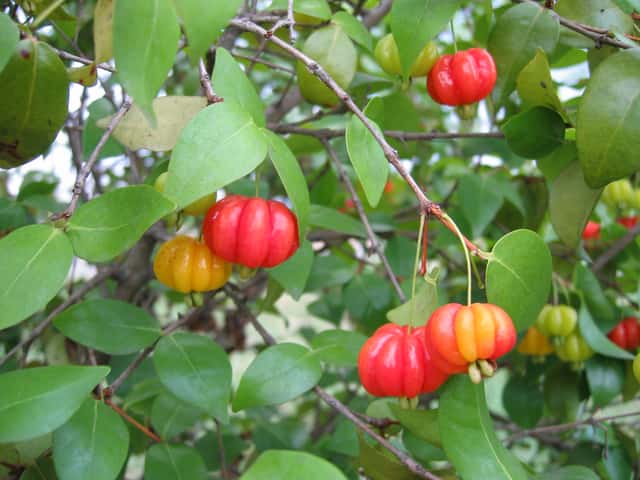
Surinam Cherry (Eugenia uniflora) is a easy-care plant from the Myrtaceae family. Surinam Cherry (Eugenia uniflora) is an evergreen fruiting tree native to the Atlantic Forest of South America, spanning Brazil, Argentina, Uruguay and Paraguay. It is celebrated for its distinctive small fruits — deeply ribbed, turning from green through orange to deep red or nearly black when full...
Surinam Cherry grows up to 8.0m, spread of 500cm, watering every 7 days, -2°C – 38°C, 60–85% humidity. It is not suitable for indoor environments and safe for pets.
Unlike many tropical plants, Surinam Cherry tolerates watering mistakes. Best for beginners. Unlike many popular species, Surinam Cherry is safe to keep around pets.
How to Care for Surinam Cherry?
TLDR: Surinam Cherry needs Direct sun, watering every 7 days, and temperatures between -2-38°C with 60-85% humidity.
How Often Should You Water Surinam Cherry?
Water every 5–7 days in dry conditions, keeping the soil evenly moist but never waterlogged. Young plants need watering 3–4 times per week for the first few months. Established trees tolerate short dry spells but fruit production improves with consistent moisture.
How Much Light Does Surinam Cherry Need?
Surinam Cherry requires full sun — at least 6 hours of direct sunlight daily — for vigorous growth and reliable fruiting. Partial shade reduces yields significantly and may prevent flowering.
What Is the Best Soil for Surinam Cherry?
Prefers fertile, well-draining, slightly acidic soil (pH 5.5–6.5). Amend with organic compost or worm castings. Avoid waterlogged conditions as they promote root rot.
What Pot Should You Use for Surinam Cherry?
Terracotta or ceramic pots for container growing — use large pots (minimum 60 cm diameter). In-ground planting is ideal for full production.
Care Schedule
Fertilize
Every 60 days
What Is Surinam Cherry and Where Does It Come From?
Surinam Cherry (Eugenia uniflora) is an evergreen fruiting tree native to the Atlantic Forest of South America, spanning Brazil, Argentina, Uruguay and Paraguay. It is celebrated for its distinctive small fruits — deeply ribbed, turning from green through orange to deep red or nearly black when fully ripe — with a sweet-tart, resinous flavour. The tree produces clusters of fragrant white flowers in spring and fall, and its glossy leaves release a spicy-resinous scent when crushed. Both fruits and leaves have significant medicinal value recognised by traditional and modern science.
How to Propagate Surinam Cherry?
Seed propagation
Use only fresh seeds — viability drops dramatically within a few days of extraction. Keep substrate consistently moist during germination.
- 1 Extract seeds from ripe fruits and rinse thoroughly
- 2 Plant immediately in moist fertile substrate — seeds lose viability within days of drying
- 3 Cover with 1 cm of substrate
- 4 Keep warm (25–30°C) and humid until germination
- 5 Transplant seedlings to final position at 20–30 cm height
Materials needed:
Stem cutting
Cuttings are less reliable than seeds for this species. Use current-season wood — not too soft, not too woody.
- 1 Cut a healthy semi-hardwood stem 15–20 cm long
- 2 Remove leaves from the lower half
- 3 Apply rooting hormone to the cut end
- 4 Plant in moist well-draining substrate
- 5 Keep in a shaded humid spot for 4–8 weeks
Materials needed:
How Big Does Surinam Cherry Grow?
TLDR: Surinam Cherry can reach up to 8.0m tall with Slow growth rate.
Max height
8.0m
Spread
5.0m
Growth rate
Slow
Foliage
Evergreen
Plant Uses
Edible
Can be consumed
Medicinal
Medicinal properties
Ornamental
Great for decoration
Medicinal Uses
- Anti-inflammatory (leaf tea)
- Antidiarrheal (leaves)
- Antioxidant (fruits rich in vitamin C and carotenoids)
- Antimicrobial and antifungal
- Blood pressure reduction (vasodilatory effect)
- Blood sugar control (α-glucosidase inhibition)
- Mild analgesic
Culinary Uses
- Fresh consumption
- Ice cream and popsicles (iconic in Northeast Brazil)
- Juices and refreshing drinks
- Jams and preserves
- Artisanal liqueurs and wines
- Processed pulp for the food industry
- Smoothies and fruit blends
Is your plant showing symptoms?
Click on the symptom to discover possible causes:
What Diseases Commonly Affect Surinam Cherry?
TLDR: Surinam Cherry is susceptible to 13 known diseases. Monitor regularly for early detection.
Anthracnose
Anthracnose is a fungal disease caused by fungi in the genus Colletotrichum that affects many plants, including vegetables, fruits, and trees. The disease thrives in cool, wet conditions, causing dark, sunken lesions on leaves, stems, flowers, and fruits.
Root Rot
Root rot is a serious fungal disease that affects the root system of plants, causing them to decay and die. It is primarily caused by overwatering, poor drainage, or soil-borne fungi such as Pythium, Phytophthora, Rhizoctonia, and Fusarium. The disease thrives in waterlogged conditions where roots are deprived of oxygen, making them susceptible to fungal infection.
Cercospora Leaf Spot
Cercospora leaf spot is a common fungal disease caused by Cercospora species that affects many plant types, particularly beets, roses, and leafy vegetables. The disease thrives in warm, humid conditions and can cause significant defoliation, reducing plant vigor and yield. It spreads rapidly through water splash, wind, and contaminated tools.
Leaf Spot
Leaf spot is a common fungal disease caused by various pathogens including Alternaria, Ascochyta, Colletotrichum, Septoria, and Venturia. It primarily affects leaves, causing discolored spots that can lead to premature leaf drop if left untreated.
Meaning & Symbolism
In its native Brazil, the Surinam Cherry is a cherished symbol of the Atlantic Forest, childhood memories, and tropical abundance. In the broader world it evokes the exotic richness of South American biodiversity and native fruit culture.
Fun Facts
The fruit of Surinam Cherry has 8 distinctive ribs, making it one of the most recognisable shapes among tropical fruits worldwide.
Surinam Cherry is among the richest native Atlantic Forest fruits in lycopene and beta-carotene, with vitamin A content exceeding that of carrots per serving.
In Northeast Brazil, pitanga ice cream is considered a regional gastronomic heritage, especially prized in Pernambuco and Alagoas states.
The tree is extremely long-lived — century-old specimens are documented still producing abundant fruit in Brazilian gardens.
Frequently asked questions
How long does it take a Surinam Cherry to fruit?
Can Surinam Cherry be grown in a pot?
How often should I water Surinam Cherry?
Is Surinam Cherry toxic to pets?
What are the culinary uses of Surinam Cherry?
Compare with similar plants
| Attribute | Difficulty | Light | Watering | Pet Safe |
|---|---|---|---|---|
| Field Maple | Easy | Bright indirect | 14d | ✓ |
| Silver Birch | Easy | Direct sun | 14d | ✓ |
| Cushion Bush | Easy | Direct sun | 14d | ✓ |
| Peruvian peppertree | Easy | Direct sun | 14d | ⚠️ |