Apocynaceae
Natal Plum (Carissa macrocarpa)
Carissa macrocarpa
A hardy, low-maintenance plant that thrives in full sun with well-draining sandy soil and moderate watering. Once established, it is very drought-tolerant. Avoid waterlogging to prevent root rot.
Every 10 days
Direct sun
10° - 38°C
40% - 70%
Categories
What is Natal Plum?
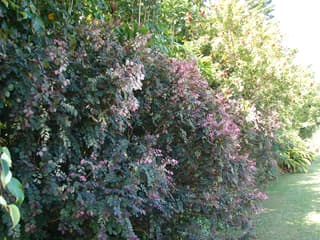
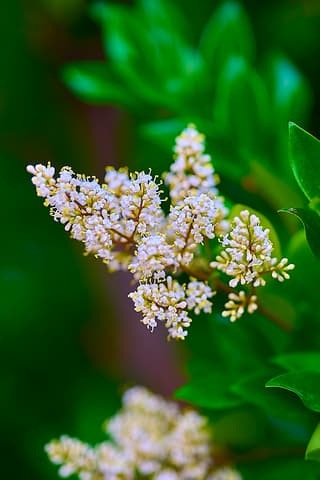
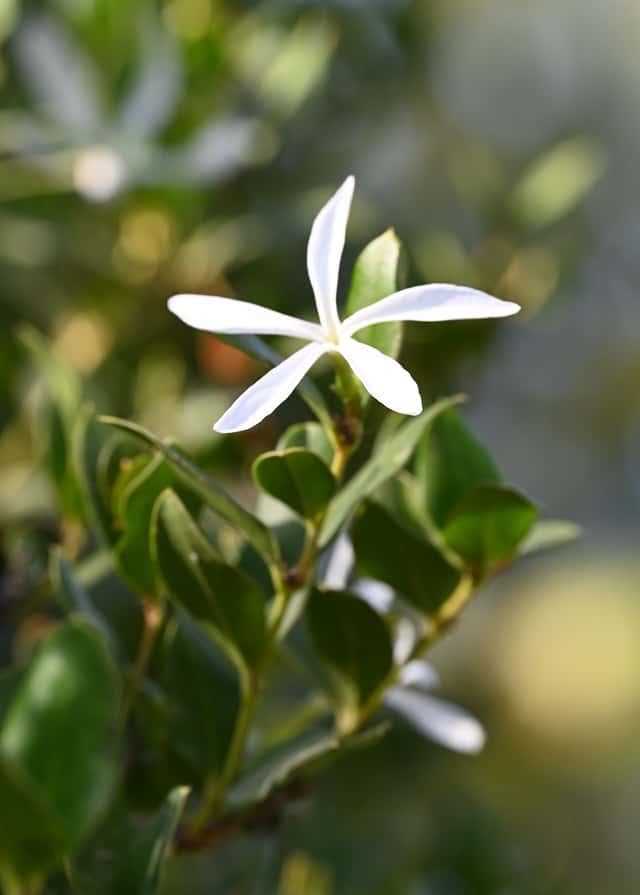
Natal Plum (Carissa macrocarpa) is a easy-care plant from the Apocynaceae family. Natal Plum (Carissa macrocarpa) is an evergreen shrub native to the coastal regions of South Africa. It produces fragrant, star-shaped white flowers and edible red berries resembling small plums. Widely used in landscaping for its exceptional tolerance to salt spray, wind, and drought, along with it...
Natal Plum grows up to 2.0m, spread of 240cm, watering every 10 days, 10°C – 38°C, 40–70% humidity. It is not suitable for indoor environments and not safe for pets.
Unlike many tropical plants, Natal Plum tolerates watering mistakes. Best for beginners. Without precautions, ingestion can cause irritation in pets. Keep out of reach of cats and dogs.
How to Care for Natal Plum?
TLDR: Natal Plum needs Direct sun, watering every 10 days, and temperatures between 10-38°C with 40-70% humidity.
How Often Should You Water Natal Plum?
Water deeply but infrequently. In containers, water every 10 days in summer and every 15-20 days in winter. Allow the soil to dry between waterings. Avoid wetting foliage to prevent fungal diseases.
How Much Light Does Natal Plum Need?
Requires full sun with at least 6 hours of direct sunlight daily for best flowering and fruiting. Tolerates partial shade but with reduced blooming. Indoors, place near south or west-facing windows.
What Is the Best Soil for Natal Plum?
Use sandy or well-draining soil. Ideal pH range is 6.2-7.8. Avoid heavy clay soils that retain excessive moisture, which promotes root rot.
What Pot Should You Use for Natal Plum?
Prefer terracotta or ceramic pots with ample drainage holes. Avoid deep pots. A medium-sized pot (20-30 cm diameter) works well for container growing.
Care Schedule
Fertilize
Every 14 days
Misting
Every 3 days
Rotate
Every 7 days
Repot
Every 365 days
What Is Natal Plum and Where Does It Come From?
Natal Plum (Carissa macrocarpa) is an evergreen shrub native to the coastal regions of South Africa. It produces fragrant, star-shaped white flowers and edible red berries resembling small plums. Widely used in landscaping for its exceptional tolerance to salt spray, wind, and drought, along with its glossy dark green foliage.
How Big Does Natal Plum Grow?
TLDR: Natal Plum can reach up to 2.0m tall with Medium growth rate.
Max height
2.0m
Spread
2.4m
Growth rate
Medium
Foliage
Evergreen
Warning: Toxic Plant
This plant can be toxic if ingested. Keep out of reach of:
Plant Uses
Ornamental
Great for decoration
Edible
Can be consumed
Ground Cover
Soil coverage
Culinary Uses
- Ripe berries can be eaten fresh or used in jams, jellies, juices, and ice cream. They have a sweet-tart flavor reminiscent of cranberry with hints of strawberry.
Is your plant showing symptoms?
Click on the symptom to discover possible causes:
What Diseases Commonly Affect Natal Plum?
TLDR: Natal Plum is susceptible to 7 known diseases. Monitor regularly for early detection.
Powdery Mildew
Powdery mildew is a common fungal disease caused by various fungi species including Erysiphe, Podosphaera, Oïdium, and Leveillula. It affects over 10,000 plant species worldwide. The disease thrives in warm, dry climates with high humidity and appears as a distinctive white powdery coating on plant surfaces.
Root Rot
Root rot is a serious fungal disease that affects the root system of plants, causing them to decay and die. It is primarily caused by overwatering, poor drainage, or soil-borne fungi such as Pythium, Phytophthora, Rhizoctonia, and Fusarium. The disease thrives in waterlogged conditions where roots are deprived of oxygen, making them susceptible to fungal infection.
Scale Insects
Scale insects are small sap-sucking pests that appear as brown, shell-like bumps on plant stems and leaves. There are over 25 species, divided into armored (hard) and unarmored (soft) scales. They feed by piercing plant tissue and extracting sap, which weakens the plant and can lead to yellowing, stunted growth, and even death if left untreated. They also excrete honeydew, which attracts ants and promotes sooty mold growth.
Mealybugs
Mealybugs are small, soft-bodied insects covered with a white, waxy, cottony material. They are common pests of houseplants and outdoor plants in mild climates. These sap-sucking insects feed on plant tissue, causing damage, stunted growth, and can lead to plant death if left untreated. They produce sticky honeydew which attracts sooty mold.
Meaning & Symbolism
In South African culture, the Natal Plum symbolizes resilience and coastal fortitude. Its thorny branches represent protection, while its sweet fruit embodies the reward that follows perseverance.
Fun Facts
Natal Plum is also known as "Noem-Noem" and "Num-Num" in local South African languages.
Its red berries taste like cranberry with hints of strawberry and are used in jams and preserves.
It is one of the most salt-tolerant plants available, making it ideal for coastal gardens.
Despite its thorns, it is widely planted as a natural hedge and security barrier.
Frequently asked questions
Is Natal Plum toxic to pets?
Can Natal Plum produce fruit in a pot?
How often should I water Natal Plum?
Compare with similar plants
| Attribute | Difficulty | Light | Watering | Pet Safe |
|---|---|---|---|---|
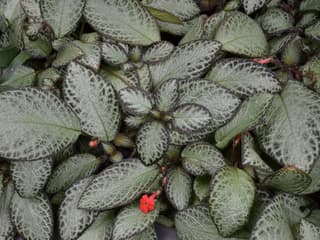
| Flame Violet | Easy | Partial shade | 7d | ✓ |
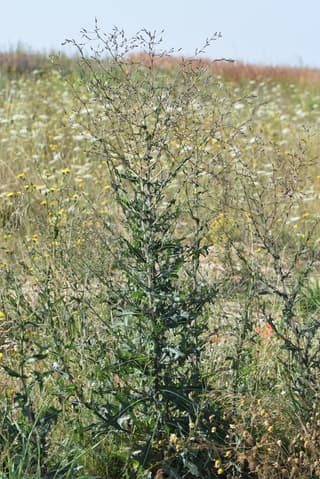
| Prickly Lettuce | Easy | Direct sun | 7d | ✓ |
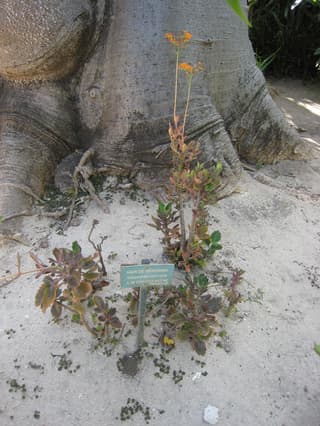
| Christmas Tree Plant | Easy | Bright indirect | 10d | ⚠️ |
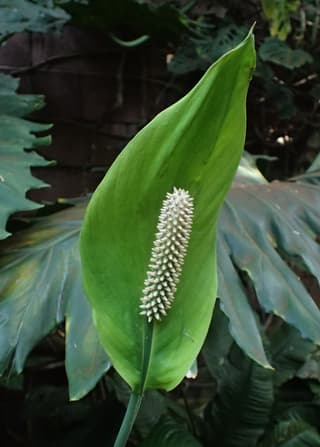
| Peace Lily | Easy | Low light | 7d | ⚠️ |