Asteraceae
Swan River Daisy: Ground Cover Plant
Brachyscome iberidifolia
A low-maintenance annual that thrives in full sun and well-drained soil. Regular deadheading is essential to promote continuous blooming throughout the season.
Every 6 days
Direct sun
5° - 35°C
40% - 70%
Categories
What is Swan River Daisy?
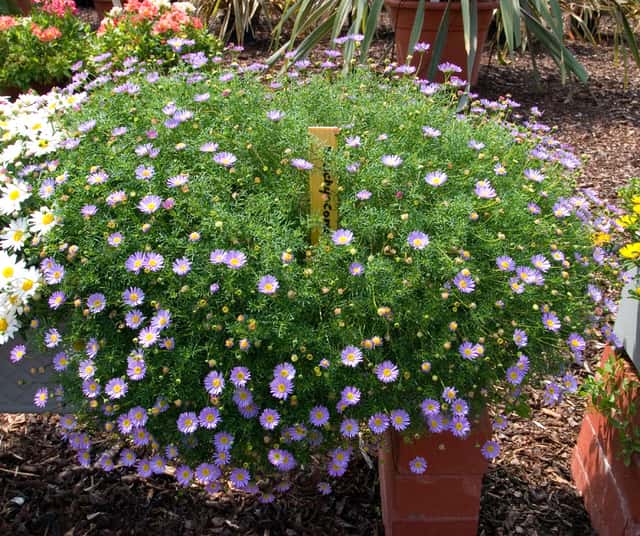
Swan River Daisy (Brachyscome iberidifolia) is a easy-care plant from the Asteraceae family. Brachyscome iberidifolia, commonly known as the Swan River Daisy, is a charming Australian annual herb. It is highly valued for its delicate, fern-like foliage and a profusion of small, daisy-like flowers that appear in vibrant shades of blue, purple, pink, and white. Growing in a compact, mounding...
Swan River Daisy grows up to 40cm, spread of 45cm, watering every 6 days, 5°C – 35°C, 40–70% humidity. It is suitable for indoor environments and safe for pets.
Unlike many tropical plants, Swan River Daisy tolerates watering mistakes. Best for beginners. Unlike many popular species, Swan River Daisy is safe to keep around pets. Without adequate drainage, root rot can develop within 12 days.
How to Care for Swan River Daisy?
TLDR: Swan River Daisy needs Direct sun, watering every 6 days, and temperatures between 5-35°C with 40-70% humidity.
How Often Should You Water Swan River Daisy?
Water when the top inch of soil feels dry to the touch. Avoid overhead watering to keep the foliage dry and prevent fungal issues.
How Much Light Does Swan River Daisy Need?
For the best floral display, ensure the plant receives at least 6 to 8 hours of direct sunlight daily.
What Is the Best Soil for Swan River Daisy?
Use a light, sandy or loamy potting mix. Avoid heavy soils that retain too much water, as this can lead to root rot.
What Pot Should You Use for Swan River Daisy?
A well-draining terracotta pot is ideal to prevent soil from becoming waterlogged.
Care Schedule
Fertilize
Every 28 days
What Is Swan River Daisy and Where Does It Come From?
Brachyscome iberidifolia, commonly known as the Swan River Daisy, is a charming Australian annual herb. It is highly valued for its delicate, fern-like foliage and a profusion of small, daisy-like flowers that appear in vibrant shades of blue, purple, pink, and white. Growing in a compact, mounding habit, it is a favorite for borders, rock gardens, and hanging baskets.
How to Propagate Swan River Daisy?
Seed Sowing
- Start seeds indoors 6-8 weeks before the last frost for earlier blooms.
- 1 Sow Seeds
Sow seeds on the surface of a high-quality seed-starting mix in early spring.
- 2 Light Cover
Lightly press seeds into the soil or cover with a very thin layer of vermiculite, as they need light to germinate.
- 3 Maintain Moisture
Keep the soil consistently moist and place the tray in a warm, bright location.
Materials needed:
How Big Does Swan River Daisy Grow?
TLDR: Swan River Daisy can reach up to 40cm tall with Fast growth rate.
Max height
40cm
Spread
45cm
Growth rate
Fast
Foliage
Deciduous
Plant Uses
Ornamental
Great for decoration
Ground Cover
Soil coverage
Is your plant showing symptoms?
Click on the symptom to discover possible causes:
What Diseases Commonly Affect Swan River Daisy?
TLDR: Swan River Daisy is susceptible to 8 known diseases. Monitor regularly for early detection.
Powdery Mildew
Powdery mildew is a common fungal disease caused by various fungi species including Erysiphe, Podosphaera, Oïdium, and Leveillula. It affects over 10,000 plant species worldwide. The disease thrives in warm, dry climates with high humidity and appears as a distinctive white powdery coating on plant surfaces.
Gray Mold (Botrytis Blight)
Gray mold, caused by the fungus Botrytis cinerea, is a widespread necrotrophic pathogen affecting over 1,400 plant species. It thrives in cool, humid conditions and attacks weakened or aging plant tissues, causing soft rot and characteristic gray fuzzy growth.
Fusarium Wilt
Fusarium wilt is a serious fungal disease caused by the soil-borne fungus Fusarium oxysporum. The fungus invades roots and blocks the water-conducting vessels (xylem) of the plant, causing progressive wilting and eventual death. Host-specific forms of the pathogen exist that attack different plant species.
Root Rot
Root rot is a serious fungal disease that affects the root system of plants, causing them to decay and die. It is primarily caused by overwatering, poor drainage, or soil-borne fungi such as Pythium, Phytophthora, Rhizoctonia, and Fusarium. The disease thrives in waterlogged conditions where roots are deprived of oxygen, making them susceptible to fungal infection.
Meaning & Symbolism
The Swan River Daisy is often associated with cheerfulness, innocence, and the wild beauty of the Australian landscape.
Compare with similar plants
| Attribute | Difficulty | Light | Watering | Pet Safe |
|---|---|---|---|---|
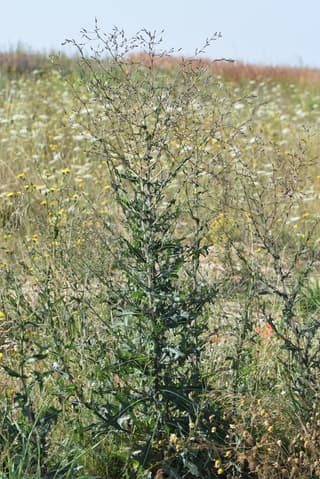
| Wild Lettuce | Medium | Direct sun | 7d | ⚠️ |
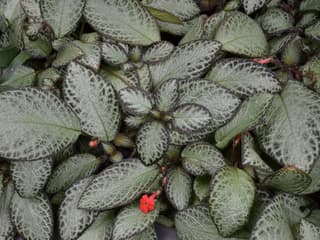
| Flame Violet | Easy | Partial shade | 7d | ✓ |
| Prickly Lettuce | Easy | Direct sun | 7d | ✓ |
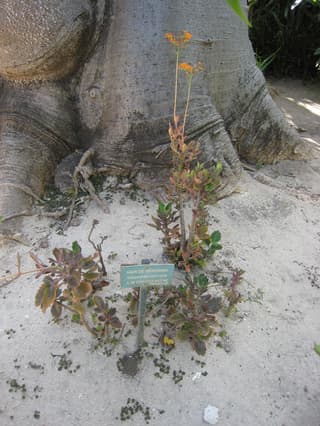
| Christmas Tree Plant | Easy | Bright indirect | 10d | ⚠️ |