Malvaceae
Swamp Rose-mallow (Hibiscus moscheutos): Complete Care Guide
Hibiscus moscheutos
Easy-to-grow outdoor perennial. Thrives in full sun with consistently moist, organically rich soil. Tolerates heat, humidity, and temporary flooding. No misting or repotting needed.
Every 2 days
Bright indirect
-34° - 38°C
50% - 80%
Categories
What is Swamp Rose-mallow?
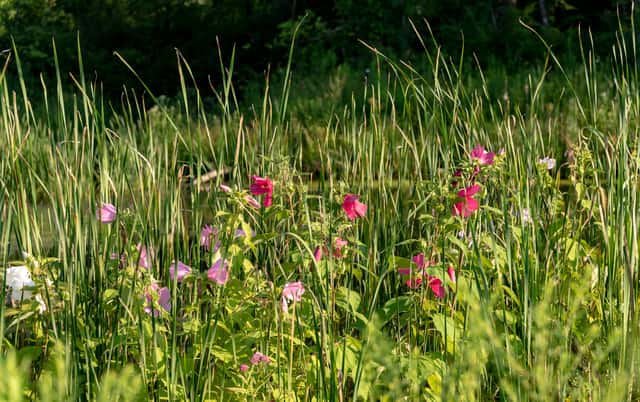
Swamp Rose-mallow (Hibiscus moscheutos) is a easy-care plant from the Malvaceae family. Hibiscus moscheutos, commonly known as Swamp Rose-mallow or Crimson-eyed Rosemallow, is a hardy perennial native to eastern North America. It produces enormous dinner-plate blooms — up to 12 inches across — in shades of white, pink, red, and burgundy, often with a striking crimson eye. Despite its t...
Swamp Rose-mallow grows up to 2.1m, spread of 120cm, watering every 2 days, -34°C – 38°C, 50–80% humidity. It is not suitable for indoor environments and safe for pets.
Unlike many tropical plants, Swamp Rose-mallow tolerates watering mistakes. Best for beginners. Unlike many popular species, Swamp Rose-mallow is safe to keep around pets.
How to Care for Swamp Rose-mallow?
TLDR: Swamp Rose-mallow needs Bright indirect, watering every 2 days, and temperatures between -34-38°C with 50-80% humidity.
How Often Should You Water Swamp Rose-mallow?
Keep soil consistently moist, especially during hot summer months. Water every 1-2 days during dry spells. Never allow the soil to dry out completely as this stresses the plant and reduces blooming.
How Much Light Does Swamp Rose-mallow Need?
Plant in a location receiving at least 6 hours of direct sunlight daily. Full sun produces the most abundant flowering and helps prevent fungal diseases. Partial shade reduces bloom production.
What Is the Best Soil for Swamp Rose-mallow?
Use loamy, organically rich soil with good moisture retention. Ideal pH 6.0–7.5. Tolerates clay and temporarily waterlogged conditions. Amend with compost before planting.
What Pot Should You Use for Swamp Rose-mallow?
Outdoor garden bed or large container (minimum 10-gallon pot). Use heavy, deep planters to support the plant size.
Care Schedule
Fertilize
Every 30 days
What Is Swamp Rose-mallow and Where Does It Come From?
Hibiscus moscheutos, commonly known as Swamp Rose-mallow or Crimson-eyed Rosemallow, is a hardy perennial native to eastern North America. It produces enormous dinner-plate blooms — up to 12 inches across — in shades of white, pink, red, and burgundy, often with a striking crimson eye. Despite its tropical appearance, it is fully cold-hardy to USDA Zone 4, dying back to the ground each winter and re-emerging in spring.
How to Propagate Swamp Rose-mallow?
Seed Sowing
Scarification significantly improves germination rates. Start seeds indoors 8-10 weeks before the last expected frost for best results.
- 1 Scarify seeds with fine sandpaper or soak in warm water for 24 hours to improve germination
- 2 Sow in moist, well-draining seed-starting mix at 1 cm depth
- 3 Keep in a warm location (68-77°F / 20-25°C) with good light
- 4 Transplant seedlings outdoors after the last frost date
Materials needed:
Stem Cutting
Take cuttings in the morning. Keep the medium moist but not waterlogged, and avoid direct sun until rooted.
- 1 Take a 4-6 inch cutting from a healthy stem, just below a node
- 2 Remove lower leaves, leaving 2-3 leaves at the top
- 3 Dip the cut end in rooting hormone powder
- 4 Plant in moist potting mix and cover with a clear plastic bag to retain humidity
Materials needed:
Crown Division
Only divide established plants (2-3 years old). Avoid dividing during summer heat. Water divisions well for the first few weeks.
- 1 In spring, when new shoots emerge, carefully dig up the entire plant
- 2 Divide the root clump with a sharp spade or knife, ensuring each division has roots attached
- 3 Replant immediately in their permanent positions and water thoroughly
Materials needed:
How Big Does Swamp Rose-mallow Grow?
TLDR: Swamp Rose-mallow can reach up to 2.1m tall with Fast growth rate.
Max height
2.1m
Spread
1.2m
Growth rate
Fast
Foliage
Deciduous
Plant Uses
Ornamental
Great for decoration
Is your plant showing symptoms?
Click on the symptom to discover possible causes:
What Diseases Commonly Affect Swamp Rose-mallow?
TLDR: Swamp Rose-mallow is susceptible to 8 known diseases. Monitor regularly for early detection.
Leaf Spot
Leaf spot is a common fungal disease caused by various pathogens including Alternaria, Ascochyta, Colletotrichum, Septoria, and Venturia. It primarily affects leaves, causing discolored spots that can lead to premature leaf drop if left untreated.
Powdery Mildew
Powdery mildew is a common fungal disease caused by various fungi species including Erysiphe, Podosphaera, Oïdium, and Leveillula. It affects over 10,000 plant species worldwide. The disease thrives in warm, dry climates with high humidity and appears as a distinctive white powdery coating on plant surfaces.
Rust
Rust is a common fungal disease caused by fungi in the order Pucciniales that affects a wide variety of plants. The disease gets its name from the characteristic orange, yellow, or reddish-brown pustules that appear on leaves, resembling metal rust. This obligate fungal parasite requires living plants to survive and can cause significant economic losses in agricultural crops.
Root Rot
Root rot is a serious fungal disease that affects the root system of plants, causing them to decay and die. It is primarily caused by overwatering, poor drainage, or soil-borne fungi such as Pythium, Phytophthora, Rhizoctonia, and Fusarium. The disease thrives in waterlogged conditions where roots are deprived of oxygen, making them susceptible to fungal infection.
Meaning & Symbolism
Symbol of fleeting beauty and grace. The blooms last only a single day, yet the plant continuously produces new flowers throughout summer and fall.
Fun Facts
Hibiscus moscheutos produces some of the largest flowers of any hardy perennial — blooms can reach 12 inches (30 cm) across
Despite each flower lasting only one day, a single plant can produce dozens of blooms per week at peak season
It is fully winter-hardy to -30°F (-34°C), making it one of the hardiest large-flowered perennials available
The species name "moscheutos" derives from Greek meaning "moss-like," referring to its natural swampy habitat
Frequently asked questions
How often should I water Hibiscus moscheutos?
Is Swamp Rose-mallow toxic to pets?
Why is my Hardy Hibiscus not blooming?
When does Hibiscus moscheutos bloom?
Is Hardy Hibiscus truly winter-hardy?
Compare with similar plants
| Attribute | Difficulty | Light | Watering | Pet Safe |
|---|---|---|---|---|
| Small Scabious | Easy | Direct sun | 7d | ✓ |
| Field Maple | Easy | Bright indirect | 14d | ✓ |
| Silver Birch | Easy | Direct sun | 14d | ✓ |
| Red valerian | Easy | Direct sun | 10d | ✓ |


