Amaryllidaceae
Sweet Garlic (Tulbaghia simmleri): Complete Care Guide
Tulbaghia simmleri
Sweet Garlic is an easy-care, drought-tolerant perennial that thrives in full sun with well-draining soil. Water every 7–14 days, fertilize lightly in spring and summer, and divide clumps every 2–3 years to maintain vigour. Minimal pruning is needed — just remove spent flower stems.
Every 10 days
Bright indirect
-6° - 35°C
40% - 70%
Categories
What is Sweet Garlic?
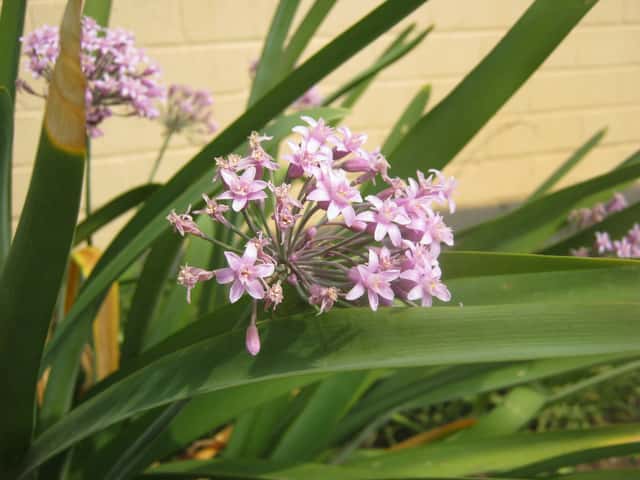
Sweet Garlic (Tulbaghia simmleri) is a easy-care plant from the Amaryllidaceae family. Tulbaghia simmleri, commonly known as Sweet Garlic, is an elegant, clump-forming evergreen perennial native to the grasslands and rocky slopes of South Africa. It produces slender grey-green strap-like leaves and bears delicate umbels of sweetly fragrant pink to mauve-pink tubular flowers from sprin...
Sweet Garlic grows up to 60cm, with spread of 45cm, watering every 10 days, -6°C – 35°C, 40–70% humidity. It is not suitable for indoor environments and safe for pets.
Unlike many tropical plants, Sweet Garlic tolerates watering mistakes. Best for beginners. Unlike many popular species, Sweet Garlic is safe to keep around pets.
How to Care for Sweet Garlic?
TLDR: Sweet Garlic needs Bright indirect, watering every 10 days, and temperatures between -6-35°C with 40-70% humidity.
How Often Should You Water Sweet Garlic?
Water every 7–14 days during the growing season, allowing the soil to dry out between waterings. Reduce watering significantly in winter. Overwatering or poor drainage can cause bulb rot.
How Much Light Does Sweet Garlic Need?
Tulbaghia simmleri performs best in full sun to partial shade. At least 6 hours of direct sunlight per day encourages the most prolific flowering. In very hot climates, some afternoon shade is beneficial.
What Is the Best Soil for Sweet Garlic?
Use well-draining soil or a sandy-loam mix. Avoid heavy clay soils that retain moisture. A pH of 6.0–7.5 is ideal. Amend with grit or coarse sand if drainage is poor.
What Pot Should You Use for Sweet Garlic?
Terracotta or ceramic pot with large drainage holes; raised garden bed or rocky border in the garden
Care Schedule
Fertilize
Every 60 days
Repot
Every 730 days
What Is Sweet Garlic and Where Does It Come From?
Tulbaghia simmleri, commonly known as Sweet Garlic, is an elegant, clump-forming evergreen perennial native to the grasslands and rocky slopes of South Africa. It produces slender grey-green strap-like leaves and bears delicate umbels of sweetly fragrant pink to mauve-pink tubular flowers from spring through autumn. Unlike its relative Society Garlic, its flowers carry a pleasant sweet scent rather than a garlicky one.
How to Propagate Sweet Garlic?
Clump Division
Divide every 2–3 years when flowering quality declines. Avoid dividing during frost or peak summer heat.
- 1 Dig up the established clump carefully with a garden fork
- 2 Gently separate the bulb clusters by hand or with a clean knife
- 3 Replant divisions at the same depth in prepared, well-draining soil
- 4 Water in well and keep in a bright position until established
Materials needed:
Seed Propagation
Seeds germinate best when fresh. Do not plant out too early — seedlings need a full growing season before transplanting.
- 1 Sow fresh seeds in deep seed trays in spring
- 2 Cover lightly with a thin layer of fine compost
- 3 Keep moist and in a warm, bright position
- 4 Transplant seedlings to individual pots in their second year
Materials needed:
How Big Does Sweet Garlic Grow?
TLDR: Sweet Garlic can reach up to 60cm tall with Medium growth rate.
Max height
60cm
Spread
45cm
Growth rate
Medium
Foliage
Evergreen
Warning: Toxic Plant
This plant can be toxic if ingested. Keep out of reach of:
Plant Uses
Ornamental
Great for decoration
Aromatic
Pleasant fragrance
Is your plant showing symptoms?
Click on the symptom to discover possible causes:
What Diseases Commonly Affect Sweet Garlic?
TLDR: Sweet Garlic is susceptible to 9 known diseases. Monitor regularly for early detection.
Slugs and Snails
Slugs and snails are mollusks that feed on plant tissue, causing irregular holes in leaves and damage to young seedlings. They are most active at night and in moist conditions, leaving characteristic silvery slime trails. These pests can quickly devastate gardens, especially during wet seasons.
Gray Mold (Botrytis Blight)
Gray mold, caused by the fungus Botrytis cinerea, is one of the most common fungal diseases in plants. It affects over 200 plant species, including ornamentals, vegetables, fruits, and houseplants. The disease thrives in cool, humid conditions with poor air circulation, causing grayish spots and soft rot on infected tissues.
Root Rot
Root rot is a serious fungal disease that affects the root system of plants, causing them to decay and die. It is primarily caused by overwatering, poor drainage, or soil-borne fungi such as Pythium, Phytophthora, Rhizoctonia, and Fusarium. The disease thrives in waterlogged conditions where roots are deprived of oxygen, making them susceptible to fungal infection.
Powdery Mildew
Powdery mildew is a common fungal disease caused by various fungi species including Erysiphe, Podosphaera, Oïdium, and Leveillula. It affects over 10,000 plant species worldwide. The disease thrives in warm, dry climates with high humidity and appears as a distinctive white powdery coating on plant surfaces.
Meaning & Symbolism
In South African culture, Tulbaghia plants are associated with grace and natural beauty. The sweet fragrance of T. simmleri is linked to purity and the simple pleasures of a cottage garden.
Fun Facts
The sweet fragrance of Tulbaghia simmleri flowers is very different from the garlicky scent of its relative, Society Garlic (Tulbaghia violacea)
In its native South Africa, it grows naturally in rocky grasslands and along mountain forest margins
Tulbaghia simmleri can bloom for up to 9 months of the year in warm, frost-free climates
The genus Tulbaghia was named in honour of Rijk Tulbagh, an 18th-century Dutch Governor of the Cape Colony
Frequently asked questions
How often should I water Sweet Garlic?
Does Tulbaghia simmleri grow well in pots?
Is Sweet Garlic toxic to humans or pets?
How do I encourage more flowers on my Sweet Garlic?
When does Tulbaghia simmleri flower?
Compare with similar plants
| Attribute | Difficulty | Light | Watering | Pet Safe |
|---|---|---|---|---|
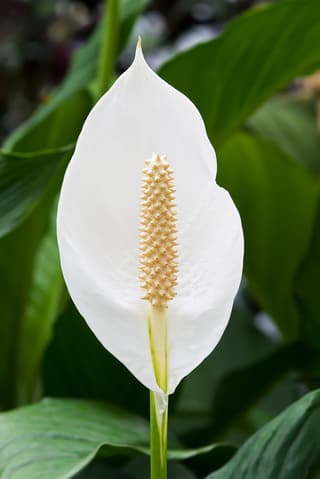
| Peace Lily | Easy | Low light | 4d | ⚠️ |
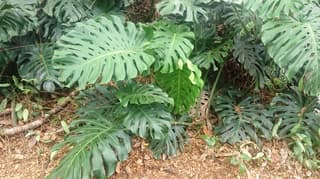
| Swiss Cheese Plant | Easy | Partial shade | 10d | ⚠️ |
| Golden Pothos | Easy | Low light | 8d | ⚠️ |
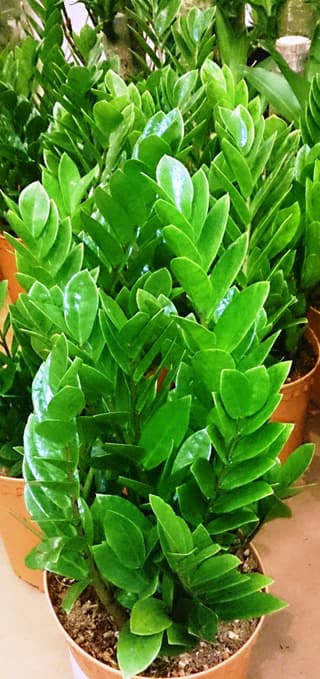
| ZZ Plant | Easy | Low light | 18d | ⚠️ |