Amaranthaceae
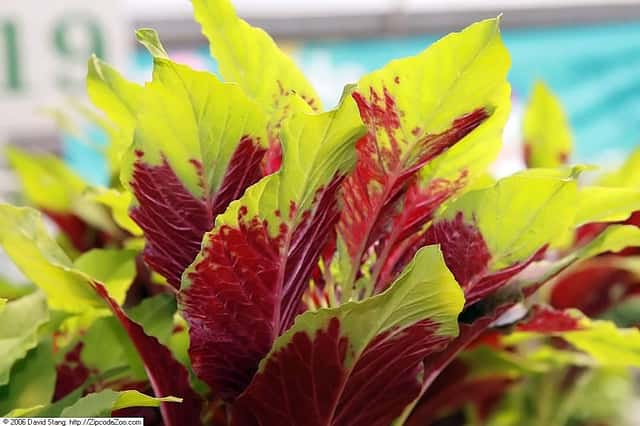
Joseph's Coat (Amaranthus tricolor)
Amaranthus tricolor
Joseph's Coat is an easy-to-grow annual that thrives in full sun with well-draining, fertile soil. Water every 2-3 days during the growing season to keep soil evenly moist. Fertilize monthly with a balanced fertilizer. Deadhead or prune regularly to maintain bushy shape and encourage vibrant foliage color. It grows rapidly and completes its life cycle in one season.
Every 3 days
Bright indirect
15° - 35°C
40% - 70%
Categories
What is Joseph's Coat?
Joseph's Coat (Amaranthus tricolor) is a easy-care plant from the Amaranthaceae family. Amaranthus tricolor, commonly known as Joseph's Coat or Tampala, is a striking annual plant native to South and Southeast Asia. Celebrated for its brilliantly colored foliage of red, yellow, and green, it is cultivated worldwide as both an ornamental garden plant and a nutritious leaf vegetable. Its...
Joseph's Coat grows up to 1.2m, with spread of 60cm, watering every 3 days, 15°C – 35°C, 40–70% humidity. It is not suitable for indoor environments and safe for pets.
Unlike many tropical plants, Joseph's Coat tolerates watering mistakes. Best for beginners. Unlike many popular species, Joseph's Coat is safe to keep around pets.
How to Care for Joseph's Coat?
TLDR: Joseph's Coat needs Bright indirect, watering every 3 days, and temperatures between 15-35°C with 40-70% humidity.
How Often Should You Water Joseph's Coat?
Water every 2-3 days, keeping soil evenly moist but never waterlogged. Provide approximately 1 inch of water per week. Reduce frequency during cooler or rainy periods. Avoid overhead watering to minimize fungal disease risk — water at soil level.
How Much Light Does Joseph's Coat Need?
Grow in full sun for the most vivid leaf colors. While it tolerates partial shade, foliage colors become less intense in low light. Provide at least 6 hours of direct sunlight daily. In very hot climates, some afternoon shade can prevent wilting.
What Is the Best Soil for Joseph's Coat?
Plant in well-draining, fertile loamy soil with a pH of 6.0–6.5. Amend soil with organic compost before planting to improve fertility and drainage. Avoid heavy clay soils that retain excess moisture, which can lead to root rot.
What Pot Should You Use for Joseph's Coat?
Terracotta or clay pots are excellent choices if grown in containers, as they promote good drainage and aeration. Choose a pot at least 30 cm wide to allow root development.
Care Schedule
Fertilize
Every 30 days
What Is Joseph's Coat and Where Does It Come From?
Amaranthus tricolor, commonly known as Joseph's Coat or Tampala, is a striking annual plant native to South and Southeast Asia. Celebrated for its brilliantly colored foliage of red, yellow, and green, it is cultivated worldwide as both an ornamental garden plant and a nutritious leaf vegetable. Its vivid tricolor leaves make it a standout in summer borders and tropical garden designs.
How to Propagate Joseph's Coat?
Seed Propagation
Seeds are tiny — mix with sand for more even distribution. Start indoors 4-6 weeks before last frost for an earlier display.
- 1 Sow seeds directly in the garden after last frost when soil temperature is at least 18°C.
- 2 Press seeds lightly into the surface of moist, well-draining soil — do not bury deeply as they need light to germinate.
- 3 Keep soil consistently moist until germination, which occurs in 7-14 days.
- 4 Thin seedlings to 30-45 cm apart once they reach 5-8 cm in height.
- 5 Transplant seedlings started indoors after hardening off for 7-10 days.
Materials needed:
How Big Does Joseph's Coat Grow?
TLDR: Joseph's Coat can reach up to 1.2m tall with Fast growth rate.
Max height
1.2m
Spread
60cm
Growth rate
Fast
Foliage
Deciduous
Plant Uses
Ornamental
Great for decoration
Edible
Can be consumed
Culinary Uses
- Leaves and young shoots are used as a nutritious leaf vegetable in South and Southeast Asian cuisines, similar to spinach. Rich in iron, folate, calcium, and antioxidants. Leaves can be stir-fried, steamed, added to soups, or eaten fresh in salads.
Is your plant showing symptoms?
Click on the symptom to discover possible causes:
What Diseases Commonly Affect Joseph's Coat?
TLDR: Joseph's Coat is susceptible to 8 known diseases. Monitor regularly for early detection.
Root Rot
Root rot is a serious fungal disease that affects the root system of plants, causing them to decay and die. It is primarily caused by overwatering, poor drainage, or soil-borne fungi such as Pythium, Phytophthora, Rhizoctonia, and Fusarium. The disease thrives in waterlogged conditions where roots are deprived of oxygen, making them susceptible to fungal infection.
Leaf Spot
Leaf spot is a common fungal disease caused by various pathogens including Alternaria, Ascochyta, Colletotrichum, Septoria, and Venturia. It primarily affects leaves, causing discolored spots that can lead to premature leaf drop if left untreated.
Damping Off
Damping off is a soil-borne fungal disease that affects seeds and young seedlings, causing rotting of stem and root tissues at and below the soil line. It is caused by several fungi including Pythium, Rhizoctonia, Fusarium, and Phytophthora. The disease thrives in cold, wet conditions with poor air circulation.
Aphids
Aphids are small, soft-bodied, pear-shaped insects (1/16 to 1/8 inch long) that feed by sucking nutrient-rich sap from plants. They reproduce rapidly and can quickly weaken plants, causing distorted growth and transmitting plant viruses. Aphids come in various colors including green, black, red, yellow, brown, and gray. They secrete honeydew, a sticky substance that attracts ants and encourages sooty mold growth.
Meaning & Symbolism
In many cultures, amaranth symbolizes immortality and unfading love, derived from its Greek name "amarantos" meaning "unfading." It represents endurance and remembrance.
Fun Facts
The name Amaranthus comes from the Greek word "amarantos," meaning "unfading" — a nod to the plant's long-lasting, vibrant colors.
Amaranthus tricolor leaves are richer in iron and protein than many common leafy greens, making it a nutritional powerhouse in Asian cuisines.
Joseph's Coat can reach up to 1.2 meters tall in a single growing season, making it one of the faster-growing annual ornamentals.
The vivid red pigmentation in Amaranthus tricolor leaves comes from betalain pigments, the same compounds that give beets their deep color.
Frequently asked questions
How often should I water Joseph's Coat?
Does Amaranthus tricolor need full sun?
Is Joseph's Coat toxic to pets?
Can I eat the leaves of Amaranthus tricolor?
Why is my Joseph's Coat losing its color?
Compare with similar plants
| Attribute | Difficulty | Light | Watering | Pet Safe |
|---|---|---|---|---|
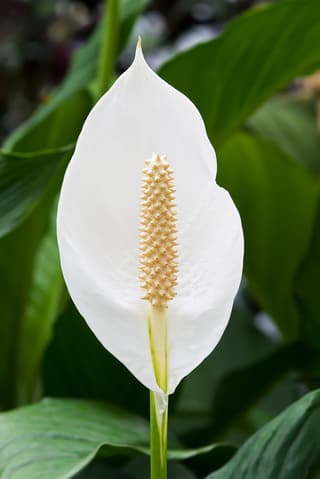
| Peace Lily | Easy | Low light | 4d | ⚠️ |
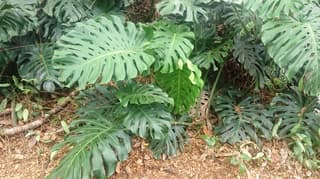
| Swiss Cheese Plant | Easy | Partial shade | 10d | ⚠️ |
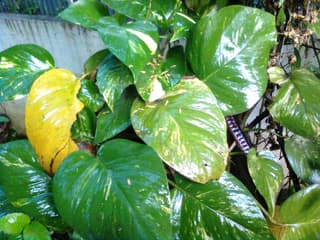
| Golden Pothos | Easy | Low light | 8d | ⚠️ |
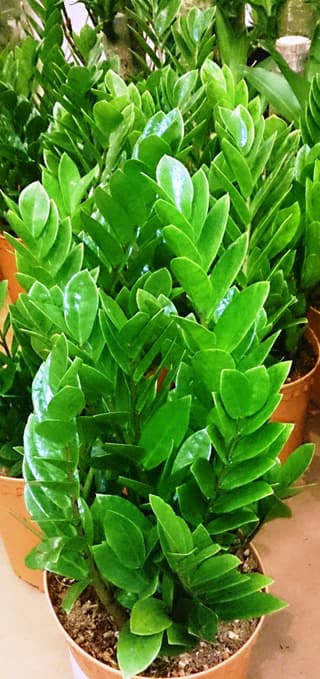
| ZZ Plant | Easy | Low light | 18d | ⚠️ |