Asteraceae
Tarragon (Artemisia dracunculus): Complete Growing Guide
Artemisia dracunculus
An easy-to-grow herb that is drought-tolerant once established. Requires full sun, well-drained soil, and moderate watering every 7 days. Needs minimal fertilization and actually thrives in nutrient-poor soil. Suitable for containers or garden beds.
Every 7 days
Direct sun
-20° - 35°C
30% - 50%
Categories
What is Tarragon?
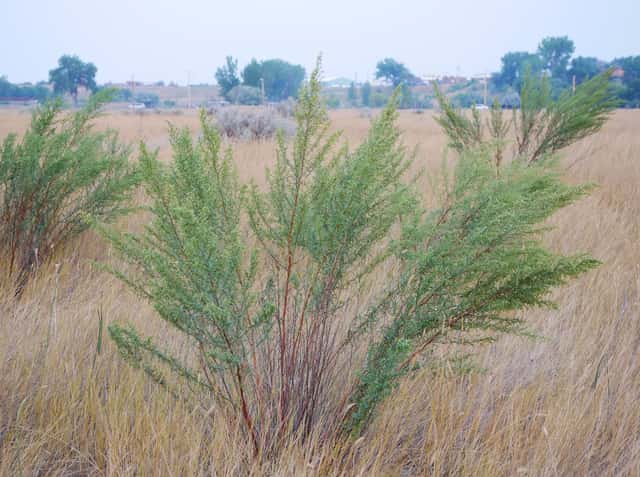
Tarragon (Artemisia dracunculus) is a easy-care plant from the Asteraceae family. Tarragon (Artemisia dracunculus) is a perennial aromatic herb in the Asteraceae family, native to Central Asia and Eastern Europe. Prized in European cuisine — especially French cooking — it is distinguished by its characteristic anise-like flavor. It forms compact clumps of narrow, gray-green leave...
Tarragon grows up to 1.2m, spread of 45cm, watering every 7 days, -20°C – 35°C, 30–50% humidity. It is suitable for indoor environments and not safe for pets.
Unlike many tropical plants, Tarragon tolerates watering mistakes. Best for beginners. Without precautions, ingestion can cause irritation in pets. Keep out of reach of cats and dogs. Without adequate drainage, root rot can develop within 14 days.
How to Care for Tarragon?
TLDR: Tarragon needs Direct sun, watering every 7 days, and temperatures between -20-35°C with 30-50% humidity.
How Often Should You Water Tarragon?
Water once a week, allowing the soil to dry out completely between waterings. Avoid waterlogging as excess moisture causes root rot. In winter, reduce watering to a minimum while the plant is dormant.
How Much Light Does Tarragon Need?
Requires full sun — at least 6 hours of direct sunlight per day. In very hot climates, partial afternoon shade can help preserve leaf flavor and essential oil content.
What Is the Best Soil for Tarragon?
Prefers sandy or light loamy soil, well-draining with pH 6.5–7.5. Overly rich soils reduce the flavor and aroma of the leaves. Avoid heavy clay soils that retain moisture.
What Pot Should You Use for Tarragon?
Terracotta pot with good drainage or raised garden bed. Avoid containers without drainage holes.
Care Schedule
Fertilize
Every 30 days
What Is Tarragon and Where Does It Come From?
Tarragon (Artemisia dracunculus) is a perennial aromatic herb in the Asteraceae family, native to Central Asia and Eastern Europe. Prized in European cuisine — especially French cooking — it is distinguished by its characteristic anise-like flavor. It forms compact clumps of narrow, gray-green leaves and goes dormant in winter, resprouting vigorously each spring.
How to Propagate Tarragon?
Clump Division
Dividing every 2-3 years rejuvenates the plant and improves leaf flavor. Use clean, sharp tools to prevent disease transmission.
- 1 Divide the clump in spring when the plant resumes growth
- 2 Carefully separate rhizomes using a clean knife
- 3 Plant each division in well-drained soil with 40-50 cm spacing
- 4 Water moderately after planting and protect from intense sun for a few days
Materials needed:
Stem Cutting
Use cuttings from French tarragon to ensure the same aromatic qualities as the parent plant. Russian tarragon can be propagated from seed.
- 1 Cut young 10-15 cm tip shoots from the plant in spring
- 2 Remove lower leaves leaving only 2-3 leaves at the top
- 3 Apply rooting hormone to the cut base
- 4 Plant in light moist substrate maintaining high humidity until rooted
Materials needed:
How Big Does Tarragon Grow?
TLDR: Tarragon can reach up to 1.2m tall with Medium growth rate.
Max height
1.2m
Spread
45cm
Growth rate
Medium
Foliage
Deciduous
Warning: Toxic Plant
This plant can be toxic if ingested. Keep out of reach of:
Plant Uses
Edible
Can be consumed
Medicinal
Medicinal properties
Aromatic
Pleasant fragrance
Ornamental
Great for decoration
Medicinal Uses
- Traditional digestive aid
- Antioxidant properties
- Appetite stimulant in herbal medicine
- Contains compounds with antimicrobial activity
Culinary Uses
- Essential French cuisine herb (fines herbes)
- Flavoring for eggs, poultry, fish, and sauces
- Infused tarragon vinegar
- Tarragon butter for grilled meats
- Key ingredient in béarnaise sauce
Is your plant showing symptoms?
Click on the symptom to discover possible causes:
What Diseases Commonly Affect Tarragon?
TLDR: Tarragon is susceptible to 8 known diseases. Monitor regularly for early detection.
Root Rot
Root rot is a serious fungal disease that affects the root system of plants, causing them to decay and die. It is primarily caused by overwatering, poor drainage, or soil-borne fungi such as Pythium, Phytophthora, Rhizoctonia, and Fusarium. The disease thrives in waterlogged conditions where roots are deprived of oxygen, making them susceptible to fungal infection.
Crown Rot
Crown rot is a serious fungal disease that attacks the crown (base) of the plant where the stem meets the soil. It is caused by various fungal pathogens including Phytophthora, Fusarium, and Rhizoctonia. The disease thrives in waterlogged conditions and can quickly spread to kill the entire plant if not addressed promptly.
Powdery Mildew
Powdery mildew is a common fungal disease caused by various fungi species including Erysiphe, Podosphaera, Oïdium, and Leveillula. It affects over 10,000 plant species worldwide. The disease thrives in warm, dry climates with high humidity and appears as a distinctive white powdery coating on plant surfaces.
Rust
Rust is a common fungal disease caused by fungi in the order Pucciniales that affects a wide variety of plants. The disease gets its name from the characteristic orange, yellow, or reddish-brown pustules that appear on leaves, resembling metal rust. This obligate fungal parasite requires living plants to survive and can cause significant economic losses in agricultural crops.
Meaning & Symbolism
Lasting interest
Fun Facts
French tarragon is sterile and produces no viable seeds — it has been propagated vegetatively for centuries
The species name dracunculus means "little dragon" in Latin, likely referring to the twisted, dragon-like appearance of its roots
Tarragon is one of the four herbs in the classic French fines herbes blend alongside chervil, parsley, and chives
Tarragon has been used for over 600 years in traditional medicine as a digestive aid and natural antiseptic
Frequently asked questions
How often should I water tarragon?
Does tarragon need full sun?
Is tarragon toxic to cats and dogs?
How do I propagate French tarragon?
When should I harvest tarragon leaves?
Compare with similar plants
| Attribute | Difficulty | Light | Watering | Pet Safe |
|---|---|---|---|---|
| Field Maple | Easy | Bright indirect | 14d | ✓ |
| Silver Birch | Easy | Direct sun | 14d | ✓ |
| Common Blanketflower | Easy | Direct sun | 10d | ✓ |
| Cushion Bush | Easy | Direct sun | 14d | ✓ |





