Crassulaceae
Orpine — Hylotelephium telephium
Hylotelephium telephium
Very easy to grow. Needs full sun and well-drained soil. Highly drought-tolerant — water only when the soil is completely dry. No misting required. Best suited for outdoor growing.
Every 14 days
Direct sun
-34° - 35°C
30% - 60%
Categories
What is Orpine?
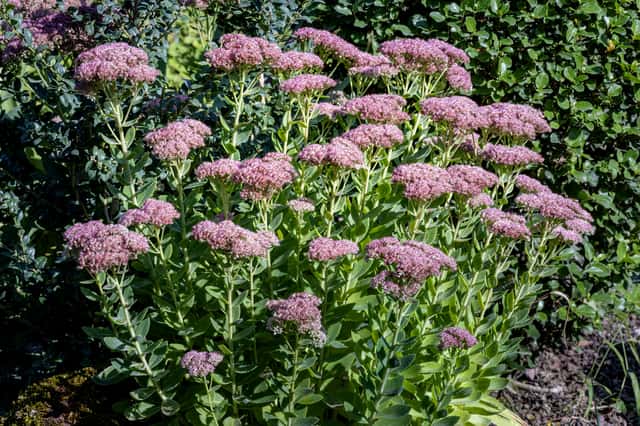
Orpine (Hylotelephium telephium) is a easy-care plant from the Crassulaceae family. Orpine (Hylotelephium telephium) is a hardy Eurasian succulent perennial celebrated for its fleshy blue-green foliage and dense clusters of star-shaped flowers in shades of pink and purple from midsummer to autumn. Exceptionally drought-tolerant and cold-hardy to USDA zone 3, it thrives in sunny bor...
Orpine grows up to 90cm, spread of 60cm, watering every 14 days, -34°C – 35°C, 30–60% humidity. It is not suitable for indoor environments and safe for pets.
Unlike many tropical plants, Orpine tolerates watering mistakes. Best for beginners. Unlike many popular species, Orpine is safe to keep around pets.
How to Care for Orpine?
TLDR: Orpine needs Direct sun, watering every 14 days, and temperatures between -34-35°C with 30-60% humidity.
How Often Should You Water Orpine?
Water every 10-14 days using the soak-and-dry method: water deeply, then allow the soil to dry out completely before watering again. Overwatering is the main cause of root rot. Reduce watering significantly in winter during dormancy.
How Much Light Does Orpine Need?
Plant in full sun (at least 6 hours of direct sunlight per day). Will tolerate light shade but produces the best flowers and most compact growth in full sun.
What Is the Best Soil for Orpine?
Use very well-draining soil — mix garden soil with coarse sand or perlite. Tolerates poor, sandy, or gravelly soils. Avoid clay-heavy or moisture-retaining mixes. Ideal pH 6.0–8.0.
What Pot Should You Use for Orpine?
Terracotta or clay pots are ideal for their breathability and drainage. Always ensure drainage holes are present. In the garden, plant directly in the ground in a sunny, well-drained spot.
Care Schedule
Fertilize
Every 60 days
Repot
Every 730 days
What Is Orpine and Where Does It Come From?
Orpine (Hylotelephium telephium) is a hardy Eurasian succulent perennial celebrated for its fleshy blue-green foliage and dense clusters of star-shaped flowers in shades of pink and purple from midsummer to autumn. Exceptionally drought-tolerant and cold-hardy to USDA zone 3, it thrives in sunny borders, rock gardens, and dry landscapes.
How to Propagate Orpine?
Crown Division
Divide every 2-3 years to maintain plant vigor. Work on cool or overcast days to minimize stress.
- 1 Dig up the clump in early spring before new growth begins
- 2 Divide into sections, each with healthy roots, using a sharp spade or knife
- 3 Replant each division at the same depth in well-drained soil
- 4 Water lightly and allow to establish over 2-4 weeks
Materials needed:
Stem Cutting
Do not overwater during rooting. Once rooted, gradually acclimate to full sun exposure.
- 1 Take a healthy stem cutting 8-10 cm long
- 2 Remove lower leaves and allow the cut end to callous for 1-2 days
- 3 Insert into slightly moist, well-draining substrate
- 4 Keep in bright indirect light until rooted, then transition to full sun
Materials needed:
How Big Does Orpine Grow?
TLDR: Orpine can reach up to 90cm tall with Medium growth rate.
Max height
90cm
Spread
60cm
Growth rate
Medium
Foliage
Deciduous
Plant Uses
Ornamental
Great for decoration
Medicinal
Medicinal properties
Edible
Can be consumed
Medicinal Uses
- Historically used by Romans to treat wounds and skin conditions
- Used in European folk medicine to treat internal ulcers and inflammations
Culinary Uses
- Young leaves can be eaten raw in salads
- Firm tubers and young leaves can be cooked as a vegetable
Is your plant showing symptoms?
Click on the symptom to discover possible causes:
What Diseases Commonly Affect Orpine?
TLDR: Orpine is susceptible to 8 known diseases. Monitor regularly for early detection.
Root Rot
Root rot is a serious fungal disease that affects the root system of plants, causing them to decay and die. It is primarily caused by overwatering, poor drainage, or soil-borne fungi such as Pythium, Phytophthora, Rhizoctonia, and Fusarium. The disease thrives in waterlogged conditions where roots are deprived of oxygen, making them susceptible to fungal infection.
Crown Rot
Crown rot is a serious fungal disease that attacks the crown (base) of the plant where the stem meets the soil. It is caused by various fungal pathogens including Phytophthora, Fusarium, and Rhizoctonia. The disease thrives in waterlogged conditions and can quickly spread to kill the entire plant if not addressed promptly.
Powdery Mildew
Powdery mildew is a common fungal disease caused by various fungi species including Erysiphe, Podosphaera, Oïdium, and Leveillula. It affects over 10,000 plant species worldwide. The disease thrives in warm, dry climates with high humidity and appears as a distinctive white powdery coating on plant surfaces.
Aphids
Aphids are small, soft-bodied, pear-shaped insects (1/16 to 1/8 inch long) that feed by sucking nutrient-rich sap from plants. They reproduce rapidly and can quickly weaken plants, causing distorted growth and transmitting plant viruses. Aphids come in various colors including green, black, red, yellow, brown, and gray. They secrete honeydew, a sticky substance that attracts ants and encourages sooty mold growth.
Meaning & Symbolism
In medieval European folklore, Orpine was used for love divination: young women would hang cut stems in their rooms and interpret the direction of growth as an omen of their romantic fate.
Fun Facts
The name 'Live-forever' comes from its ability to survive after being cut from the ground for extended periods
Hardy to -34°C, making it one of the toughest succulent perennials in the world
It was used in medieval European love divination rituals
A single plant can live for decades when well established in the right conditions
Frequently asked questions
How often should I water Orpine?
Can Orpine be grown indoors?
Is Orpine toxic to pets?
When does Orpine bloom?
How do I propagate Orpine?
Compare with similar plants
| Attribute | Difficulty | Light | Watering | Pet Safe |
|---|---|---|---|---|
| Field Maple | Easy | Bright indirect | 14d | ✓ |
| Silver Birch | Easy | Direct sun | 14d | ✓ |
| Cushion Bush | Easy | Direct sun | 14d | ✓ |
| Peruvian peppertree | Easy | Direct sun | 14d | ⚠️ |





