Scrophulariaceae
Texas Sage (Leucophyllum frutescens): Complete Care Guide
Leucophyllum frutescens
Extremely low-maintenance and drought-tolerant shrub. Requires full sun and well-draining sandy or gravelly soil. Water deeply but infrequently. No fertilizing needed — it thrives in poor soil. Perfect for xeriscaping and water-wise gardens in warm climates.
Every 30 days
Direct sun
-12° - 38°C
20% - 50%
Categories
What is Texas Sage?
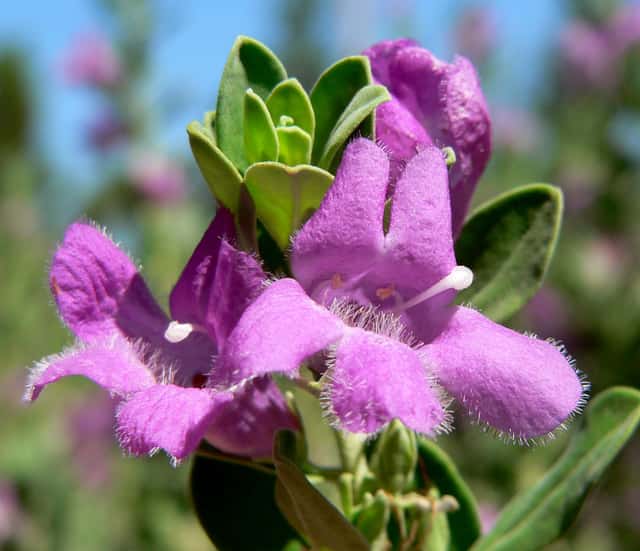
Texas Sage (Leucophyllum frutescens) is a easy-care plant from the Scrophulariaceae family. Texas Sage (Leucophyllum frutescens) is a stunning evergreen shrub native to the arid regions of Texas and northern Mexico. Celebrated for its extraordinary drought tolerance and silvery-gray foliage, this low-maintenance plant bursts into bloom with vibrant purple, violet, or lavender flowers durin...
Texas Sage grows up to 2.4m, with spread of 183cm, watering every 30 days, -12°C – 38°C, 20–50% humidity. It is not suitable for indoor environments and safe for pets.
Unlike many tropical plants, Texas Sage tolerates watering mistakes. Best for beginners. Unlike many popular species, Texas Sage is safe to keep around pets.
How to Care for Texas Sage?
TLDR: Texas Sage needs Direct sun, watering every 30 days, and temperatures between -12-38°C with 20-50% humidity.
How Often Should You Water Texas Sage?
Water deeply every 3-4 weeks during summer. Established plants rarely need supplemental watering beyond natural rainfall. Overwatering is the most common cause of decline — always allow soil to dry completely between waterings.
How Much Light Does Texas Sage Need?
Requires full sun with a minimum of 6-8 hours of direct sunlight daily. Avoid partial shade as it causes leggy growth and significantly reduces flowering.
What Is the Best Soil for Texas Sage?
Prefers sandy or gravelly soil with excellent drainage and a pH of 6.6-8.5. Tolerates poor, alkaline soils. Never plant in heavy clay or poorly draining soil, as wet roots lead to rapid decline.
What Pot Should You Use for Texas Sage?
Terracotta or unglazed ceramic pot with generous drainage holes. Clay pots are ideal as they allow moisture to evaporate quickly, preventing waterlogging.
What Is Texas Sage and Where Does It Come From?
Texas Sage (Leucophyllum frutescens) is a stunning evergreen shrub native to the arid regions of Texas and northern Mexico. Celebrated for its extraordinary drought tolerance and silvery-gray foliage, this low-maintenance plant bursts into bloom with vibrant purple, violet, or lavender flowers during summer and fall. Commonly known as the "barometer bush," it flowers in response to high humidity and falling atmospheric pressure — often right before or after rain. A beloved staple of xeriscape gardens and water-wise landscaping.
How to Propagate Texas Sage?
Stem Cutting
Use sterilized pruners. Keep the medium barely moist, never wet. Success rate improves in warm conditions above 70°F.
- 1 Take a 4-6 inch semi-hardwood cutting in spring or early summer
- 2 Remove lower leaves, leaving 2-3 leaves at the tip
- 3 Dip the cut end in rooting hormone powder
- 4 Plant in a well-draining sandy mix
- 5 Keep in a warm, bright location out of direct sun until rooted
Materials needed:
Seed Propagation
Fresh seeds have better germination rates. No stratification required.
- 1 Collect seeds from mature pods in late fall
- 2 Sow in sandy, lightly moist seed-starting mix
- 3 Cover lightly with soil and place in a sunny location
- 4 Germination occurs in 2-4 weeks at 68-77°F (20-25°C)
Materials needed:
How Big Does Texas Sage Grow?
TLDR: Texas Sage can reach up to 2.4m tall with Medium growth rate.
Max height
2.4m
Spread
1.8m
Growth rate
Medium
Foliage
Evergreen
Plant Uses
Ornamental
Great for decoration
Is your plant showing symptoms?
Click on the symptom to discover possible causes:
What Diseases Commonly Affect Texas Sage?
TLDR: Texas Sage is susceptible to 4 known diseases. Monitor regularly for early detection.
Root Rot
Root rot is a serious fungal disease that affects the root system of plants, causing them to decay and die. It is primarily caused by overwatering, poor drainage, or soil-borne fungi such as Pythium, Phytophthora, Rhizoctonia, and Fusarium. The disease thrives in waterlogged conditions where roots are deprived of oxygen, making them susceptible to fungal infection.
Phytophthora Blight
Devastating fungal disease caused by Phytophthora species (primarily P. capsici and P. infestans), famously responsible for the Irish Potato Famine in the 1840s. Affects all plant parts including roots, stems, leaves, and fruits in warm, wet conditions. The pathogen is technically an oomycete (water mold) that thrives in saturated soils and can survive in soil for 5+ years.
Powdery Mildew
Powdery mildew is a common fungal disease caused by various fungi species including Erysiphe, Podosphaera, Oïdium, and Leveillula. It affects over 10,000 plant species worldwide. The disease thrives in warm, dry climates with high humidity and appears as a distinctive white powdery coating on plant surfaces.
Aphids
Aphids are small, soft-bodied, pear-shaped insects (1/16 to 1/8 inch long) that feed by sucking nutrient-rich sap from plants. They reproduce rapidly and can quickly weaken plants, causing distorted growth and transmitting plant viruses. Aphids come in various colors including green, black, red, yellow, brown, and gray. They secrete honeydew, a sticky substance that attracts ants and encourages sooty mold growth.
Meaning & Symbolism
Known as the "barometer bush," Texas Sage is a symbol of resilience and adaptability in the arid landscapes of Texas and northern Mexico. Its dramatic blooms before rainfall are regarded as a natural weather sign.
Fun Facts
It blooms explosively in response to falling atmospheric pressure, earning the nickname "barometer bush"
Texas Sage is the official State Native Shrub of Texas, symbolizing resilience and desert beauty
Its flowers attract hummingbirds, butterflies, and bees, making it an excellent pollinator garden plant
Once established, it can thrive for decades with minimal care if planted in the right spot with good drainage
Frequently asked questions
How often should I water Texas Sage?
Is Texas Sage toxic to pets?
Why is my Texas Sage not blooming?
What soil does Texas Sage prefer?
How do I prune Texas Sage?
Compare with similar plants
| Attribute | Difficulty | Light | Watering | Pet Safe |
|---|---|---|---|---|
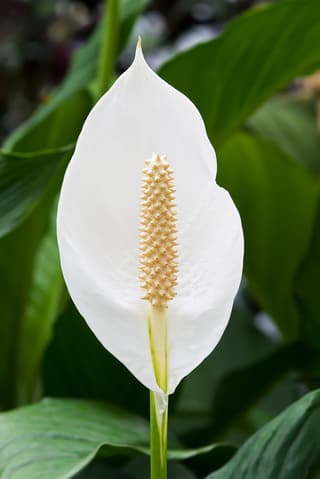
| Peace Lily | Easy | Low light | 4d | ⚠️ |
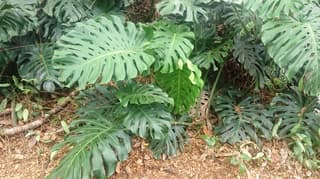
| Swiss Cheese Plant | Easy | Partial shade | 10d | ⚠️ |
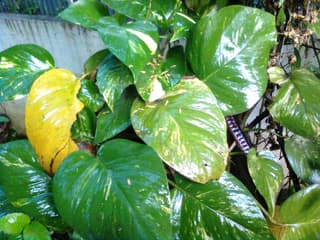
| Golden Pothos | Easy | Low light | 8d | ⚠️ |
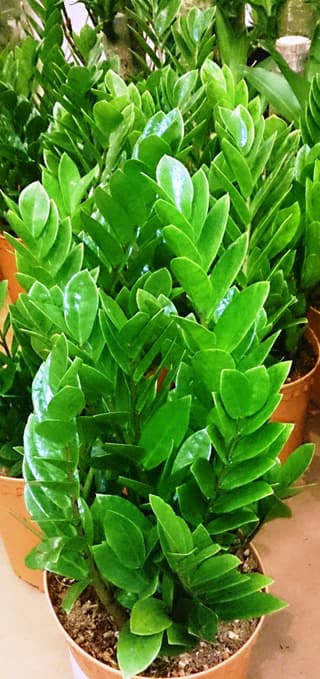
| ZZ Plant | Easy | Low light | 18d | ⚠️ |