Magnoliaceae
tuliptree: Full Sun Plant
Liriodendron tulipifera
This tree requires full sun and deep, moist, well-drained soil to thrive. It is best suited for large landscapes where its extensive root system and height have room to expand.
Every 7 days
Direct sun
-23° - 35°C
30% - 50%
Categories
What is tuliptree?
tuliptree (Liriodendron tulipifera) is a easy-care plant from the Magnoliaceae family. Liriodendron tulipifera, commonly known as the Tuliptree or Tulip Poplar, is one of the largest and most majestic deciduous trees native to eastern North America. It is characterized by its unique four-lobed leaves and large, tulip-shaped flowers that appear in late spring. The flowers are greenish-...
tuliptree grows up to 36.6m, with spread of 1524cm, watering every 7 days, -23°C – 35°C, 30–50% humidity. It is not suitable for indoor environments and safe for pets.
Unlike many tropical plants, tuliptree tolerates watering mistakes. Best for beginners. Unlike many popular species, tuliptree is safe to keep around pets.
How to Care for tuliptree?
TLDR: tuliptree needs Direct sun, watering every 7 days, and temperatures between -23-35°C with 30-50% humidity.
How Often Should You Water tuliptree?
Provide regular deep watering during dry spells, especially for young trees, to maintain consistent soil moisture.
How Much Light Does tuliptree Need?
Requires full, direct sunlight for at least 6 hours a day to ensure proper flowering and structural strength.
What Is the Best Soil for tuliptree?
Prefers deep, fertile, and slightly acidic soil. It does not tolerate shallow or very dry soils well.
What Pot Should You Use for tuliptree?
Not suitable for long-term container growth; should be planted in open ground.
Care Schedule
Fertilize
Every 90 days
What Is tuliptree and Where Does It Come From?
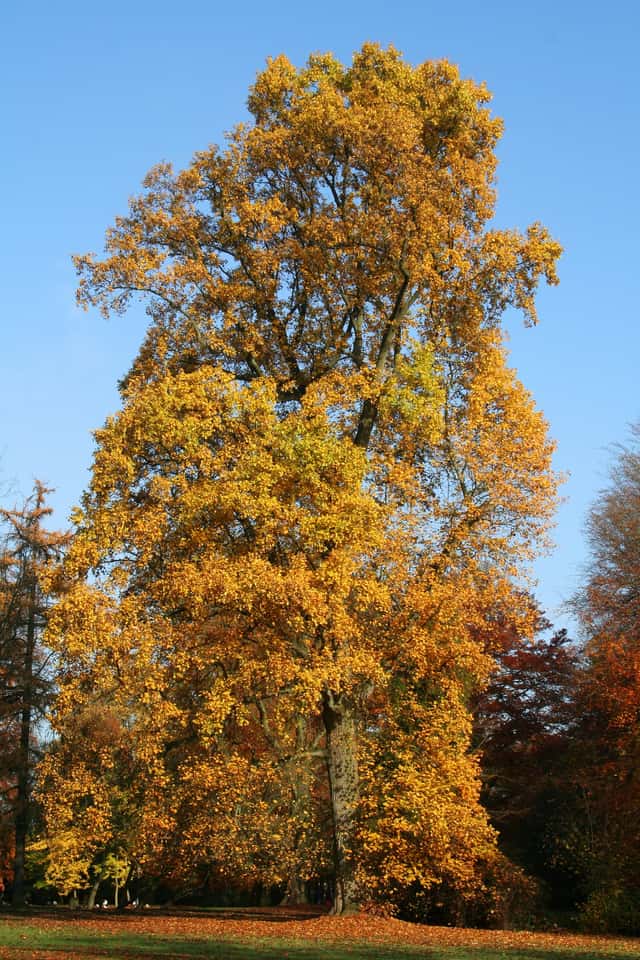
Liriodendron tulipifera, commonly known as the Tuliptree or Tulip Poplar, is one of the largest and most majestic deciduous trees native to eastern North America. It is characterized by its unique four-lobed leaves and large, tulip-shaped flowers that appear in late spring. The flowers are greenish-yellow with a vibrant orange band at the base. It is a fast-growing hardwood that can reach massive heights, often serving as a canopy tree in forests.
How to Propagate tuliptree?
Seed Propagation
- Germination rates are naturally low for this species, so sow more seeds than needed.
- Keep the soil consistently moist during the first year.
- 1 Seed Collection
Collect winged samaras in the fall when they turn brown and begin to shatter.
- 2 Cold Stratification
Place seeds in a moist medium and refrigerate at 4°C for 60-90 days to break dormancy.
- 3 Sowing
Sow seeds in a nursery bed or deep containers with rich, moist soil in early spring.
Materials needed:
How Big Does tuliptree Grow?
TLDR: tuliptree can reach up to 36.6m tall with Fast growth rate.
Max height
36.6m
Spread
15.2m
Growth rate
Fast
Foliage
Deciduous
Plant Uses
Ornamental
Great for decoration
Medicinal Uses
- Historically used by Native Americans as a tonic from the inner bark
- Root bark used as a stimulant
Culinary Uses
- Honey production (Tulip Poplar honey)
Is your plant showing symptoms?
Click on the symptom to discover possible causes:
What Diseases Commonly Affect tuliptree?
TLDR: tuliptree is susceptible to 8 known diseases. Monitor regularly for early detection.
Aphids
Aphids are small, soft-bodied, pear-shaped insects (1/16 to 1/8 inch long) that feed by sucking nutrient-rich sap from plants. They reproduce rapidly and can quickly weaken plants, causing distorted growth and transmitting plant viruses. Aphids come in various colors including green, black, red, yellow, brown, and gray. They secrete honeydew, a sticky substance that attracts ants and encourages sooty mold growth.
Scale Insects
Scale insects are small sap-sucking pests that appear as brown, shell-like bumps on plant stems and leaves. There are over 25 species, divided into armored (hard) and unarmored (soft) scales. They feed by piercing plant tissue and extracting sap, which weakens the plant and can lead to yellowing, stunted growth, and even death if left untreated. They also excrete honeydew, which attracts ants and promotes sooty mold growth.
Verticillium Wilt
Verticillium wilt is a soil-borne fungal disease caused primarily by the fungi Verticillium dahliae and V. albo-atrum. These pathogens infect plant roots and grow within the vascular tissues, blocking water and nutrient transport, resulting in wilting and eventual plant death. The disease affects over 350 plant species including vegetables, fruits, ornamental flowers, and trees. The fungi can survive in soil for more than 10 years as resistant structures called microsclerotia.
Powdery Mildew
Powdery mildew is a common fungal disease caused by various fungi species including Erysiphe, Podosphaera, Oïdium, and Leveillula. It affects over 10,000 plant species worldwide. The disease thrives in warm, dry climates with high humidity and appears as a distinctive white powdery coating on plant surfaces.
Meaning & Symbolism
The state tree of Indiana, Kentucky, and Tennessee; symbolizes liberty and grandeur.
Compare with similar plants
| Attribute | Difficulty | Light | Watering | Pet Safe |
|---|---|---|---|---|
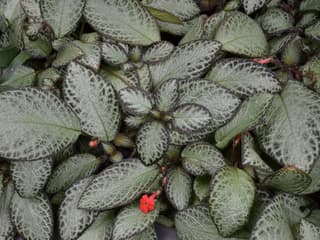
| Flame Violet | Easy | Partial shade | 7d | ✓ |
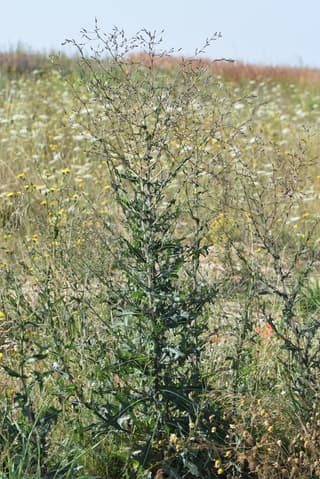
| Prickly Lettuce | Easy | Direct sun | 7d | ✓ |
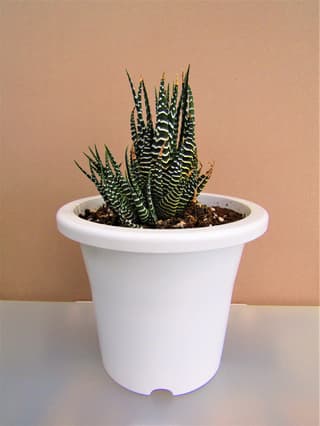
| Haworthiopsis (genus) | Easy | Partial shade | 14d | ✓ |
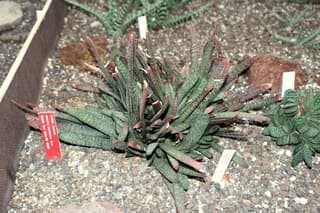
| Gasteria (genus) | Easy | Partial shade | 14d | ✓ |