Asteraceae
Jerusalem Artichoke (Helianthus tuberosus)
Helianthus tuberosus
Jerusalem Artichoke is one of the easiest plants to grow. Plant tubers in full sun in well-draining soil. Water weekly and fertilize in spring. Cut stems back in autumn after frost. Harvest tubers from October onwards. Contain its spread with barriers as it spreads vigorously.
Every 7 days
Direct sun
-20° - 35°C
40% - 80%
Categories
What is Jerusalem Artichoke?
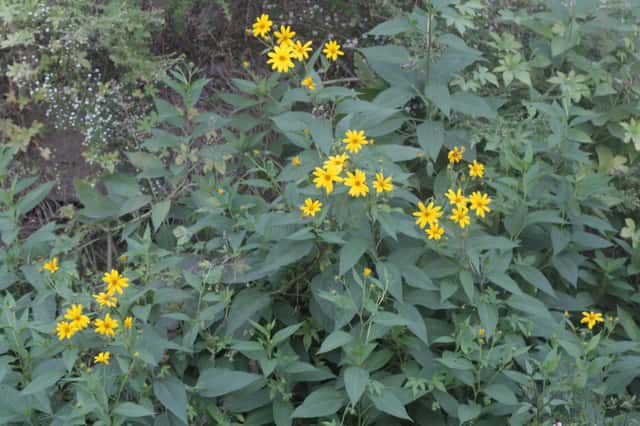
Jerusalem Artichoke (Helianthus tuberosus) is a easy-care plant from the Asteraceae family. Helianthus tuberosus, commonly known as Jerusalem Artichoke or Sunchoke, is a vigorous perennial sunflower native to central and eastern North America. It grows up to 3 meters tall, producing bright yellow sunflower-like blooms in late summer and fall, while developing knobby, edible tubers undergro...
Jerusalem Artichoke grows up to 3.0m, spread of 150cm, watering every 7 days, -20°C – 35°C, 40–80% humidity. It is not suitable for indoor environments and safe for pets.
Unlike many tropical plants, Jerusalem Artichoke tolerates watering mistakes. Best for beginners. Unlike many popular species, Jerusalem Artichoke is safe to keep around pets.
How to Care for Jerusalem Artichoke?
TLDR: Jerusalem Artichoke needs Direct sun, watering every 7 days, and temperatures between -20-35°C with 40-80% humidity.
How Often Should You Water Jerusalem Artichoke?
Water once a week during the growing season. Reduce watering in winter when dormant. Avoid waterlogged soil as it causes root rot. Established plants are fairly drought-tolerant but produce better tubers with consistent moisture.
How Much Light Does Jerusalem Artichoke Need?
Requires full sun — at least 6 to 8 hours of direct sunlight daily. More sun means more flowers and a better tuber harvest. Will not thrive in shaded positions.
What Is the Best Soil for Jerusalem Artichoke?
Plant in well-draining, moderately fertile soil. Tolerates a wide pH range (5.8–7.5). Avoid heavy clay or permanently waterlogged soils. Sandy loam with good drainage is ideal for tuber development.
What Pot Should You Use for Jerusalem Artichoke?
Large outdoor garden bed or raised bed. Use physical barriers (buried plastic sheeting) to prevent the plant from spreading uncontrollably. Not suitable for containers.
Care Schedule
Fertilize
Every 90 days
What Is Jerusalem Artichoke and Where Does It Come From?
Helianthus tuberosus, commonly known as Jerusalem Artichoke or Sunchoke, is a vigorous perennial sunflower native to central and eastern North America. It grows up to 3 meters tall, producing bright yellow sunflower-like blooms in late summer and fall, while developing knobby, edible tubers underground. One of the most productive and hardy food crops, it thrives in a wide range of conditions and was a staple food of Native American peoples long before European contact.
How to Propagate Jerusalem Artichoke?
Tuber Division
Plant as early as possible in spring when soil is workable. Use whole small tubers or 50g pieces for best results. Always leave some tubers in the ground for next year.
- 1 Select healthy tubers with at least one growth node
- 2 Cut large tubers into 50g pieces, each with a bud
- 3 Plant tubers 10cm deep and 30-45cm apart in spring
- 4 Keep soil moist until shoots emerge
- 5 Thin plants if overcrowded
Materials needed:
How Big Does Jerusalem Artichoke Grow?
TLDR: Jerusalem Artichoke can reach up to 3.0m tall with Fast growth rate.
Max height
3.0m
Spread
1.5m
Growth rate
Fast
Foliage
Deciduous
Plant Uses
Edible
Can be consumed
Ornamental
Great for decoration
Medicinal Uses
- Inulin in tubers supports gut health and acts as a prebiotic
- Traditionally used by Native Americans for diabetes management
- High potassium content supports heart health
Culinary Uses
- Edible raw or cooked tubers — taste similar to artichoke
- Can be roasted, boiled, mashed, or sautéed like potatoes
- Excellent in soups, gratins, and salads
- Can be dried and ground into flour
- Young flower petals are also edible
Is your plant showing symptoms?
Click on the symptom to discover possible causes:
What Diseases Commonly Affect Jerusalem Artichoke?
TLDR: Jerusalem Artichoke is susceptible to 8 known diseases. Monitor regularly for early detection.
Powdery Mildew
Powdery mildew is a common fungal disease caused by various fungi species including Erysiphe, Podosphaera, Oïdium, and Leveillula. It affects over 10,000 plant species worldwide. The disease thrives in warm, dry climates with high humidity and appears as a distinctive white powdery coating on plant surfaces.
Root Rot
Root rot is a serious fungal disease that affects the root system of plants, causing them to decay and die. It is primarily caused by overwatering, poor drainage, or soil-borne fungi such as Pythium, Phytophthora, Rhizoctonia, and Fusarium. The disease thrives in waterlogged conditions where roots are deprived of oxygen, making them susceptible to fungal infection.
Downy Mildew
Downy mildew is a fungal-like disease caused by oomycetes (water molds) that thrives in cool, wet conditions. It affects a wide range of plants, causing yellowing leaves with fuzzy white-gray growth underneath, leading to defoliation and reduced yields if left untreated.
White Mold
White mold (Sclerotinia sclerotiorum) is a devastating fungal disease affecting over 400 plant species worldwide. The fungus produces black, seed-like structures (sclerotia) that can survive in soil for 5 or more years. The disease is favored by cool, moist weather (50-68°F/10-20°C), especially during flowering.
Meaning & Symbolism
Revered by Native American peoples as a vital food source, the Jerusalem Artichoke symbolizes resilience, abundance, and the bounty of the earth. Its ability to thrive in harsh conditions made it a symbol of survival and sustenance.
Fun Facts
Jerusalem Artichoke has no relation to Jerusalem or artichokes — the name may derive from the Italian word girasole (sunflower).
Native Americans cultivated it as a staple food crop long before European contact.
The tubers are rich in inulin, a prebiotic fiber that feeds beneficial gut bacteria.
It can produce up to 4–5 kg of tubers per plant in a single season.
Frequently asked questions
When do I harvest Jerusalem Artichoke tubers?
How do I prevent Jerusalem Artichoke from spreading?
Can I eat Jerusalem Artichoke raw?
Is Jerusalem Artichoke toxic to pets?
How tall does Jerusalem Artichoke grow?
Compare with similar plants
| Attribute | Difficulty | Light | Watering | Pet Safe |
|---|---|---|---|---|
| Field Maple | Easy | Bright indirect | 14d | ✓ |
| Silver Birch | Easy | Direct sun | 14d | ✓ |
| Cushion Bush | Easy | Direct sun | 14d | ✓ |
| Wild Lettuce | Medium | Direct sun | 7d | ⚠️ |





