Rhamnaceae
Japanese Raisin Tree: Complete Growing Guide
Hovenia dulcis
Low-maintenance tree that thrives in full sun and well-drained soils. Water regularly during the first year after planting; once established, tolerates drought well. Fertilize monthly during spring and summer. Prune annually in late winter to maintain shape.
Every 14 days
Bright indirect
-15° - 35°C
40% - 70%
Categories
What is Japanese Raisin Tree?
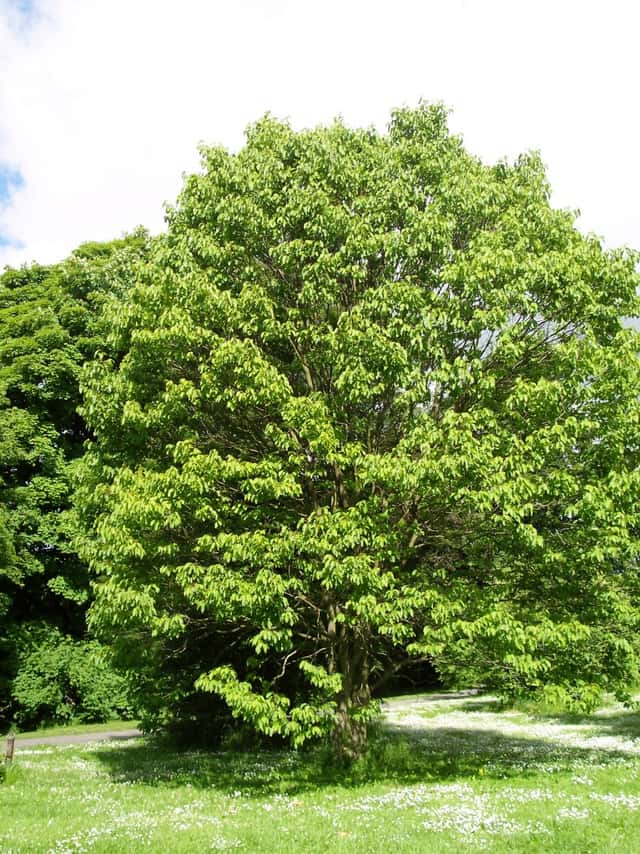
Japanese Raisin Tree (Hovenia dulcis) is a easy-care plant from the Rhamnaceae family. The Japanese Raisin Tree (Hovenia dulcis) is a medium to large deciduous tree native to East Asia (China, Japan, and Korea), widely planted as an ornamental shade tree and for its sweet edible fruit stalks. It belongs to the Rhamnaceae family and can reach up to 10 meters in cultivation. This except...
Japanese Raisin Tree grows up to 10.0m, with spread of 700cm, watering every 14 days, -15°C – 35°C, 40–70% humidity. It is not suitable for indoor environments and safe for pets.
Unlike many tropical plants, Japanese Raisin Tree tolerates watering mistakes. Best for beginners. Unlike many popular species, Japanese Raisin Tree is safe to keep around pets.
How to Care for Japanese Raisin Tree?
TLDR: Japanese Raisin Tree needs Bright indirect, watering every 14 days, and temperatures between -15-35°C with 40-70% humidity.
How Often Should You Water Japanese Raisin Tree?
Water established trees every 14 days, allowing the soil to dry slightly between waterings. Newly planted saplings need more frequent watering (every 3-4 days) during their first summer. Avoid waterlogging as roots are sensitive to standing water.
How Much Light Does Japanese Raisin Tree Need?
The Japanese Raisin Tree requires full sun for vigorous growth and good fruit production, needing 6 to 8 hours of direct sunlight daily. It can tolerate partial shade but will produce fewer fruit stalks. Avoid fully shaded locations.
What Is the Best Soil for Japanese Raisin Tree?
Prefers light, well-draining soils rich in organic matter. Adapts to sandy loam, loam, or even clay soils provided drainage is adequate. Optimal pH is 6.0-7.5. Amend soil with organic compost at planting to encourage strong root development.
What Pot Should You Use for Japanese Raisin Tree?
Large tree: plant directly in the ground with adequate space (minimum 5m from walls or buildings). Young trees can be grown in large containers (50-100 liters) using terracotta or polyethylene pots with good drainage.
Care Schedule
Fertilize
Every 30 days
What Is Japanese Raisin Tree and Where Does It Come From?
The Japanese Raisin Tree (Hovenia dulcis) is a medium to large deciduous tree native to East Asia (China, Japan, and Korea), widely planted as an ornamental shade tree and for its sweet edible fruit stalks. It belongs to the Rhamnaceae family and can reach up to 10 meters in cultivation. This exceptionally hardy species adapts to a wide range of soils, tolerates cold winters down to -15°C, and is largely resistant to pests and diseases, making it an excellent choice for gardens, parks, and urban landscaping.
How to Propagate Japanese Raisin Tree?
Seed sowing
Fresh seeds germinate more easily. Scarification significantly improves germination rates. Keep medium moist but not waterlogged.
- 1 Collect seeds from ripe fruits in autumn
- 2 Lightly scarify seeds with fine sandpaper to break dormancy
- 3 Sow in moist, well-draining growing medium at 1 cm depth
- 4 Keep in warm location (20-25°C) until germination
- 5 Transplant seedlings once they reach 15-20 cm in height
Materials needed:
Stem cutting
Use sharp, sterilized tools. Maintain humidity around cuttings with a plastic bag or humidity dome.
- 1 Take semi-hardwood cuttings 15-20 cm long in July/August
- 2 Remove leaves from the lower half of the cutting
- 3 Dip base in rooting hormone powder
- 4 Plant in moist, well-draining medium
- 5 Keep in indirect light with high humidity until rooted
Materials needed:
How Big Does Japanese Raisin Tree Grow?
TLDR: Japanese Raisin Tree can reach up to 10.0m tall with Medium growth rate.
Max height
10.0m
Spread
7.0m
Growth rate
Medium
Foliage
Deciduous
Plant Uses
Ornamental
Great for decoration
Edible
Can be consumed
Medicinal
Medicinal properties
Medicinal Uses
- Fruit stalks used in traditional Asian medicine as a hepatoprotective agent and natural hangover remedy
- Seed and young leaf extracts have antispasmodic, fever-reducing, and diuretic properties
Culinary Uses
- The sweet, fleshy fruit stalks are eaten fresh, dried (like raisins), or pressed into juice
- Used in artisanal alcoholic beverage production and as a natural sweetener in Asian cuisine
Is your plant showing symptoms?
Click on the symptom to discover possible causes:
What Diseases Commonly Affect Japanese Raisin Tree?
TLDR: Japanese Raisin Tree is susceptible to 3 known diseases. Monitor regularly for early detection.
Aphids
Aphids are small, soft-bodied, pear-shaped insects (1/16 to 1/8 inch long) that feed by sucking nutrient-rich sap from plants. They reproduce rapidly and can quickly weaken plants, causing distorted growth and transmitting plant viruses. Aphids come in various colors including green, black, red, yellow, brown, and gray. They secrete honeydew, a sticky substance that attracts ants and encourages sooty mold growth.
Powdery Mildew
Powdery mildew is a common fungal disease caused by various fungi species including Erysiphe, Podosphaera, Oïdium, and Leveillula. It affects over 10,000 plant species worldwide. The disease thrives in warm, dry climates with high humidity and appears as a distinctive white powdery coating on plant surfaces.
Root Rot
Root rot is a serious fungal disease that affects the root system of plants, causing them to decay and die. It is primarily caused by overwatering, poor drainage, or soil-borne fungi such as Pythium, Phytophthora, Rhizoctonia, and Fusarium. The disease thrives in waterlogged conditions where roots are deprived of oxygen, making them susceptible to fungal infection.
Meaning & Symbolism
In Asian culture, the Japanese Raisin Tree symbolizes abundance, hospitality, and longevity. Its sweet fruit stalks were traditionally offered as welcome gifts and symbols of prosperity.
Fun Facts
The edible part of the Japanese Raisin Tree is not the round seed but the swollen, twisted fruit stalk — one of nature's most surprising botanical tricks!
The species is considered invasive in parts of the southern United States due to its rapid naturalization in natural areas
Hovenia dulcis has been cultivated in China and Japan for over 1,000 years, with fruit stalks used as a traditional hangover remedy
It can tolerate temperatures down to -15°C, making it one of the most cold-hardy exotic fruit trees grown in temperate regions
Frequently asked questions
How often should I water the Japanese Raisin Tree?
Does the Japanese Raisin Tree need full sun?
Are the fruits of the Japanese Raisin Tree safe for pets?
When does the Japanese Raisin Tree start producing fruit?
Can the Japanese Raisin Tree be grown in a container?
Compare with similar plants
| Attribute | Difficulty | Light | Watering | Pet Safe |
|---|---|---|---|---|
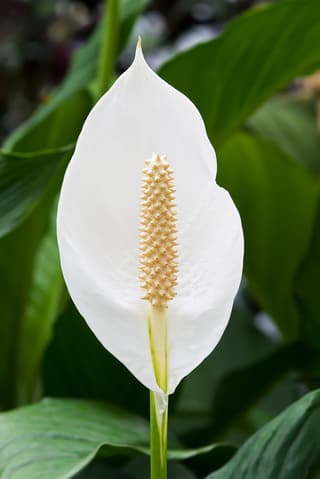
| Peace Lily | Easy | Low light | 4d | ⚠️ |
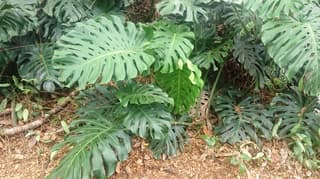
| Swiss Cheese Plant | Easy | Partial shade | 10d | ⚠️ |
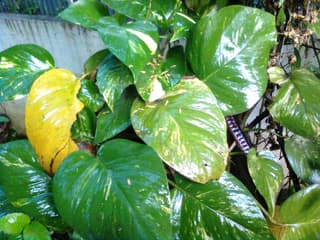
| Golden Pothos | Easy | Low light | 8d | ⚠️ |
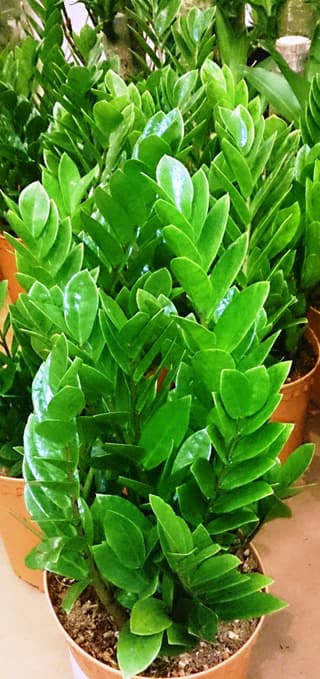
| ZZ Plant | Easy | Low light | 18d | ⚠️ |