Fabaceae
Vachellia — African & American Thorny Acacia
Vachellia
Full sun plant, extremely drought tolerant. Water every 14 days on average, less in winter. Requires well-drained or sandy soil. No misting needed. Excellent for xeriscaping and arid landscaping.
Every 14 days
Direct sun
-5° - 45°C
20% - 60%
Categories
What is Acacia / Whistling Thorn (genus)?
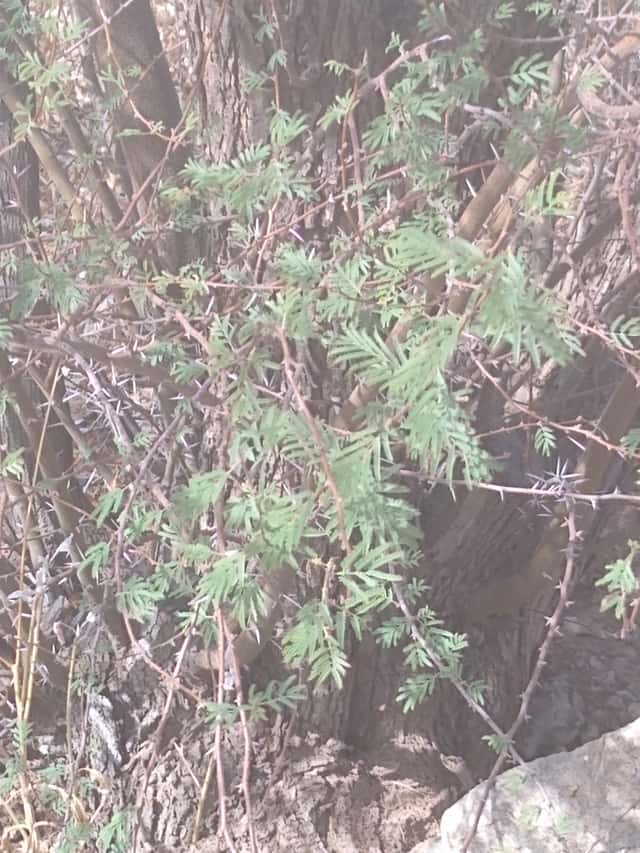
Acacia / Whistling Thorn (genus) (Vachellia) is a easy-care plant from the Fabaceae family. Vachellia is a genus of thorny trees and shrubs in the family Fabaceae, split from the broader Acacia genus in 2005 following molecular phylogenetic studies. It encompasses the iconic African and American acacias prized for drought tolerance and distinctive yellow pom-pom flowers.
Acacia / Whistling Thorn (genus) grows up to 12.0m, spread of 600cm, watering every 14 days, -5°C – 45°C, 20–60% humidity. It is not suitable for indoor environments and safe for pets.
Unlike many tropical plants, Acacia / Whistling Thorn (genus) tolerates watering mistakes. Best for beginners. Unlike many popular species, Acacia / Whistling Thorn (genus) is safe to keep around pets.
How to Care for Acacia / Whistling Thorn (genus)?
TLDR: Acacia / Whistling Thorn (genus) needs Direct sun, watering every 14 days, and temperatures between -5-45°C with 20-60% humidity.
How Often Should You Water Acacia / Whistling Thorn (genus)?
Water every 14 days or when soil is completely dry. Tolerates extended dry periods — avoid waterlogging at all costs.
How Much Light Does Acacia / Whistling Thorn (genus) Need?
Requires direct full sun (6-8+ hours/day). Does not tolerate shade.
What Is the Best Soil for Acacia / Whistling Thorn (genus)?
Prefers sandy or well-drained soil, slightly acidic to alkaline (pH 6–8). Avoid clay or compacted soils.
What Is Acacia / Whistling Thorn (genus) and Where Does It Come From?
Vachellia is a genus of thorny trees and shrubs in the family Fabaceae, split from the broader Acacia genus in 2005 following molecular phylogenetic studies. It encompasses the iconic African and American acacias prized for drought tolerance and distinctive yellow pom-pom flowers.
How Big Does Acacia / Whistling Thorn (genus) Grow?
TLDR: Acacia / Whistling Thorn (genus) can reach up to 12.0m tall with Medium growth rate.
Max height
12.0m
Spread
6.0m
Growth rate
Medium
Foliage
Deciduous
Plant Uses
Ornamental
Great for decoration
Is your plant showing symptoms?
Click on the symptom to discover possible causes:
What Diseases Commonly Affect Acacia / Whistling Thorn (genus)?
TLDR: Acacia / Whistling Thorn (genus) is susceptible to 4 known diseases. Monitor regularly for early detection.
Root Rot
Root rot is a serious fungal disease that affects the root system of plants, causing them to decay and die. It is primarily caused by overwatering, poor drainage, or soil-borne fungi such as Pythium, Phytophthora, Rhizoctonia, and Fusarium. The disease thrives in waterlogged conditions where roots are deprived of oxygen, making them susceptible to fungal infection.
Leaf Spot
Leaf spot is a common fungal disease caused by various pathogens including Alternaria, Ascochyta, Colletotrichum, Septoria, and Venturia. It primarily affects leaves, causing discolored spots that can lead to premature leaf drop if left untreated.
Scale Insects
Scale insects are small sap-sucking pests that appear as brown, shell-like bumps on plant stems and leaves. There are over 25 species, divided into armored (hard) and unarmored (soft) scales. They feed by piercing plant tissue and extracting sap, which weakens the plant and can lead to yellowing, stunted growth, and even death if left untreated. They also excrete honeydew, which attracts ants and promotes sooty mold growth.
Aphids
Aphids are small, soft-bodied, pear-shaped insects (1/16 to 1/8 inch long) that feed by sucking nutrient-rich sap from plants. They reproduce rapidly and can quickly weaken plants, causing distorted growth and transmitting plant viruses. Aphids come in various colors including green, black, red, yellow, brown, and gray. They secrete honeydew, a sticky substance that attracts ants and encourages sooty mold growth.
Fun Facts
Vachellia was split from Acacia in 2005 based on molecular phylogenetic studies.
Many Vachellia species have a symbiotic relationship with ants that inhabit their hollow thorns.
The characteristic yellow pom-pom flowers are a hallmark of the genus.
Compare with similar plants
| Attribute | Difficulty | Light | Watering | Pet Safe |
|---|---|---|---|---|
| Field Maple | Easy | Bright indirect | 14d | ✓ |
| Silver Birch | Easy | Direct sun | 14d | ✓ |
| Cushion Bush | Easy | Direct sun | 14d | ✓ |
| Peruvian peppertree | Easy | Direct sun | 14d | ⚠️ |