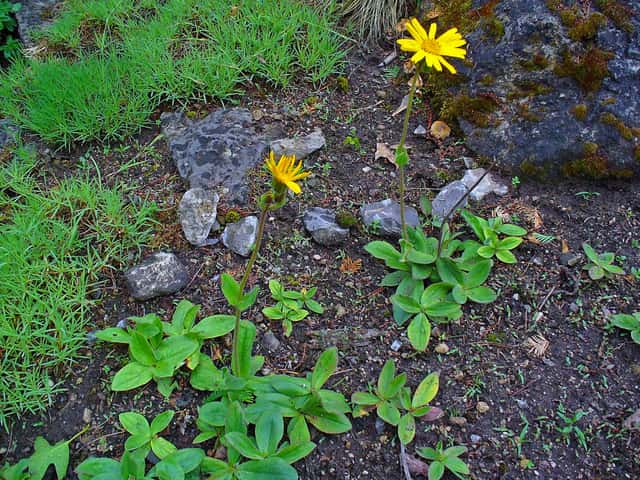
Asteraceae
Arnica (Arnica montana): Alpine Medicinal Plant Guide
Arnica montana
Grow outdoors in full sun with acidic, nutrient-poor, well-draining soil. Water moderately, avoiding waterlogging. Shelter from strong winds and late frosts. No regular fertilizing needed — rich soils inhibit growth.
Every 7 days
Direct sun
-20° - 30°C
40% - 70%
Categories
What is Arnica?
Arnica (Arnica montana) is a hard-care plant from the Asteraceae family. Arnica montana is a perennial herbaceous plant native to the mountainous regions of central and southern Europe, including the Alps, Pyrenees, and Carpathians. Revered for centuries in European folk medicine, it produces bright yellow, daisy-like flowers in summer. It is legally protected in several...
Arnica grows up to 60cm, spread of 40cm, watering every 7 days, -20°C – 30°C, 40–70% humidity. It is not suitable for indoor environments and not safe for pets.
Unlike easy-care plants, Arnica demands constant attention to humidity and light. Not recommended for beginners. Without precautions, ingestion can cause irritation in pets. Keep out of reach of cats and dogs.
How to Care for Arnica?
TLDR: Arnica needs Direct sun, watering every 7 days, and temperatures between -20-30°C with 40-70% humidity.
How Often Should You Water Arnica?
Water every 7 days during the growing season. Reduce watering in winter. Never allow the soil to remain waterlogged, but avoid prolonged drought stress.
How Much Light Does Arnica Need?
Requires full sun — at least 6 hours of direct sunlight per day. In very hot climates, light afternoon shade is tolerated.
What Is the Best Soil for Arnica?
Use acidic, well-draining, nutrient-poor soil. Ideal mix: coarse sand blended with slightly acidic garden soil. Avoid heavy clay or overly rich compost.
What Pot Should You Use for Arnica?
Terra cotta or stone pot with drainage holes; not suitable for indoor cultivation.
Care Schedule
Fertilize
Every 14 days
Misting
Every 3 days
Rotate
Every 7 days
Repot
Every 365 days
What Is Arnica and Where Does It Come From?
Arnica montana is a perennial herbaceous plant native to the mountainous regions of central and southern Europe, including the Alps, Pyrenees, and Carpathians. Revered for centuries in European folk medicine, it produces bright yellow, daisy-like flowers in summer. It is legally protected in several European countries due to overharvesting. The entire plant is toxic if ingested, but flower extracts are widely used in topical preparations to relieve bruising, muscle soreness, and inflammation.
How Big Does Arnica Grow?
TLDR: Arnica can reach up to 60cm tall with Slow growth rate.
Max height
60cm
Spread
40cm
Growth rate
Slow
Foliage
Deciduous
Warning: Toxic Plant
This plant can be toxic if ingested. Keep out of reach of:
Plant Uses
Medicinal
Medicinal properties
Ornamental
Great for decoration
Medicinal Uses
- Topical use: creams, ointments, and gels for bruises, muscle strains, joint pain, and sports injuries
- Homeopathy (highly diluted arnica): used for trauma, shock, and post-surgical recovery
Is your plant showing symptoms?
Click on the symptom to discover possible causes:
What Diseases Commonly Affect Arnica?
TLDR: Arnica is susceptible to 7 known diseases. Monitor regularly for early detection.
Powdery Mildew
Powdery mildew is a common fungal disease caused by various fungi species including Erysiphe, Podosphaera, Oïdium, and Leveillula. It affects over 10,000 plant species worldwide. The disease thrives in warm, dry climates with high humidity and appears as a distinctive white powdery coating on plant surfaces.
Root Rot
Root rot is a serious fungal disease that affects the root system of plants, causing them to decay and die. It is primarily caused by overwatering, poor drainage, or soil-borne fungi such as Pythium, Phytophthora, Rhizoctonia, and Fusarium. The disease thrives in waterlogged conditions where roots are deprived of oxygen, making them susceptible to fungal infection.
Rust
Rust is a common fungal disease caused by fungi in the order Pucciniales that affects a wide variety of plants. The disease gets its name from the characteristic orange, yellow, or reddish-brown pustules that appear on leaves, resembling metal rust. This obligate fungal parasite requires living plants to survive and can cause significant economic losses in agricultural crops.
Aphids
Aphids are small, soft-bodied, pear-shaped insects (1/16 to 1/8 inch long) that feed by sucking nutrient-rich sap from plants. They reproduce rapidly and can quickly weaken plants, causing distorted growth and transmitting plant viruses. Aphids come in various colors including green, black, red, yellow, brown, and gray. They secrete honeydew, a sticky substance that attracts ants and encourages sooty mold growth.
Meaning & Symbolism
In Alpine folk tradition, arnica symbolizes healing, endurance, and protection. Mountain climbers have long used it to soothe bruises and muscle fatigue after strenuous hikes.
Fun Facts
Arnica is a legally protected species in Germany, Austria, and several other European countries due to overharvesting in the wild.
The name "wolf's bane" was historically used to warn of the plant's toxicity — it was once believed to repel wolves.
Arnica contains helenalin, a sesquiterpene lactone responsible for both its anti-inflammatory effects and its toxicity when ingested.
Arnica plants only flower from their second year onward — patience is essential!
Frequently asked questions
Can arnica be grown indoors?
Is arnica poisonous?
When does arnica flower?
Compare with similar plants
| Attribute | Difficulty | Light | Watering | Pet Safe |
|---|---|---|---|---|
| Cushion Bush | Easy | Direct sun | 14d | ✓ |
| Wild Lettuce | Medium | Direct sun | 7d | ⚠️ |
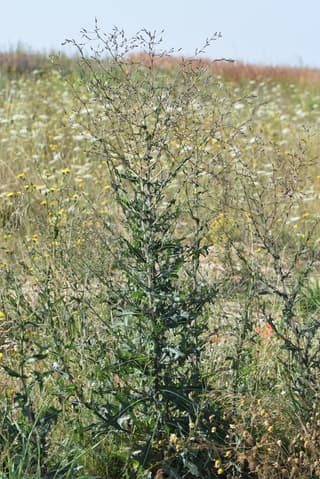
| Prickly Lettuce | Easy | Direct sun | 7d | ✓ |
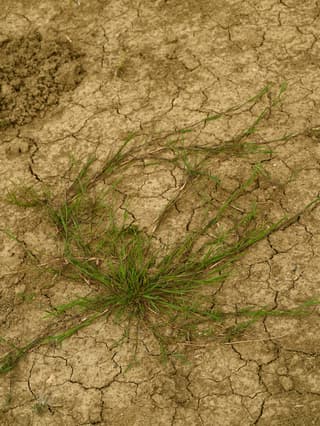
| Creeping bentgrass | Hard | Direct sun | 3d | ✓ |