Orchidaceae
Vanilla Orchid: Aromatic Plant
Vanilla planifolia
Requires a warm and very humid tropical environment, with bright indirect light and a firm support for its climbing aerial roots.
Every 6 days
Bright indirect
13° - 32°C
75% - 85%
Categories
What is Vanilla Orchid?
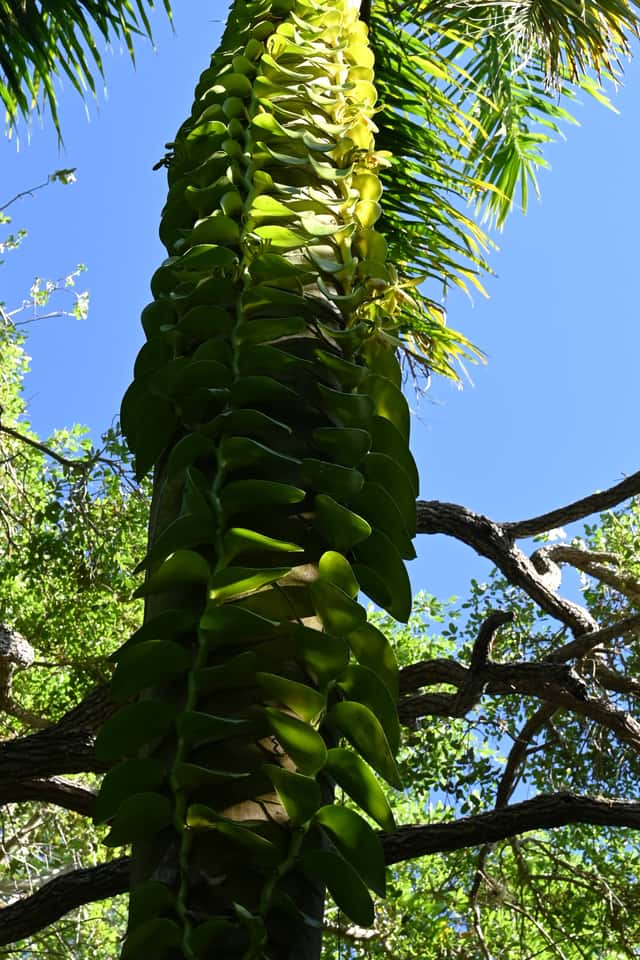
Vanilla Orchid (Vanilla planifolia) is a hard-care plant from the Orchidaceae family. Vanilla planifolia is a species of perennial climbing orchid, native to Mexico and Central America, famous for being the primary source of natural vanilla essence. It features succulent stems and bright green, leathery leaves. Its greenish-yellow flowers are ephemeral, lasting only a single day, and...
Vanilla Orchid grows up to 15.0m, spread of 150cm, watering every 6 days, 13°C – 32°C, 75–85% humidity. It is suitable for indoor environments and safe for pets.
Unlike easy-care plants, Vanilla Orchid demands constant attention to humidity and light. Not recommended for beginners. Unlike many popular species, Vanilla Orchid is safe to keep around pets. Without adequate drainage, root rot can develop within 12 days.
How to Care for Vanilla Orchid?
TLDR: Vanilla Orchid needs Bright indirect, watering every 6 days, and temperatures between 13-32°C with 75-85% humidity.
How Often Should You Water Vanilla Orchid?
Keep the substrate consistently moist but never waterlogged. Misting the aerial roots and leaves daily is essential to simulate a tropical rainforest environment.
How Much Light Does Vanilla Orchid Need?
Prefers filtered light or partial shade. Intense direct sun can burn the succulent leaves, while excessive shade prevents flowering.
What Is the Best Soil for Vanilla Orchid?
Use a substrate rich in organic matter but very porous, such as a mix of pine bark, coconut fiber, and organic compost.
What Pot Should You Use for Vanilla Orchid?
A pot with excellent drainage, preferably clay or plastic, accompanied by a moss pole or trellis for climbing.
Care Schedule
Fertilize
Every 14 days
Misting
Every 2 days
Rotate
Every 14 days
Repot
Every 730 days
What Is Vanilla Orchid and Where Does It Come From?
Vanilla planifolia is a species of perennial climbing orchid, native to Mexico and Central America, famous for being the primary source of natural vanilla essence. It features succulent stems and bright green, leathery leaves. Its greenish-yellow flowers are ephemeral, lasting only a single day, and in commercial cultivation outside its natural habitat, they require hand-pollination to produce the valuable pods.
How to Propagate Vanilla Orchid?
Stem cutting
- Use rooting hormone to speed up the process
- Keep air humidity very high during rooting
- Avoid overwatering the substrate to prevent the base from rotting
- 1 Cutting the Stem
Cut a section of the stem with at least 3 to 5 nodes (approximately 12-20 inches).
- 2 Preparation
Remove the leaves from the bottom two nodes that will be buried.
- 3 Planting
Plant the cutting in a moist mixture of sphagnum moss and pine bark, securing it to a support.
- 4 Maintenance
Keep in a warm location with high humidity and indirect light until new growth appears.
Materials needed:
How Big Does Vanilla Orchid Grow?
TLDR: Vanilla Orchid can reach up to 15.0m tall with Slow growth rate.
Max height
15.0m
Spread
1.5m
Growth rate
Slow
Foliage
Evergreen
Plant Uses
Ornamental
Great for decoration
Edible
Can be consumed
Aromatic
Pleasant fragrance
Medicinal Uses
- Antioxidant properties
- Aid in reducing stress and anxiety
- Traditional use as a digestive aid
Culinary Uses
- Production of vanilla extract
- Flavoring desserts and sweets
- Confectionery and baking
- Flavoring beverages and liqueurs
Is your plant showing symptoms?
Click on the symptom to discover possible causes:
What Diseases Commonly Affect Vanilla Orchid?
TLDR: Vanilla Orchid is susceptible to 12 known diseases. Monitor regularly for early detection.
Root Rot
Root rot is a serious fungal disease that affects the root system of plants, causing them to decay and die. It is primarily caused by overwatering, poor drainage, or soil-borne fungi such as Pythium, Phytophthora, Rhizoctonia, and Fusarium. The disease thrives in waterlogged conditions where roots are deprived of oxygen, making them susceptible to fungal infection.
Fusarium Wilt
Fusarium wilt is a serious fungal disease caused by the soil-borne fungus Fusarium oxysporum. The fungus invades roots and blocks the water-conducting vessels (xylem) of the plant, causing progressive wilting and eventual death. Host-specific forms of the pathogen exist that attack different plant species.
Anthracnose
Anthracnose is a fungal disease caused by fungi in the genus Colletotrichum that affects many plants, including vegetables, fruits, and trees. The disease thrives in cool, wet conditions, causing dark, sunken lesions on leaves, stems, flowers, and fruits.
Phytophthora Blight
Devastating fungal disease caused by Phytophthora species (primarily P. capsici and P. infestans), famously responsible for the Irish Potato Famine in the 1840s. Affects all plant parts including roots, stems, leaves, and fruits in warm, wet conditions. The pathogen is technically an oomycete (water mold) that thrives in saturated soils and can survive in soil for 5+ years.
Meaning & Symbolism
Represents sweetness, purity, elegance, and rarity due to its complex cultivation process.
Compare with similar plants
| Attribute | Difficulty | Light | Watering | Pet Safe |
|---|---|---|---|---|
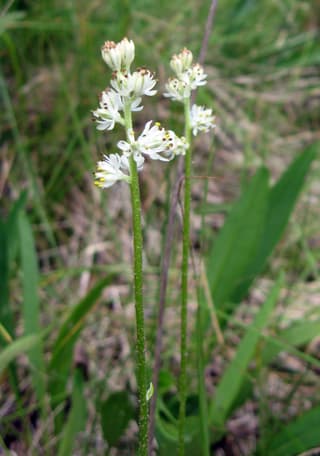
| Sticky false asphodel | Hard | Bright indirect | 1d | ✓ |
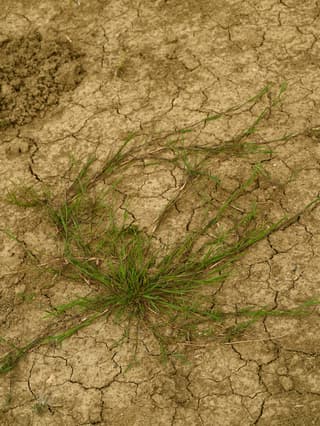
| Creeping bentgrass | Hard | Direct sun | 3d | ✓ |
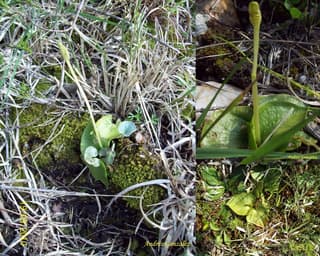
| Bulbous Adder's-tongue | Hard | Partial shade | 4d | ✓ |
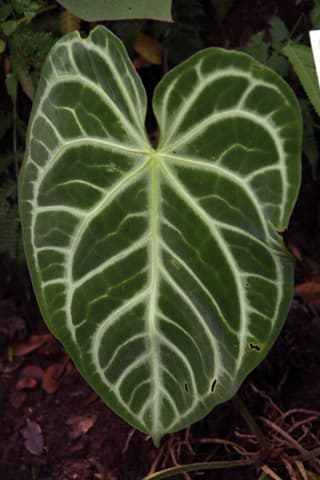
| Crystal Anthurium | Hard | Partial shade | 7d | ⚠️ |