Asteraceae
Tanacetum (Tansy)
Tanacetum
Tanacetum species are generally easy to grow, thriving in full sun with well-drained soil. Once established, they are drought-tolerant and low-maintenance. They can spread aggressively via rhizomes and self-seeding, so regular deadheading and division are recommended to keep them in check. Wear gloves when handling, as the plant sap can cause contact dermatitis in sensitive individuals.
Every 14 days
Bright indirect
-30° - 35°C
30% - 60%
Categories
What is Tansy?
Tansy (Tanacetum) is a easy-care plant from the Asteraceae family. Tanacetum is a genus of approximately 150 species of strongly aromatic herbaceous plants in the family Asteraceae, native to the temperate regions of the Northern Hemisphere. The genus includes well-known species such as common tansy (T. vulgare), feverfew (T. parthenium), pyrethrum (T. coccineum),...
Tansy grows up to 90cm, spread of 60cm, watering every 14 days, -30°C – 35°C, 30–60% humidity. It is not suitable for indoor environments and not safe for pets.
Unlike many tropical plants, Tansy tolerates watering mistakes. Best for beginners. Without precautions, ingestion can cause irritation in pets. Keep out of reach of cats and dogs.
How to Care for Tansy?
TLDR: Tansy needs Bright indirect, watering every 14 days, and temperatures between -30-35°C with 30-60% humidity.
How Often Should You Water Tansy?
Allow the soil to dry out between waterings. Established plants need watering only every 10–14 days and are highly drought tolerant. Avoid waterlogging, which can cause root rot.
How Much Light Does Tansy Need?
Provide at least 6 hours of direct sunlight daily. Tanacetum thrives in full sun and tolerates partial shade, but flowering is most abundant in bright, sunny positions.
What Is the Best Soil for Tansy?
Use well-draining soil with a pH of 4.8–7.5. These plants tolerate poor, dry soils but perform best in moderately fertile, well-drained ground. Amend heavy clay soils with sand or grit to improve drainage.
Care Schedule
Fertilize
Every 90 days
Misting
Every 3 days
Rotate
Every 7 days
Repot
Every 365 days
What Is Tansy and Where Does It Come From?
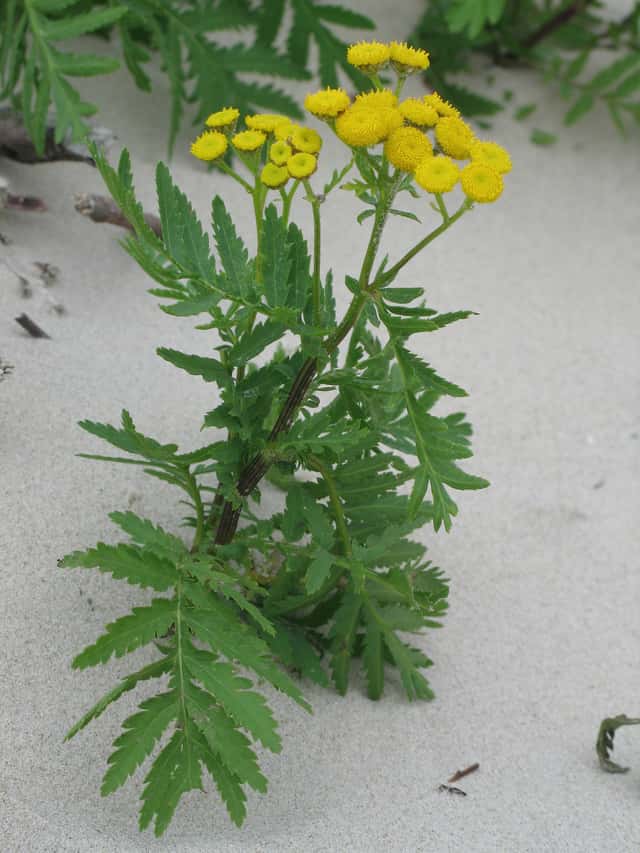
Tanacetum is a genus of approximately 150 species of strongly aromatic herbaceous plants in the family Asteraceae, native to the temperate regions of the Northern Hemisphere. The genus includes well-known species such as common tansy (T. vulgare), feverfew (T. parthenium), pyrethrum (T. coccineum), and costmary (T. balsamita). These plants are characterized by deeply lobed, fern-like leaves, a pungent camphor-like scent, and button-shaped yellow or white flowers arranged in flat-topped clusters.
How Big Does Tansy Grow?
TLDR: Tansy can reach up to 90cm tall with Fast growth rate.
Max height
90cm
Spread
60cm
Growth rate
Fast
Foliage
Deciduous
Warning: Toxic Plant
This plant can be toxic if ingested. Keep out of reach of:
Plant Uses
Ornamental
Great for decoration
Medicinal
Medicinal properties
Aromatic
Pleasant fragrance
Medicinal Uses
- Feverfew (T. parthenium) is traditionally used for migraine prevention
- Anti-inflammatory and antispasmodic properties documented across species
- Pyrethrum (T. coccineum) yields natural pyrethrin insecticide
Culinary Uses
- Costmary (T. balsamita) leaves historically used to flavor ale and as a salad herb
- Small quantities of young tansy leaves used as a bitter flavoring in historical European cooking
Is your plant showing symptoms?
Click on the symptom to discover possible causes:
What Diseases Commonly Affect Tansy?
TLDR: Tansy is susceptible to 7 known diseases. Monitor regularly for early detection.
Aphids
Aphids are small, soft-bodied, pear-shaped insects (1/16 to 1/8 inch long) that feed by sucking nutrient-rich sap from plants. They reproduce rapidly and can quickly weaken plants, causing distorted growth and transmitting plant viruses. Aphids come in various colors including green, black, red, yellow, brown, and gray. They secrete honeydew, a sticky substance that attracts ants and encourages sooty mold growth.
Spider Mites
Spider mites are tiny arachnids (less than 1/20 inch long) related to spiders and ticks that feed on plant sap. They thrive in hot, dry conditions and can cause significant damage to ornamental and vegetable plants. During severe infestations, crop losses can reach 14% or higher as these pests disrupt vital plant processes including photosynthesis, carbon dioxide absorption, and transpiration.
Root Rot
Root rot is a serious fungal disease that affects the root system of plants, causing them to decay and die. It is primarily caused by overwatering, poor drainage, or soil-borne fungi such as Pythium, Phytophthora, Rhizoctonia, and Fusarium. The disease thrives in waterlogged conditions where roots are deprived of oxygen, making them susceptible to fungal infection.
Powdery Mildew
Powdery mildew is a common fungal disease caused by various fungi species including Erysiphe, Podosphaera, Oïdium, and Leveillula. It affects over 10,000 plant species worldwide. The disease thrives in warm, dry climates with high humidity and appears as a distinctive white powdery coating on plant surfaces.
Meaning & Symbolism
Immortality and repelling negative forces — the name Tanacetum derives from the Greek athanasia (immortality), and the genus was historically used to preserve bodies and repel insects.
Fun Facts
The name Tanacetum derives from the Greek "athanasia," meaning immortality — the plant was historically laid between burial shrouds to repel insects and preserve bodies.
Pyrethrum (T. coccineum) is a natural source of pyrethrin, a widely used organic insecticide.
Feverfew (T. parthenium) has been clinically studied as a preventive treatment for migraines.
Common tansy (T. vulgare) is classified as an invasive species in several U.S. states and parts of Canada due to its aggressive spreading habit.
Compare with similar plants
| Attribute | Difficulty | Light | Watering | Pet Safe |
|---|---|---|---|---|
| Field Maple | Easy | Bright indirect | 14d | ✓ |
| Wild Lettuce | Medium | Direct sun | 7d | ⚠️ |
| Cushion Bush | Easy | Direct sun | 14d | ✓ |
| Chilean Cacti | Easy | Direct sun | 14d | ✓ |