Acanthaceae
Veined Chamaeranthemum (Chamaeranthemum venosum): Complete Care Guide
Chamaeranthemum venosum
An easy-care plant that thrives in partial shade and consistent moisture. Keep the substrate evenly moist but well-draining, provide indirect light, and mist the leaves regularly to maintain humidity. Fertilize every 30 days during the growing season.
Every 4 days
Low light
15° - 28°C
60% - 85%
Categories
What is Veined Chamaeranthemum?
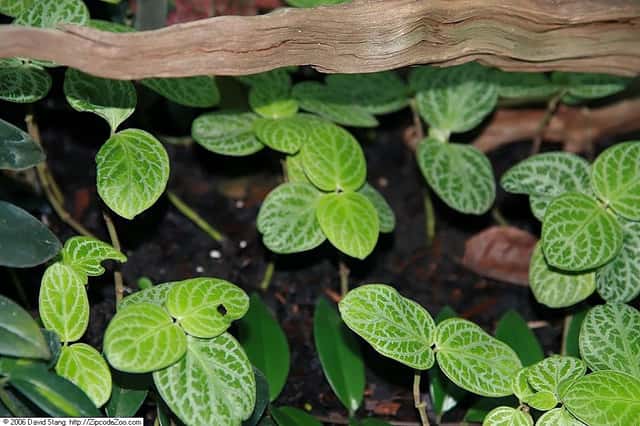
Veined Chamaeranthemum (Chamaeranthemum venosum) is a easy-care plant from the Acanthaceae family. Chamaeranthemum venosum, commonly known as the Veined Chamaeranthemum or Silver Vein Plant, is a low-growing perennial herb native to the tropical forests of Brazil. Its oval dark-green leaves are elegantly decorated with silver veins, creating a striking ornamental display. Compact and creeping, it...
Veined Chamaeranthemum grows up to 20cm, with spread of 40cm, watering every 4 days, 15°C – 28°C, 60–85% humidity. It is suitable for indoor environments and safe for pets.
Unlike many tropical plants, Veined Chamaeranthemum tolerates watering mistakes. Best for beginners. Unlike many popular species, Veined Chamaeranthemum is safe to keep around pets. Without adequate drainage, root rot can develop within 8 days.
How to Care for Veined Chamaeranthemum?
TLDR: Veined Chamaeranthemum needs Low light, watering every 4 days, and temperatures between 15-28°C with 60-85% humidity.
How Often Should You Water Veined Chamaeranthemum?
Water every 4 days, keeping the substrate slightly moist at all times. Avoid waterlogging as roots are prone to rot. Reduce watering slightly in winter.
How Much Light Does Veined Chamaeranthemum Need?
Place in bright indirect light or partial shade. Avoid direct sunlight, which can scorch the delicate leaves. East or north-facing windows are ideal.
What Is the Best Soil for Veined Chamaeranthemum?
Use a rich, lightweight, well-draining mix. A blend of potting soil, coconut fiber, perlite, and worm castings works excellently. Ideal pH range is 5.5 to 6.5.
What Pot Should You Use for Veined Chamaeranthemum?
Ceramic or terracotta pots with drainage holes. Wide, shallow pots are ideal to accommodate the plant's creeping growth habit.
Care Schedule
Fertilize
Every 30 days
Misting
Every 3 days
Rotate
Every 14 days
Repot
Every 365 days
What Is Veined Chamaeranthemum and Where Does It Come From?
Chamaeranthemum venosum, commonly known as the Veined Chamaeranthemum or Silver Vein Plant, is a low-growing perennial herb native to the tropical forests of Brazil. Its oval dark-green leaves are elegantly decorated with silver veins, creating a striking ornamental display. Compact and creeping, it rarely exceeds 20 cm in height, making it ideal as a ground cover or houseplant.
How to Propagate Veined Chamaeranthemum?
Clump Division
Divide in spring when the plant is actively growing. Maintain high humidity after transplanting by misting leaves daily.
- 1 Carefully remove the plant from its pot without damaging the roots
- 2 Divide the clump into smaller sections by hand or with a clean knife
- 3 Plant each division in moist, well-draining substrate
- 4 Keep in a humid spot with indirect light until established
Materials needed:
Stem Cutting
Cover with a clear plastic bag to maintain high humidity. Ventilate every 2 days to prevent fungal issues.
- 1 Cut a healthy stem with 2-3 leaves using clean scissors
- 2 Remove leaves from the lower portion of the cutting
- 3 Dip the base in rooting hormone powder
- 4 Plant in a moist mix of equal parts perlite and peat
- 5 Keep in a warm, humid location until rooted
Materials needed:
How Big Does Veined Chamaeranthemum Grow?
TLDR: Veined Chamaeranthemum can reach up to 20cm tall with Slow growth rate.
Max height
20cm
Spread
40cm
Growth rate
Slow
Foliage
Evergreen
Plant Uses
Ornamental
Great for decoration
Ground Cover
Soil coverage
Is your plant showing symptoms?
Click on the symptom to discover possible causes:
What Diseases Commonly Affect Veined Chamaeranthemum?
TLDR: Veined Chamaeranthemum is susceptible to 7 known diseases. Monitor regularly for early detection.
Spider Mites
Spider mites are tiny arachnids (less than 1/20 inch long) related to spiders and ticks that feed on plant sap. They thrive in hot, dry conditions and can cause significant damage to ornamental and vegetable plants. During severe infestations, crop losses can reach 14% or higher as these pests disrupt vital plant processes including photosynthesis, carbon dioxide absorption, and transpiration.
Aphids
Aphids are small, soft-bodied, pear-shaped insects (1/16 to 1/8 inch long) that feed by sucking nutrient-rich sap from plants. They reproduce rapidly and can quickly weaken plants, causing distorted growth and transmitting plant viruses. Aphids come in various colors including green, black, red, yellow, brown, and gray. They secrete honeydew, a sticky substance that attracts ants and encourages sooty mold growth.
Mealybugs
Mealybugs are small, soft-bodied insects covered with a white, waxy, cottony material. They are common pests of houseplants and outdoor plants in mild climates. These sap-sucking insects feed on plant tissue, causing damage, stunted growth, and can lead to plant death if left untreated. They produce sticky honeydew which attracts sooty mold.
Scale Insects
Scale insects are small sap-sucking pests that appear as brown, shell-like bumps on plant stems and leaves. There are over 25 species, divided into armored (hard) and unarmored (soft) scales. They feed by piercing plant tissue and extracting sap, which weakens the plant and can lead to yellowing, stunted growth, and even death if left untreated. They also excrete honeydew, which attracts ants and promotes sooty mold growth.
Meaning & Symbolism
A symbol of elegance through contrast — dark leaves adorned with silver veins represent the beauty found in duality and quiet grace.
Fun Facts
The name 'venosum' comes from Latin meaning 'full of veins', referring to its striking silver vein pattern.
Native to the Brazilian Atlantic Forest, Chamaeranthemum venosum is one of the few plants that thrives in the dim understory with minimal light.
Despite its small stature, it spreads rapidly as a ground cover, elegantly carpeting shaded garden floors.
Its small flowers, though understated, attract tiny pollinators during the summer months.
Frequently asked questions
How often should I water Chamaeranthemum venosum?
Can Chamaeranthemum venosum grow in low light?
How do I increase humidity for my Silver Vein Plant?
How do I propagate Chamaeranthemum venosum?
How often should I fertilize the Silver Vein Plant?
Compare with similar plants
| Attribute | Difficulty | Light | Watering | Pet Safe |
|---|---|---|---|---|
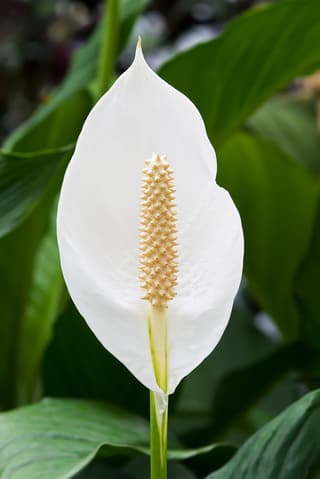
| Peace Lily | Easy | Low light | 4d | ⚠️ |
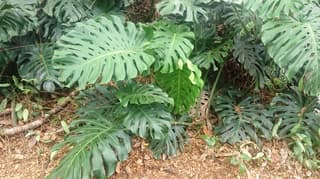
| Swiss Cheese Plant | Easy | Partial shade | 10d | ⚠️ |
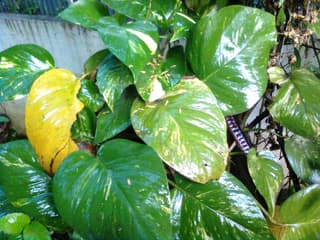
| Golden Pothos | Easy | Low light | 8d | ⚠️ |
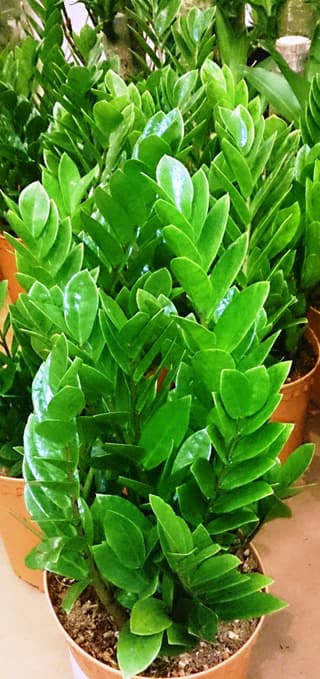
| ZZ Plant | Easy | Low light | 18d | ⚠️ |