Orchidaceae
Fly Orchid: Edible Plant
Ophrys insectifera
This orchid is extremely difficult to cultivate outside its natural habitat due to its strict dependence on specific mycorrhizal fungi and calcareous soils.
Every 10 days
Low light
-2° - 28°C
40% - 60%
Categories
What is Fly Orchid?
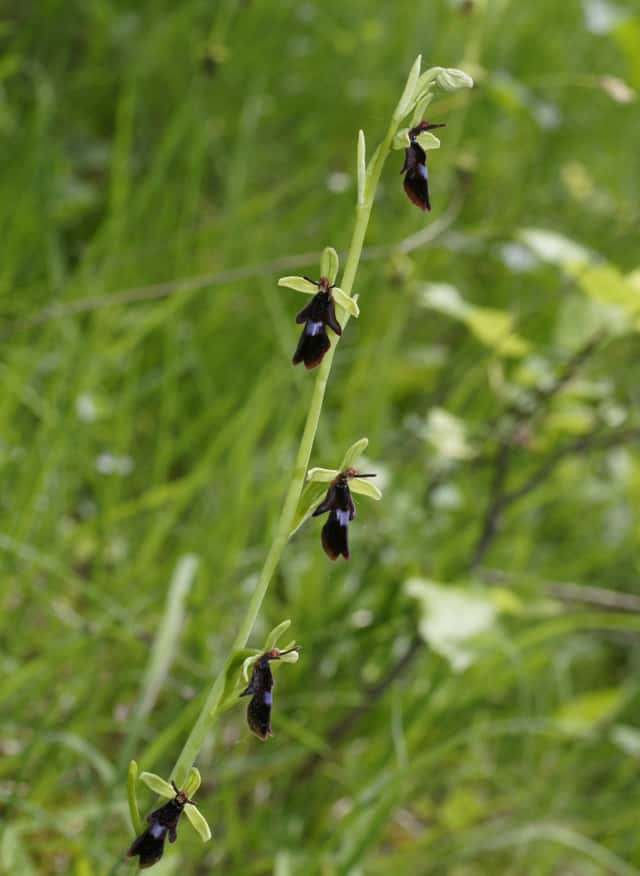
Fly Orchid (Ophrys insectifera) is a hard-care plant from the Orchidaceae family. Ophrys insectifera, commonly known as the fly orchid, is a European terrestrial species notable for its pollination strategy. Its flowers have evolved to visually and chemically mimic the females of certain wasp and fly species, tricking males into performing pseudocopulation, which ensures pollen t...
Fly Orchid grows up to 80cm, with spread of 15cm, watering every 10 days, -2°C – 28°C, 40–60% humidity. It is not suitable for indoor environments and safe for pets.
Unlike easy-care plants, Fly Orchid demands constant attention to humidity and light. Not recommended for beginners. Unlike many popular species, Fly Orchid is safe to keep around pets.
How to Care for Fly Orchid?
TLDR: Fly Orchid needs Low light, watering every 10 days, and temperatures between -2-28°C with 40-60% humidity.
How Often Should You Water Fly Orchid?
Keep the soil moist during the spring. In summer, when the plant enters dormancy, the soil should remain almost dry.
How Much Light Does Fly Orchid Need?
Prefers locations with filtered sunlight or full sun in cold temperate climate regions, but does not tolerate excessive heat.
What Is the Best Soil for Fly Orchid?
The soil must be alkaline, rich in calcium carbonate, and have excellent mineral drainage.
What Pot Should You Use for Fly Orchid?
Not suitable for cultivation in standard pots; requires direct integration into the ground in limestone rock gardens or specific mineral substrates.
Care Schedule
Repot
Every 365 days
What Is Fly Orchid and Where Does It Come From?
Ophrys insectifera, commonly known as the fly orchid, is a European terrestrial species notable for its pollination strategy. Its flowers have evolved to visually and chemically mimic the females of certain wasp and fly species, tricking males into performing pseudocopulation, which ensures pollen transfer. It is a small plant with a rosette of basal leaves and a slender inflorescence.
How to Propagate Fly Orchid?
Sowing
- In vitro germination requires complex laboratory techniques and specific culture media.
- 1 Seed Collection
The seeds are tiny and should be collected as soon as the capsules begin to dry.
- 2 Mycorrhizal Inoculation
Seeds should be sown near the mother plant or in soil containing the specific fungi required for germination.
- 3 Underground Development
The plant will spend several years developing the tuber before producing its first leaf.
Materials needed:
Tuber Division
- Avoid disturbing the roots as much as possible, as the plant is very sensitive to transplanting.
- 1 Tuber Location
After flowering and when the plant enters dormancy, carefully locate the underground tubers.
- 2 Separation
Separate the newly formed tuber from the old tuber, ensuring the roots are not damaged.
- 3 Immediate Replanting
Replant immediately at the same depth and in the same type of original soil.
Materials needed:
How Big Does Fly Orchid Grow?
TLDR: Fly Orchid can reach up to 80cm tall with Slow growth rate.
Max height
80cm
Spread
15cm
Growth rate
Slow
Foliage
Deciduous
Plant Uses
Ornamental
Great for decoration
Edible
Can be consumed
Medicinal
Medicinal properties
Is your plant showing symptoms?
Click on the symptom to discover possible causes:
What Diseases Commonly Affect Fly Orchid?
TLDR: Fly Orchid is susceptible to 8 known diseases. Monitor regularly for early detection.
Root Rot
Root rot is a serious fungal disease that affects the root system of plants, causing them to decay and die. It is primarily caused by overwatering, poor drainage, or soil-borne fungi such as Pythium, Phytophthora, Rhizoctonia, and Fusarium. The disease thrives in waterlogged conditions where roots are deprived of oxygen, making them susceptible to fungal infection.
Damping Off
Damping off is a soil-borne fungal disease that affects seeds and young seedlings, causing rotting of stem and root tissues at and below the soil line. It is caused by several fungi including Pythium, Rhizoctonia, Fusarium, and Phytophthora. The disease thrives in cold, wet conditions with poor air circulation.
Overwatering
Overwatering occurs when plants receive too much water, depriving roots of oxygen and causing root rot. This environmental stress is one of the most common causes of houseplant death, as waterlogged soil prevents roots from breathing and functioning properly.
Botrytis
Meaning & Symbolism
Represents nature's ingenuity and extreme evolutionary adaptation.
Compare with similar plants
| Attribute | Difficulty | Light | Watering | Pet Safe |
|---|---|---|---|---|
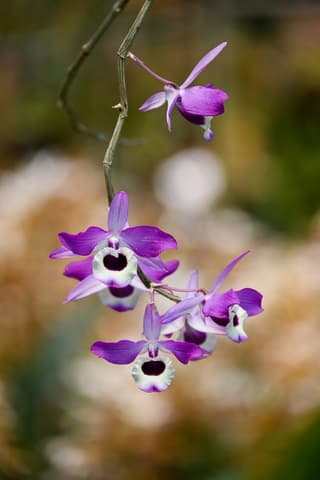
| Dendrobium Orchid (genus) | Medium | Bright indirect | 7d | ✓ |
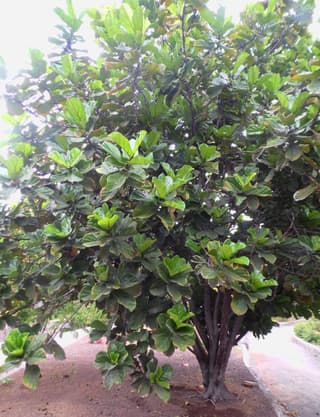
| Fiddle Leaf Fig | Hard | Bright indirect | 10d | ⚠️ |
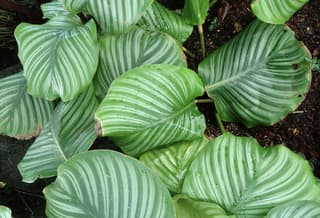
| Round-leaf Calathea | Hard | Partial shade | 7d | ✓ |
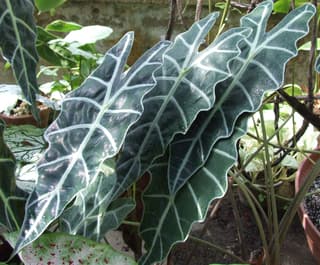
| African Mask Plant | Hard | Partial shade | 5d | ⚠️ |