Asteraceae
White Panicle Aster – Native Perennial Wildflower Care Guide
Symphyotrichum lanceolatum
Easy-care native perennial. Water weekly when establishing; drought-tolerant once established. Plant in full sun, moist to average well-draining soil. Cut back in early spring. Divide every 2-3 years to control spread.
Every 7 days
Bright indirect
0° - 35°C
40% - 70%
Categories
What is White Panicle Aster?
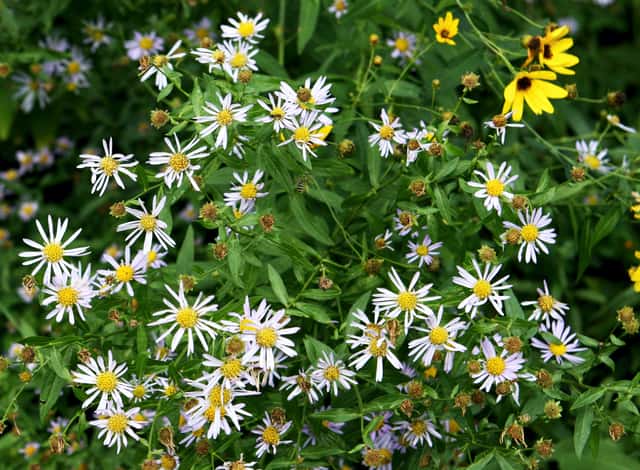
White Panicle Aster (Symphyotrichum lanceolatum) is a easy-care plant from the Asteraceae family. Symphyotrichum lanceolatum, commonly known as White Panicle Aster, is a native North American perennial wildflower in the Asteraceae family. Formerly classified as Aster lanceolatus, it produces masses of small daisy-like white flowers with yellow disc centers from mid-summer through fall, reaching...
White Panicle Aster grows up to 1.5m, with spread of 75cm, watering every 7 days, 0°C – 35°C, 40–70% humidity. It is not suitable for indoor environments and safe for pets.
Unlike many tropical plants, White Panicle Aster tolerates watering mistakes. Best for beginners. Unlike many popular species, White Panicle Aster is safe to keep around pets.
How to Care for White Panicle Aster?
TLDR: White Panicle Aster needs Bright indirect, watering every 7 days, and temperatures between 0-35°C with 40-70% humidity.
How Often Should You Water White Panicle Aster?
Water deeply once a week during establishment. Once established, the plant is moderately drought-tolerant and only needs supplemental watering during prolonged dry spells.
How Much Light Does White Panicle Aster Need?
Prefers full sun (6+ hours of direct sunlight daily). Tolerates partial shade but produces fewer blooms. Full sun improves air circulation and reduces powdery mildew risk.
What Is the Best Soil for White Panicle Aster?
Plant in loamy, moist but well-drained soil with a pH of 6.0–7.0. Tolerates clay and sandy soils. Thrives in wet prairie and streamside conditions.
Care Schedule
Fertilize
Every 90 days
Repot
Every 730 days
What Is White Panicle Aster and Where Does It Come From?
Symphyotrichum lanceolatum, commonly known as White Panicle Aster, is a native North American perennial wildflower in the Asteraceae family. Formerly classified as Aster lanceolatus, it produces masses of small daisy-like white flowers with yellow disc centers from mid-summer through fall, reaching up to 1.5 meters tall. A vital late-season pollinator plant, it thrives in moist, sunny conditions and spreads via rhizomes.
How Big Does White Panicle Aster Grow?
TLDR: White Panicle Aster can reach up to 1.5m tall with Medium growth rate.
Max height
1.5m
Spread
75cm
Growth rate
Medium
Foliage
Deciduous
Plant Uses
Ornamental
Great for decoration
Is your plant showing symptoms?
Click on the symptom to discover possible causes:
What Diseases Commonly Affect White Panicle Aster?
TLDR: White Panicle Aster is susceptible to 4 known diseases. Monitor regularly for early detection.
Powdery Mildew
Powdery mildew is a common fungal disease caused by various fungi species including Erysiphe, Podosphaera, Oïdium, and Leveillula. It affects over 10,000 plant species worldwide. The disease thrives in warm, dry climates with high humidity and appears as a distinctive white powdery coating on plant surfaces.
Root Rot
Root rot is a serious fungal disease that affects the root system of plants, causing them to decay and die. It is primarily caused by overwatering, poor drainage, or soil-borne fungi such as Pythium, Phytophthora, Rhizoctonia, and Fusarium. The disease thrives in waterlogged conditions where roots are deprived of oxygen, making them susceptible to fungal infection.
Rust
Rust is a common fungal disease caused by fungi in the order Pucciniales that affects a wide variety of plants. The disease gets its name from the characteristic orange, yellow, or reddish-brown pustules that appear on leaves, resembling metal rust. This obligate fungal parasite requires living plants to survive and can cause significant economic losses in agricultural crops.
Aphids
Aphids are small, soft-bodied, pear-shaped insects (1/16 to 1/8 inch long) that feed by sucking nutrient-rich sap from plants. They reproduce rapidly and can quickly weaken plants, causing distorted growth and transmitting plant viruses. Aphids come in various colors including green, black, red, yellow, brown, and gray. They secrete honeydew, a sticky substance that attracts ants and encourages sooty mold growth.
Meaning & Symbolism
Symbolizes love, endurance, and the beauty of the natural world's final flourish before winter.
Fun Facts
Indigenous peoples used White Panicle Aster medicinally to treat wounds, nosebleeds, and fevers.
It was formerly known as Aster lanceolatus before modern taxonomic reclassification moved it to the genus Symphyotrichum.
The plant blooms from late summer through October, providing one of the last nectar sources for monarch butterflies and other late-season pollinators.
It spreads aggressively via underground rhizomes and can naturalize large areas of moist habitat.
White Panicle Aster is used commercially as a cut flower due to its airy, elegant sprays of blooms.
Frequently asked questions
Is White Panicle Aster invasive?
When does White Panicle Aster bloom?
Is White Panicle Aster toxic to pets?
How tall does White Panicle Aster grow?
Compare with similar plants
| Attribute | Difficulty | Light | Watering | Pet Safe |
|---|---|---|---|---|
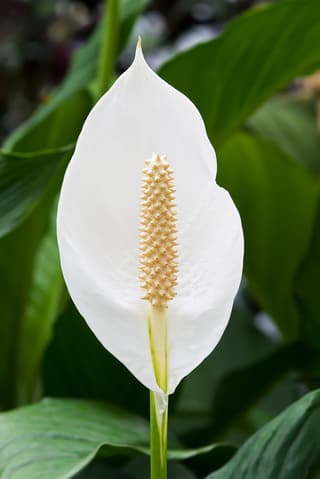
| Peace Lily | Easy | Low light | 4d | ⚠️ |
| Swiss Cheese Plant | Easy | Partial shade | 10d | ⚠️ |
| Golden Pothos | Easy | Low light | 8d | ⚠️ |
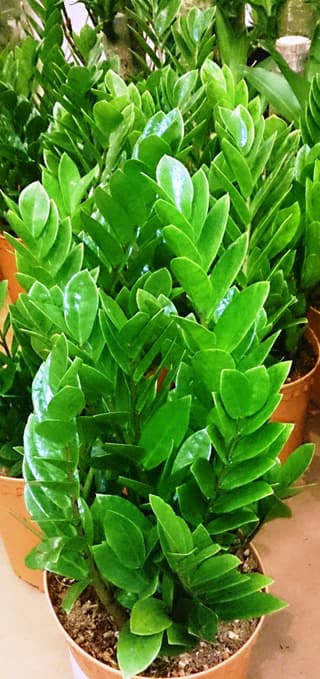
| ZZ Plant | Easy | Low light | 18d | ⚠️ |