Pinaceae
White Spruce: Aromatic Plant
Picea laxa
White spruce is a low-maintenance tree suitable for gardens. It requires full sun and well-drained soil with a pH of 4.7–7.5. Mature trees are resistant to drought, frost, and wind. Water young specimens regularly until they are well-established. Fertilize once a year in spring with a fertilizer for conifers. Pruning is rarely necessary—only to remove dry or damaged branches.
Every 14 days
Bright indirect
-50° - 35°C
30% - 70%
Categories
What is White Spruce?
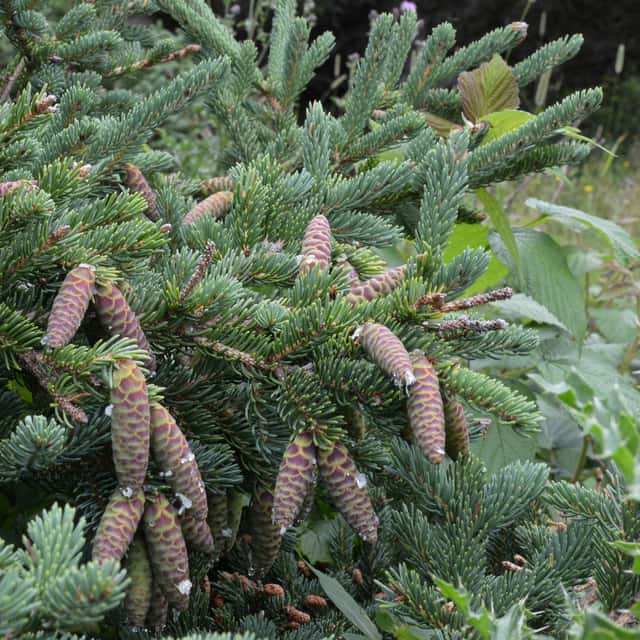
White Spruce (Picea laxa) is a easy-care plant from the Pinaceae family. White spruce (Picea glauca), also known as Canadian spruce, is a majestic coniferous tree native to the northern regions of North America—from Alaska to Newfoundland and south to Montana. It is characterized by a dense, conical crown, short four-sided needles of a blue-green color with a characteris...
White Spruce grows up to 24.0m, spread of 600cm, watering every 14 days, -50°C – 35°C, 30–70% humidity. It is not suitable for indoor environments and safe for pets.
Unlike many tropical plants, White Spruce tolerates watering mistakes. Best for beginners. Unlike many popular species, White Spruce is safe to keep around pets.
How to Care for White Spruce?
TLDR: White Spruce needs Bright indirect, watering every 14 days, and temperatures between -50-35°C with 30-70% humidity.
How Often Should You Water White Spruce?
Water young trees deeply and regularly when weekly rainfall drops below 25 mm. Mature specimens are drought-tolerant and only require watering during prolonged dry spells. Mulching around the trunk helps retain soil moisture.
How Much Light Does White Spruce Need?
White spruce thrives in full sun (at least 6 hours of direct sunlight daily). In partial shade, it grows more slowly and the crown becomes sparse. In full sun, it maintains dense, compact growth and intense needle color.
What Is the Best Soil for White Spruce?
It prefers loamy-sandy, well-drained soils with a pH of 4.7–7.5. It is more adaptable than most other spruces—tolerating alkaline, dry, or temporarily waterlogged sites. Avoid heavy clay soils without drainage.
What Pot Should You Use for White Spruce?
For dwarf cultivars (e.g., 'Conica'), use a large frost-resistant ceramic or wooden pot with good drainage. Provide a drainage layer at the bottom. Repot only when the root ball is tight—spruce does not tolerate transplanting well.
Care Schedule
Fertilize
Every 365 days
What Is White Spruce and Where Does It Come From?
White spruce (Picea glauca), also known as Canadian spruce, is a majestic coniferous tree native to the northern regions of North America—from Alaska to Newfoundland and south to Montana. It is characterized by a dense, conical crown, short four-sided needles of a blue-green color with a characteristic pungent odor, and small, thin cones. It is among the hardiest trees in the world, withstanding freezing temperatures down to -50 °C and surviving harsh northern winters. It grows to a height of up to 25 meters, naturally growing at a slower pace. It is a foundational species of northern forests and provides shelter for many birds and mammals. Dwarf cultivars such as 'Conica' are popular as ornamental plants for both gardens and containers.
How to Propagate White Spruce?
Seed sowing
- Use fresh seeds collected in the fall.
- Seedlings grow very slowly in their first year.
- 1 Seed collection
Collect seeds from mature cones that have fallen naturally. Store in a cool, dry place.
- 2 Stratification
Expose seeds to cold in a refrigerator (4 °C) for 1–3 months before sowing to mimic the winter period.
- 3 Sowing
Sow seeds in a light substrate in spring and gently press them into the surface.
- 4 Germination
Keep the substrate moist in a bright spot at a temperature of 15–20 °C. Protect seedlings from direct midday sun in the first year.
Materials needed:
Cuttings
- Using bottom heat increases the success rate.
- Mist regularly to prevent cuttings from drying out.
- 1 Taking cuttings
In late summer, take semi-hardwood cuttings from this year's shoots with a heel.
- 2 Stimulation
Dip the end of the cutting into rooting hormone.
- 3 Planting
Insert into a mixture of peat and sand and maintain high humidity in a propagation chamber.
Materials needed:
How Big Does White Spruce Grow?
TLDR: White Spruce can reach up to 24.0m tall with Slow growth rate.
Max height
24.0m
Spread
6.0m
Growth rate
Slow
Foliage
Evergreen
Plant Uses
Ornamental
Great for decoration
Medicinal
Medicinal properties
Aromatic
Pleasant fragrance
Medicinal Uses
- Needle tea rich in vitamin C – a traditional remedy for scurvy
- Inhalation of needles and resin for respiratory diseases (cough, cold, flu)
- Resin (pitch) as an antiseptic for wounds, burns, and skin irritation
- Inner bark decoction traditionally used for tuberculosis and flu
- Chewing resin as natural lozenges for sore throats
Culinary Uses
- Young spring shoots – raw or for making syrup and jams
- Spruce beer – flavoring the beverage with needles and shoots
- Needles as a spice and vitamin C tea
- Seeds from cones are edible and rich in oil
Is your plant showing symptoms?
Click on the symptom to discover possible causes:
What Diseases Commonly Affect White Spruce?
TLDR: White Spruce is susceptible to 8 known diseases. Monitor regularly for early detection.
Spider Mites
Spider mites are tiny arachnids (less than 1/20 inch long) related to spiders and ticks that feed on plant sap. They thrive in hot, dry conditions and can cause significant damage to ornamental and vegetable plants. During severe infestations, crop losses can reach 14% or higher as these pests disrupt vital plant processes including photosynthesis, carbon dioxide absorption, and transpiration.
Root Rot
Root rot is a serious fungal disease that affects the root system of plants, causing them to decay and die. It is primarily caused by overwatering, poor drainage, or soil-borne fungi such as Pythium, Phytophthora, Rhizoctonia, and Fusarium. The disease thrives in waterlogged conditions where roots are deprived of oxygen, making them susceptible to fungal infection.
Canker
Canker is a disease caused by various fungi and bacteria that create necrotic, sunken areas on bark of branches, stems, and trunks. Pathogens enter through wounds and natural openings, especially when plants are stressed. Canker can gradually weaken or kill branches by disrupting water and nutrient flow.
Aphids
Aphids are small, soft-bodied, pear-shaped insects (1/16 to 1/8 inch long) that feed by sucking nutrient-rich sap from plants. They reproduce rapidly and can quickly weaken plants, causing distorted growth and transmitting plant viruses. Aphids come in various colors including green, black, red, yellow, brown, and gray. They secrete honeydew, a sticky substance that attracts ants and encourages sooty mold growth.
Meaning & Symbolism
In the cultures of North American Indigenous peoples (including the Cree and Ojibwe), white spruce is a sacred tree symbolizing protection, peace, and longevity. Roots were woven into ropes, bark was used to cover dwellings, and branches formed beds. The tree is a symbol of endurance and adaptability in the harsh environment of the boreal forest.
Compare with similar plants
| Attribute | Difficulty | Light | Watering | Pet Safe |
|---|---|---|---|---|
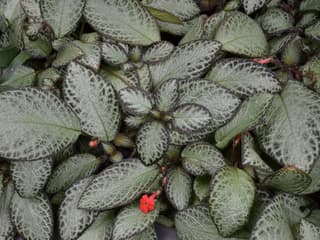
| Flame Violet | Easy | Partial shade | 7d | ✓ |
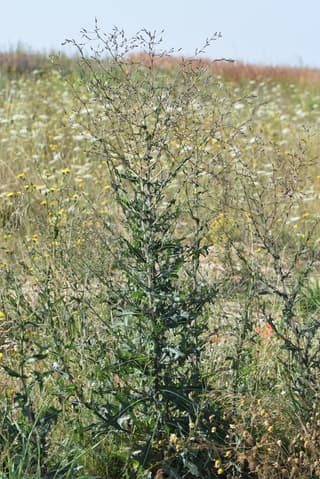
| Prickly Lettuce | Easy | Direct sun | 7d | ✓ |
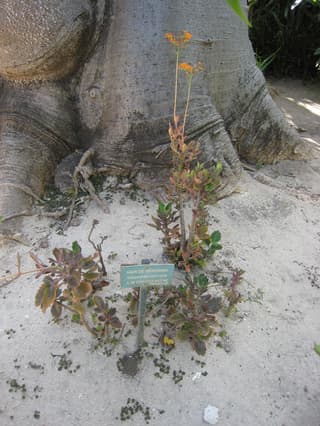
| Christmas Tree Plant | Easy | Bright indirect | 10d | ⚠️ |
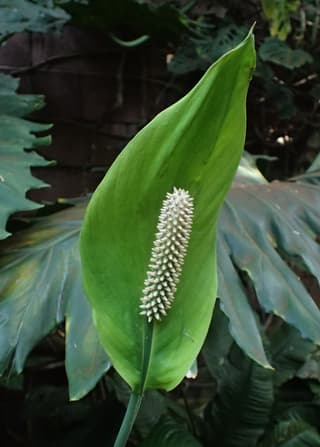
| Peace Lily | Easy | Low light | 7d | ⚠️ |