Oxalidaceae
Wood Sorrel (Oxalis): Complete Care Guide
Oxalis
An easy-care plant that thrives in bright indirect light, moderate watering with well-draining soil, and mild temperatures. Has a natural dormancy period when leaves die back — do not discard the plant; simply reduce watering and wait for regrowth.
Every 7 days
Bright indirect
10° - 27°C
40% - 60%
Categories
What is Wood Sorrel?
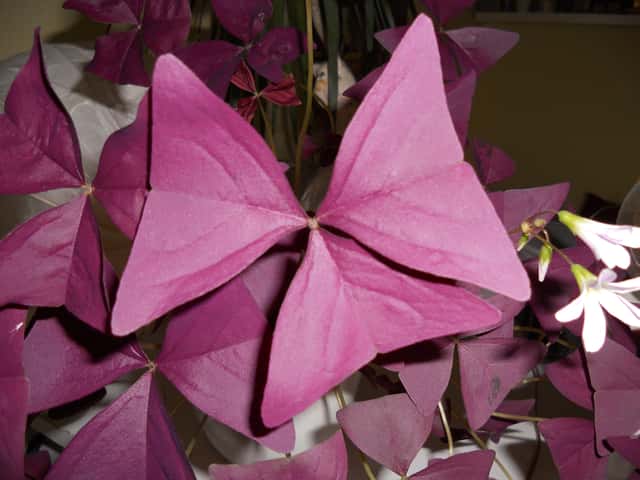
Wood Sorrel (Oxalis) is a easy-care plant from the Oxalidaceae family. Oxalis is a large genus of about 570 species of herbaceous plants in the family Oxalidaceae, recognizable by their clover-like trifoliate leaves and delicate flowers in shades of pink, yellow, and white. Popular as ornamental houseplants and garden ground covers, with O. triangularis (purple shamroc...
Wood Sorrel grows up to 30cm, spread of 45cm, watering every 7 days, 10°C – 27°C, 40–60% humidity. It is suitable for indoor environments and not safe for pets.
Unlike many tropical plants, Wood Sorrel tolerates watering mistakes. Best for beginners. Without precautions, ingestion can cause irritation in pets. Keep out of reach of cats and dogs. Without adequate drainage, root rot can develop within 14 days.
How to Care for Wood Sorrel?
TLDR: Wood Sorrel needs Bright indirect, watering every 7 days, and temperatures between 10-27°C with 40-60% humidity.
How Often Should You Water Wood Sorrel?
Water every 7 days or when the top inch of soil is dry. Avoid overwatering — Oxalis is highly susceptible to root rot. Reduce watering significantly during dormancy.
How Much Light Does Wood Sorrel Need?
Prefers bright indirect light with up to 3 hours of gentle morning sun. Avoid intense midday direct sunlight, which can scorch the delicate leaves.
What Is the Best Soil for Wood Sorrel?
Use a well-draining, lightweight potting mix rich in organic matter. A blend of potting soil with perlite or coarse sand works excellently. Ideal pH between 6.0 and 7.5.
What Pot Should You Use for Wood Sorrel?
Terra cotta or ceramic pot with a drainage hole. Avoid oversized pots — Oxalis prefers to be slightly root-bound.
Care Schedule
Fertilize
Every 30 days
Rotate
Every 30 days
Repot
Every 365 days
What Is Wood Sorrel and Where Does It Come From?
Oxalis is a large genus of about 570 species of herbaceous plants in the family Oxalidaceae, recognizable by their clover-like trifoliate leaves and delicate flowers in shades of pink, yellow, and white. Popular as ornamental houseplants and garden ground covers, with O. triangularis (purple shamrock) and O. articulata being especially beloved. Contains oxalic acid — mildly toxic to pets and humans if ingested in large quantities.
How to Propagate Wood Sorrel?
Bulb Division
Divide in early spring before regrowth begins. Use clean tools to prevent disease transmission.
- 1 Remove the plant from its pot during dormancy
- 2 Carefully separate the small side bulbs (bulbils)
- 3 Plant bulbils 2-3 cm deep in moist, well-draining soil
- 4 Place in a bright spot and wait for new growth to emerge
Materials needed:
Seeds
Do not bury seeds too deep — light is required for germination. Keep soil evenly moist but not soggy.
- 1 Sow seeds on the surface of lightly moist potting mix
- 2 Cover very lightly with a thin layer of soil
- 3 Keep in a warm, bright location (18-22C)
- 4 Transplant seedlings when they have 2-3 true leaves
Materials needed:
How Big Does Wood Sorrel Grow?
TLDR: Wood Sorrel can reach up to 30cm tall with Medium growth rate.
Max height
30cm
Spread
45cm
Growth rate
Medium
Foliage
Deciduous
Warning: Toxic Plant
This plant can be toxic if ingested. Keep out of reach of:
Plant Uses
Ornamental
Great for decoration
Ground Cover
Soil coverage
Culinary Uses
- Young Oxalis leaves are edible with a pleasant lemony-sour flavor, used in salads and as a garnish in traditional cuisines worldwide
Is your plant showing symptoms?
Click on the symptom to discover possible causes:
What Diseases Commonly Affect Wood Sorrel?
TLDR: Wood Sorrel is susceptible to 10 known diseases. Monitor regularly for early detection.
Root Rot
Root rot is a serious fungal disease that affects the root system of plants, causing them to decay and die. It is primarily caused by overwatering, poor drainage, or soil-borne fungi such as Pythium, Phytophthora, Rhizoctonia, and Fusarium. The disease thrives in waterlogged conditions where roots are deprived of oxygen, making them susceptible to fungal infection.
Overwatering
Overwatering occurs when plants receive too much water, depriving roots of oxygen and causing root rot. This environmental stress is one of the most common causes of houseplant death, as waterlogged soil prevents roots from breathing and functioning properly.
Powdery Mildew
Powdery mildew is a common fungal disease caused by various fungi species including Erysiphe, Podosphaera, Oïdium, and Leveillula. It affects over 10,000 plant species worldwide. The disease thrives in warm, dry climates with high humidity and appears as a distinctive white powdery coating on plant surfaces.
Rust
Rust is a common fungal disease caused by fungi in the order Pucciniales that affects a wide variety of plants. The disease gets its name from the characteristic orange, yellow, or reddish-brown pustules that appear on leaves, resembling metal rust. This obligate fungal parasite requires living plants to survive and can cause significant economic losses in agricultural crops.
Meaning & Symbolism
Symbol of good luck, joy, and renewal. The trifoliate leaf is associated with the shamrock symbol and prosperity across many cultures.
Fun Facts
The Oxalis genus contains around 570 species found on every continent except Antarctica
Oxalic acid in the leaves gives the characteristic sour taste — hence the common name Sour Grass
O. triangularis folds its leaves at night and on cloudy days, a movement response called nyctinasty
Some Oxalis species are considered invasive weeds in certain countries due to their rapid spreading via bulbils
Frequently asked questions
Why are my Oxalis leaves dying back?
Is Oxalis toxic to cats and dogs?
How often should I water my Oxalis?
Does Oxalis need a lot of sunlight?
How do I propagate Oxalis?
Compare with similar plants
| Attribute | Difficulty | Light | Watering | Pet Safe |
|---|---|---|---|---|
| Field Maple | Easy | Bright indirect | 14d | ✓ |
| Silver Birch | Easy | Direct sun | 14d | ✓ |
| Cushion Bush | Easy | Direct sun | 14d | ✓ |
| Peruvian peppertree | Easy | Direct sun | 14d | ⚠️ |