Asparagaceae
Yucca: Complete Plant Care Guide
Yucca
Yucca is an extremely low-maintenance plant. Place it in a bright, sunny spot and water sparingly — it thrives on neglect and is highly drought-tolerant. Use well-draining sandy soil, avoid overwatering at all costs, and fertilize lightly in the growing season. Rotate occasionally for even growth indoors.
Every 14 days
Bright indirect
-15° - 45°C
20% - 50%
Categories
What is Yucca?
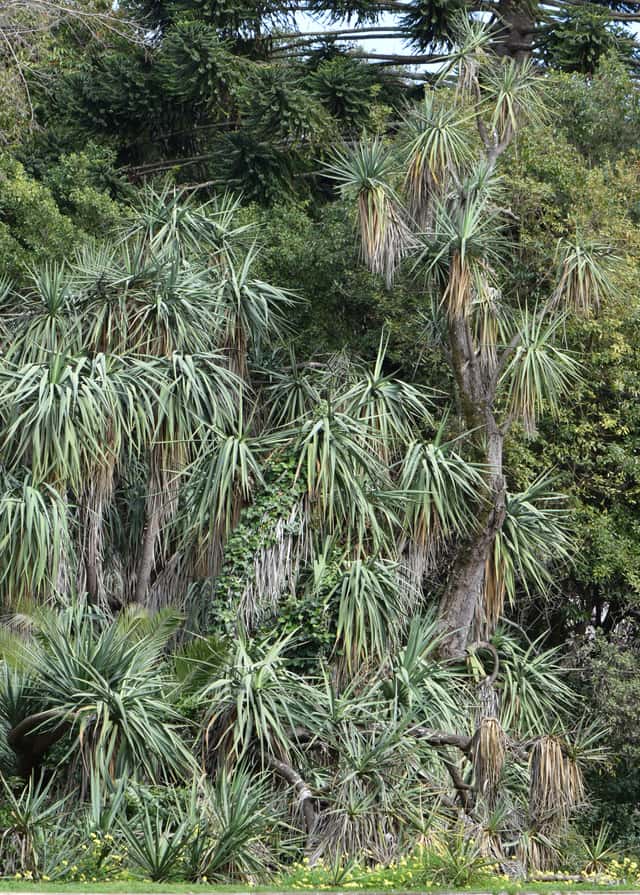
Yucca (Yucca) is a easy-care plant from the Asparagaceae family. Yucca is a genus of about 40-50 species of perennial shrubs and trees in the family Asparagaceae, native to hot, arid regions of the Americas including Mexico, the southwestern United States, and the Caribbean. Known for their dramatic sword-like leaves and towering white flower spikes, yuccas are a...
Yucca grows up to 9.0m, spread of 200cm, watering every 14 days, -15°C – 45°C, 20–50% humidity. It is suitable for indoor environments and not safe for pets.
Unlike many tropical plants, Yucca tolerates watering mistakes. Best for beginners. Without precautions, ingestion can cause irritation in pets. Keep out of reach of cats and dogs. Without adequate drainage, root rot can develop within 28 days.
How to Care for Yucca?
TLDR: Yucca needs Bright indirect, watering every 14 days, and temperatures between -15-45°C with 20-50% humidity.
How Often Should You Water Yucca?
Water only when the top 5 cm of soil is completely dry, typically every 10–14 days in summer. In winter, reduce to once a month or less. Never let water sit in the crown or pot saucer — root rot is the main killer of yuccas.
How Much Light Does Yucca Need?
Yucca needs bright, direct or indirect light. Indoors, place near a south or west-facing window. It tolerates full outdoor sun well. Avoid deep shade — insufficient light causes etiolation and weakens the plant significantly.
What Is the Best Soil for Yucca?
Use a sandy, gritty, well-draining mix — a 1:1 blend of regular potting soil and coarse sand or perlite works well. Never use heavy, moisture-retaining soils. Slightly acidic to neutral pH (6.0–7.5) is ideal.
What Pot Should You Use for Yucca?
Terra cotta or unglazed clay pots are ideal as they allow the soil to dry out quickly, which is essential for yucca health. Choose a pot with multiple drainage holes. Avoid glazed ceramic or plastic pots that retain moisture.
Care Schedule
Fertilize
Every 60 days
Rotate
Every 30 days
Repot
Every 730 days
What Is Yucca and Where Does It Come From?
Yucca is a genus of about 40-50 species of perennial shrubs and trees in the family Asparagaceae, native to hot, arid regions of the Americas including Mexico, the southwestern United States, and the Caribbean. Known for their dramatic sword-like leaves and towering white flower spikes, yuccas are among the most iconic desert and garden plants in the world. Popular indoor species include Yucca elephantipes (Spineless Yucca) and Y. gigantea; outdoors, Y. filamentosa and Y. aloifolia thrive in garden landscapes.
How to Propagate Yucca?
Offsets (pups)
Use clean tools to prevent bacterial infection. Do not water heavily until rooted.
- 1 Wait until offset pups appear at the base of the mother plant
- 2 Remove the pup with a clean sharp knife, keeping some root attached
- 3 Allow the cut end to dry and callous for 1-2 days
- 4 Plant in sandy, well-draining soil and water lightly
- 5 Place in bright light and wait for new growth before increasing watering
Materials needed:
Stem cuttings (canes)
Ensure the cutting is oriented the correct way up — canes will not root if planted upside down.
- 1 Cut a healthy cane section 15–20 cm long
- 2 Allow cut ends to dry for 1-2 days
- 3 Place cutting upright in barely moist sandy soil
- 4 Keep in bright indirect light and warm temperatures
- 5 Water minimally until roots develop
Materials needed:
How Big Does Yucca Grow?
TLDR: Yucca can reach up to 9.0m tall with Slow growth rate.
Max height
9.0m
Spread
2.0m
Growth rate
Slow
Foliage
Evergreen
Warning: Toxic Plant
This plant can be toxic if ingested. Keep out of reach of:
Plant Uses
Ornamental
Great for decoration
Is your plant showing symptoms?
Click on the symptom to discover possible causes:
What Diseases Commonly Affect Yucca?
TLDR: Yucca is susceptible to 9 known diseases. Monitor regularly for early detection.
Root Rot
Root rot is a serious fungal disease that affects the root system of plants, causing them to decay and die. It is primarily caused by overwatering, poor drainage, or soil-borne fungi such as Pythium, Phytophthora, Rhizoctonia, and Fusarium. The disease thrives in waterlogged conditions where roots are deprived of oxygen, making them susceptible to fungal infection.
Leaf Spot
Leaf spot is a common fungal disease caused by various pathogens including Alternaria, Ascochyta, Colletotrichum, Septoria, and Venturia. It primarily affects leaves, causing discolored spots that can lead to premature leaf drop if left untreated.
Scale Insects
Scale insects are small sap-sucking pests that appear as brown, shell-like bumps on plant stems and leaves. There are over 25 species, divided into armored (hard) and unarmored (soft) scales. They feed by piercing plant tissue and extracting sap, which weakens the plant and can lead to yellowing, stunted growth, and even death if left untreated. They also excrete honeydew, which attracts ants and promotes sooty mold growth.
Mealybugs
Mealybugs are small, soft-bodied insects covered with a white, waxy, cottony material. They are common pests of houseplants and outdoor plants in mild climates. These sap-sucking insects feed on plant tissue, causing damage, stunted growth, and can lead to plant death if left untreated. They produce sticky honeydew which attracts sooty mold.
Meaning & Symbolism
Yucca symbolizes resilience, protection, and endurance — the ability to thrive in harsh, unforgiving environments. For many indigenous cultures of the Americas, yucca was a sacred plant providing food, fiber, soap, and medicine.
Fun Facts
Yucca and the yucca moth have a unique mutualistic relationship — the moth is the only natural pollinator of yucca flowers
Indigenous peoples of the Americas used every part of the yucca plant: roots for soap, leaves for fiber, flowers and fruits for food
Some yucca species like Y. brevifolia (Joshua Tree) can live for hundreds of years in the Mojave Desert
Yucca elephantipes is called the Spineless Yucca because its leaf tips are softer and less sharp than wild species
Frequently asked questions
How often should I water my yucca?
Is yucca toxic to cats and dogs?
Why are my yucca leaves turning yellow?
Can yucca grow indoors?
How fast does yucca grow?
Compare with similar plants
| Attribute | Difficulty | Light | Watering | Pet Safe |
|---|---|---|---|---|
| Field Maple | Easy | Bright indirect | 14d | ✓ |
| Silver Birch | Easy | Direct sun | 14d | ✓ |
| Cushion Bush | Easy | Direct sun | 14d | ✓ |
| Peruvian peppertree | Easy | Direct sun | 14d | ⚠️ |