Asparagaceae
Adam's Needle (Yucca filamentosa): Complete Care Guide
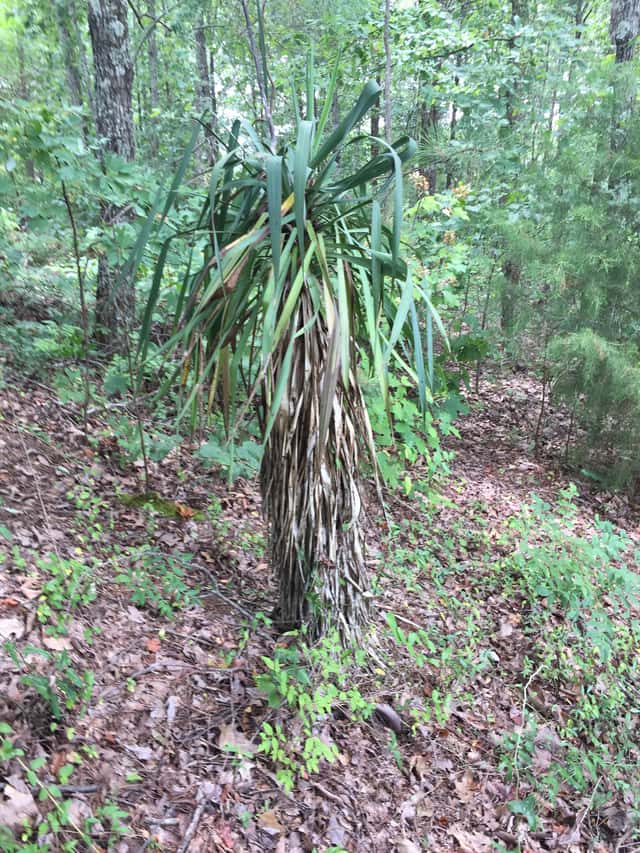
Yucca filamentosa
Adam's Needle is one of the easiest outdoor plants to grow. Water sparingly — allow the soil to dry completely between waterings. Plant in full sun with excellent drainage. No misting needed. Fertilize once in spring. Prune dead flower stalks annually. Very frost-hardy and low-maintenance.
Every 21 days
Direct sun
-28° - 40°C
30% - 60%
Categories
What is Adam's Needle?
Adam's Needle (Yucca filamentosa) is a easy-care plant from the Asparagaceae family. Yucca filamentosa, commonly known as Adam's Needle, is a striking evergreen perennial native to the southeastern United States. It forms bold architectural rosettes of stiff, sword-shaped leaves edged with distinctive curly white filaments. In late spring to early summer, it sends up dramatic tall p...
Adam's Needle grows up to 2.4m, with spread of 150cm, watering every 21 days, -28°C – 40°C, 30–60% humidity. It is not suitable for indoor environments and not safe for pets.
Unlike many tropical plants, Adam's Needle tolerates watering mistakes. Best for beginners. Without precautions, ingestion can cause irritation in pets. Keep out of reach of cats and dogs.
How to Care for Adam's Needle?
TLDR: Adam's Needle needs Direct sun, watering every 21 days, and temperatures between -28-40°C with 30-60% humidity.
How Often Should You Water Adam's Needle?
Water deeply but infrequently — every 2–3 weeks in summer, once a month or less in winter. Always let the soil dry out completely between waterings. Overwatering is the number one killer; Yucca filamentosa is highly drought-tolerant.
How Much Light Does Adam's Needle Need?
Requires full sun for at least 6 hours a day. In partial shade it will grow but flower less and develop a less compact form. Place it in the sunniest spot in your garden, away from shade from buildings or trees.
What Is the Best Soil for Adam's Needle?
Plant in any well-draining soil — sandy, loamy, or even rocky. Avoid clay-heavy or waterlogged soils. Drainage is essential to prevent root rot. Does not need rich or fertile soil; lean soils are perfectly fine.
What Pot Should You Use for Adam's Needle?
No pot needed — best grown directly in the ground. If in a container, use a large, heavy terracotta or stone pot with drainage holes to prevent tipping from the tall flower stalks. Use cactus/succulent mix.
Care Schedule
Fertilize
Every 90 days
Repot
Every 730 days
What Is Adam's Needle and Where Does It Come From?
Yucca filamentosa, commonly known as Adam's Needle, is a striking evergreen perennial native to the southeastern United States. It forms bold architectural rosettes of stiff, sword-shaped leaves edged with distinctive curly white filaments. In late spring to early summer, it sends up dramatic tall panicles of creamy white, bell-shaped flowers that attract pollinators like yucca moths and hummingbirds. Exceptionally drought-tolerant and cold-hardy down to zone 4, it thrives in full sun and well-drained soils, making it ideal for xeriscaping, coastal gardens, and rock gardens.
How to Propagate Adam's Needle?
Root Division
Divide in spring before new growth begins. Wear thick gloves to protect from sharp leaf tips.
- 1 Dig around the base of the plant to expose offsets (pups)
- 2 Cut the offset away from the parent plant with a sharp, clean knife
- 3 Allow the cut end to dry for 24 hours
- 4 Plant in well-draining soil and water lightly once
Materials needed:
Seed Propagation
Seeds germinate best with warm temperatures. Plants grown from seed take several years to flower.
- 1 Collect seeds from dried seed pods after flowering
- 2 Sow seeds in well-draining mix at 1 cm depth
- 3 Keep moist but not wet at 20–25°C
- 4 Transplant seedlings when 10 cm tall
Materials needed:
How Big Does Adam's Needle Grow?
TLDR: Adam's Needle can reach up to 2.4m tall with Medium growth rate.
Max height
2.4m
Spread
1.5m
Growth rate
Medium
Foliage
Evergreen
Warning: Toxic Plant
This plant can be toxic if ingested. Keep out of reach of:
Plant Uses
Ornamental
Great for decoration
Medicinal
Medicinal properties
Medicinal Uses
- Root extract used as a natural soap and shampoo by Native Americans
- Historically used for wound healing and anti-inflammatory purposes
Culinary Uses
- Flower petals are edible and taste mildly bitter, like artichoke
- Young flower stalks were eaten roasted by Native American tribes
Is your plant showing symptoms?
Click on the symptom to discover possible causes:
What Diseases Commonly Affect Adam's Needle?
TLDR: Adam's Needle is susceptible to 9 known diseases. Monitor regularly for early detection.
Root Rot
Root rot is a serious fungal disease that affects the root system of plants, causing them to decay and die. It is primarily caused by overwatering, poor drainage, or soil-borne fungi such as Pythium, Phytophthora, Rhizoctonia, and Fusarium. The disease thrives in waterlogged conditions where roots are deprived of oxygen, making them susceptible to fungal infection.
Overwatering
Overwatering occurs when plants receive too much water, depriving roots of oxygen and causing root rot. This environmental stress is one of the most common causes of houseplant death, as waterlogged soil prevents roots from breathing and functioning properly.
Leaf Spot
Leaf spot is a common fungal disease caused by various pathogens including Alternaria, Ascochyta, Colletotrichum, Septoria, and Venturia. It primarily affects leaves, causing discolored spots that can lead to premature leaf drop if left untreated.
Bacterial Leaf Spot
Bacterial leaf spot is a plant disease caused by bacteria in the Xanthomonas and Pseudomonas genera that affects various ornamental and edible plants. The bacteria infect leaves through wounds or natural openings, causing characteristic lesions that can lead to premature leaf drop and plant weakening.
Meaning & Symbolism
Symbolizes resilience, endurance, and protection. Native American tribes revered it as a plant of strength and spiritual power, using every part — from fibers for rope to roots for soap and flowers for food.
Fun Facts
Adam's Needle is pollinated almost exclusively by the yucca moth, a unique co-evolutionary relationship where the moth both pollinates the flowers and lays eggs in the seed pods
Native American tribes used the fibrous leaves to make rope, baskets, and sandals, and the roots as a natural soap
It is one of the most cold-hardy yuccas, surviving temperatures as low as -28°C (USDA zone 4)
The curly white filaments along the leaf margins are a key identifying feature that give it the name 'filamentosa'
Frequently asked questions
How often should I water Yucca filamentosa?
Is Adam's Needle toxic to pets?
Can Yucca filamentosa grow indoors?
When does Adam's Needle flower?
How do I propagate Yucca filamentosa?
Compare with similar plants
| Attribute | Difficulty | Light | Watering | Pet Safe |
|---|---|---|---|---|
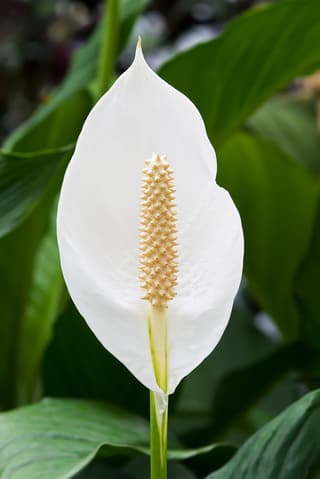
| Peace Lily | Easy | Low light | 4d | ⚠️ |
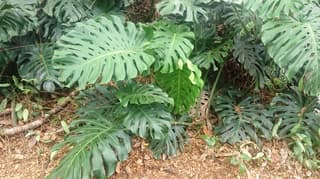
| Swiss Cheese Plant | Easy | Partial shade | 10d | ⚠️ |
| Golden Pothos | Easy | Low light | 8d | ⚠️ |
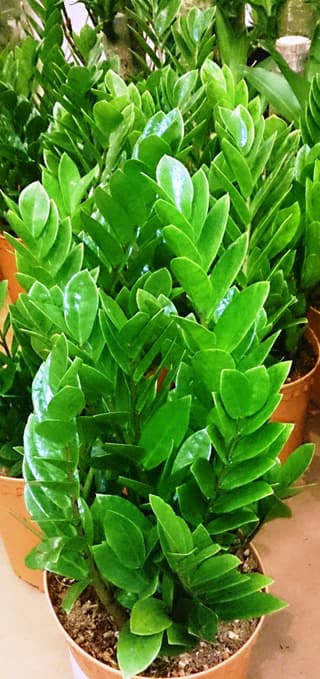
| ZZ Plant | Easy | Low light | 18d | ⚠️ |