Araceae
ZZ Plant (Zamioculcas): Complete Care Guide
Zamioculcas
An extremely low-maintenance plant. Water sparingly every 2-3 weeks, allowing the soil to dry completely between waterings. Tolerates low light but grows best in moderate indirect light. Ideal for offices, bedrooms, and spaces with limited natural light. Fertilize lightly once a month during spring and summer.
Every 18 days
Low light
10° - 26°C
40% - 70%
Categories
What is ZZ Plant?
ZZ Plant (Zamioculcas) is a easy-care plant from the Araceae family. The ZZ Plant (Zamioculcas zamiifolia) is a tropical perennial native to Eastern Africa, prized for its exceptional drought tolerance and glossy, dark-green foliage. A member of the Araceae family, it stores water in thick rhizomes and fleshy roots, making it one of the most forgiving houseplants ava...
ZZ Plant grows up to 1.5m, spread of 90cm, watering every 18 days, 10°C – 26°C, 40–70% humidity. It is suitable for indoor environments and not safe for pets.
Unlike many tropical plants, ZZ Plant tolerates watering mistakes. Best for beginners. Without precautions, ingestion can cause irritation in pets. Keep out of reach of cats and dogs. Without adequate drainage, root rot can develop within 36 days.
How to Care for ZZ Plant?
TLDR: ZZ Plant needs Low light, watering every 18 days, and temperatures between 10-26°C with 40-70% humidity.
How Often Should You Water ZZ Plant?
Water every 2-3 weeks, allowing the soil to dry out completely between waterings. In winter, water even less frequently — once a month may suffice. The rhizomes store water, so overwatering is the most common cause of root rot and plant death.
How Much Light Does ZZ Plant Need?
Thrives in low to bright indirect light. Tolerates dim conditions better than most plants. Avoid direct sunlight, which can scorch the leaves. A north-, east-, or west-facing window works well.
What Is the Best Soil for ZZ Plant?
Use a well-draining potting mix combined with perlite or coarse sand. Avoid heavy, moisture-retaining soils. A cactus/succulent mix blended with standard potting soil works excellently. Ideal pH: 6.0-7.0.
What Pot Should You Use for ZZ Plant?
Terracotta or ceramic pots with drainage holes are ideal. These materials allow the soil to dry out faster, preventing root rot. Avoid glazed pots without drainage.
Care Schedule
Fertilize
Every 90 days
Repot
Every 730 days
What Is ZZ Plant and Where Does It Come From?
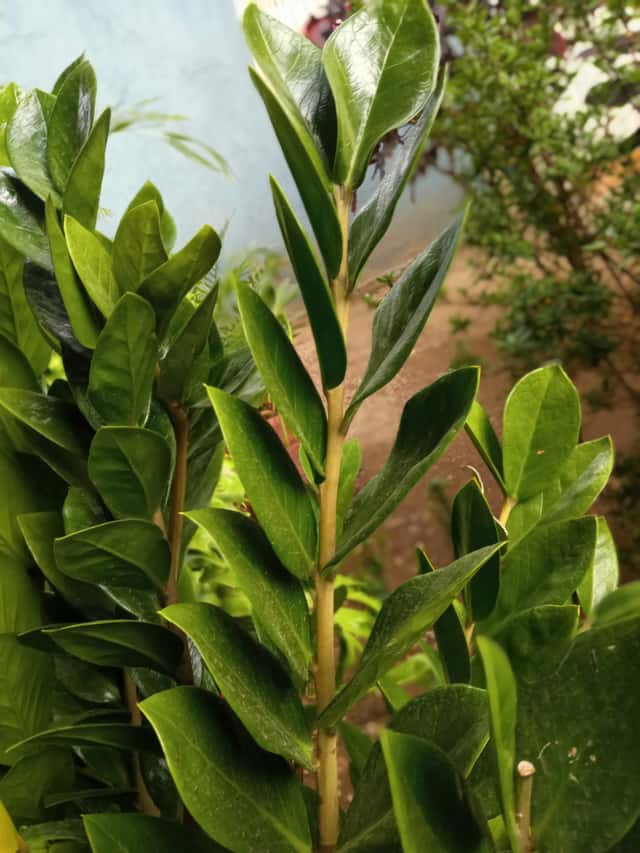
The ZZ Plant (Zamioculcas zamiifolia) is a tropical perennial native to Eastern Africa, prized for its exceptional drought tolerance and glossy, dark-green foliage. A member of the Araceae family, it stores water in thick rhizomes and fleshy roots, making it one of the most forgiving houseplants available. Its arching stems lined with oval, waxy leaflets add an elegant, sculptural quality to any interior space.
How to Propagate ZZ Plant?
Rhizome Division
Divide in spring for best results. Let cuts callous before watering to prevent rot.
- 1 Carefully remove the plant from its pot
- 2 Use a clean, sharp knife to divide the rhizomes, ensuring each section has at least one stem
- 3 Allow cut sections to dry for a few hours before planting
- 4 Plant in well-draining mix and water lightly
Materials needed:
Leaf Stem Cuttings
This method is slow — patience is key. Expect 2-3 months before visible root or rhizome growth.
- 1 Cut a healthy leaf with its petiole intact
- 2 Place in moist potting mix or water
- 3 Keep in a warm spot with indirect light
- 4 Wait for rhizomes to develop before transplanting
Materials needed:
How Big Does ZZ Plant Grow?
TLDR: ZZ Plant can reach up to 1.5m tall with Slow growth rate.
Max height
1.5m
Spread
90cm
Growth rate
Slow
Foliage
Evergreen
Warning: Toxic Plant
This plant can be toxic if ingested. Keep out of reach of:
Plant Uses
Ornamental
Great for decoration
Air Purifying
Improves air quality
Is your plant showing symptoms?
Click on the symptom to discover possible causes:
What Diseases Commonly Affect ZZ Plant?
TLDR: ZZ Plant is susceptible to 8 known diseases. Monitor regularly for early detection.
Root Rot
Root rot is a serious fungal disease that affects the root system of plants, causing them to decay and die. It is primarily caused by overwatering, poor drainage, or soil-borne fungi such as Pythium, Phytophthora, Rhizoctonia, and Fusarium. The disease thrives in waterlogged conditions where roots are deprived of oxygen, making them susceptible to fungal infection.
Overwatering
Overwatering occurs when plants receive too much water, depriving roots of oxygen and causing root rot. This environmental stress is one of the most common causes of houseplant death, as waterlogged soil prevents roots from breathing and functioning properly.
Mealybugs
Mealybugs are small, soft-bodied insects covered with a white, waxy, cottony material. They are common pests of houseplants and outdoor plants in mild climates. These sap-sucking insects feed on plant tissue, causing damage, stunted growth, and can lead to plant death if left untreated. They produce sticky honeydew which attracts sooty mold.
Spider Mites
Spider mites are tiny arachnids (less than 1/20 inch long) related to spiders and ticks that feed on plant sap. They thrive in hot, dry conditions and can cause significant damage to ornamental and vegetable plants. During severe infestations, crop losses can reach 14% or higher as these pests disrupt vital plant processes including photosynthesis, carbon dioxide absorption, and transpiration.
Meaning & Symbolism
Symbol of perseverance, resilience, and prosperity. In feng shui, it is believed to attract good luck and positive energy, making it a popular choice for entranceways and workspaces.
Fun Facts
Native to the drought-prone grasslands and rocky slopes of Eastern Africa, where it survives months without rain thanks to water-storing rhizomes.
It purifies indoor air by filtering volatile organic compounds including xylene, toluene, and benzene.
Despite being marketed as virtually indestructible, it was only introduced to the global horticultural trade in 1996.
The ZZ plant was once falsely rumored to cause cancer — this myth has been thoroughly debunked by botanists and toxicologists.
Frequently asked questions
How often should I water my ZZ Plant?
Is the ZZ Plant toxic to cats and dogs?
Can a ZZ Plant survive in low light?
Why are my ZZ Plant leaves turning yellow?
How fast does a ZZ Plant grow?
Compare with similar plants
| Attribute | Difficulty | Light | Watering | Pet Safe |
|---|---|---|---|---|
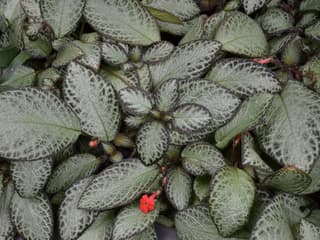
| Flame Violet | Easy | Partial shade | 7d | ✓ |
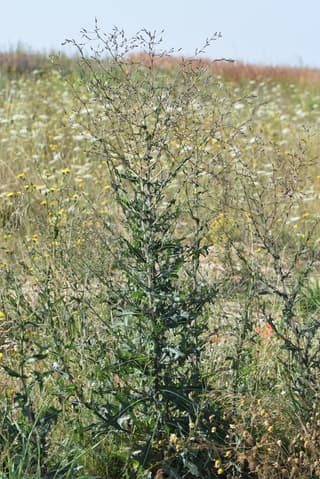
| Prickly Lettuce | Easy | Direct sun | 7d | ✓ |
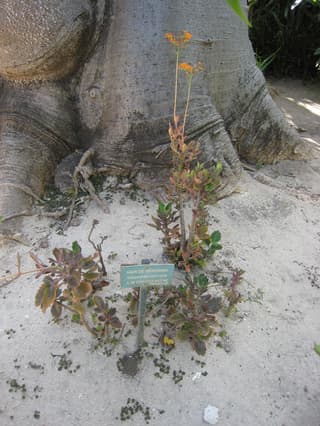
| Christmas Tree Plant | Easy | Bright indirect | 10d | ⚠️ |
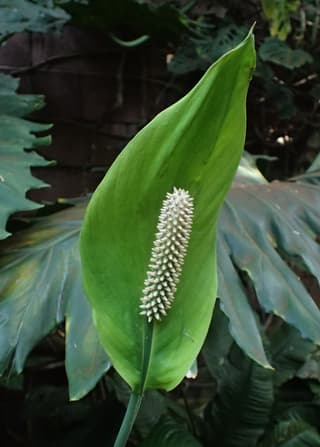
| Peace Lily | Easy | Low light | 7d | ⚠️ |