Araceae
Zebra Plant: Fast Growing
Alocasia zebrina
High maintenance tropical requiring consistent humidity (60-70%+), bright indirect light, and careful watering. Keep soil moist but never waterlogged. May go dormant in winter or when temperatures drop below 18°C. Thrives in warm, humid environments like bathrooms or near humidifiers.
Every 5 days
Partial shade
18° - 25°C
60% - 80%
Categories
What is Zebra Plant?
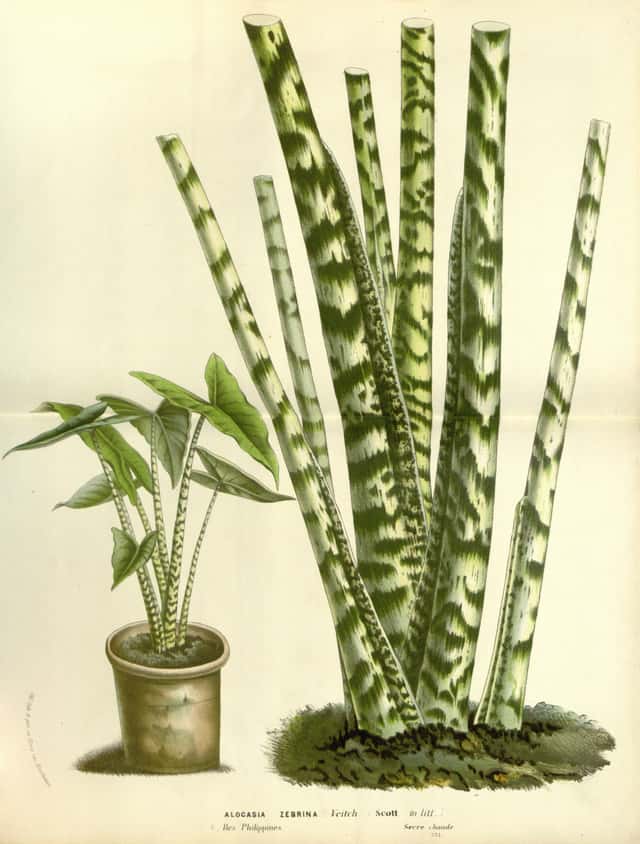
Zebra Plant (Alocasia zebrina) is a hard-care plant from the Araceae family. Alocasia zebrina is a striking tropical plant native to the Philippines, famous for its distinctive zebra-striped petioles (stems) that give it its common name. The plant features large, arrow-shaped green leaves held aloft on tall, dramatically patterned stems with dark green and cream-colored stri...
Zebra Plant grows up to 90cm, spread of 90cm, watering every 5 days, 18°C – 25°C, 60–80% humidity. It is suitable for indoor environments and not safe for pets.
Unlike easy-care plants, Zebra Plant demands constant attention to humidity and light. Not recommended for beginners. Without precautions, ingestion can cause irritation in pets. Keep out of reach of cats and dogs. Without adequate drainage, root rot can develop within 10 days.
How to Care for Zebra Plant?
TLDR: Zebra Plant needs Partial shade, watering every 5 days, and temperatures between 18-25°C with 60-80% humidity.
How Often Should You Water Zebra Plant?
Water when the top 2-3 inches of soil feel dry. Keep soil consistently moist but never soggy to avoid root rot. Reduce watering significantly in winter. Use room temperature water, preferably rainwater or filtered water as this plant is sensitive to lime and minerals.
How Much Light Does Zebra Plant Need?
Provide bright, indirect light - ideally near a south-facing window with filtered light. Morning or evening sun is tolerated, but avoid harsh midday direct sunlight which will scorch the leaves. Not tolerant of low light conditions.
What Is the Best Soil for Zebra Plant?
Use a well-draining, slightly acidic potting mix. A blend of 50% potting soil, 30% perlite, and 20% orchid bark works well. Can also use a mixture of coco coir, perlite, and organic matter. The soil should retain some moisture while allowing excess water to drain freely.
What Pot Should You Use for Zebra Plant?
Use a pot with drainage holes to prevent waterlogging. Terracotta or ceramic pots work well as they allow the soil to breathe. Choose a pot only 1-2 inches larger than the root ball as Alocasia prefers to be slightly root-bound. Ensure the pot is stable as the plant can become top-heavy.
Care Schedule
Fertilize
Every 21 days
Misting
Every 3 days
Rotate
Every 14 days
Repot
Every 540 days
What Is Zebra Plant and Where Does It Come From?
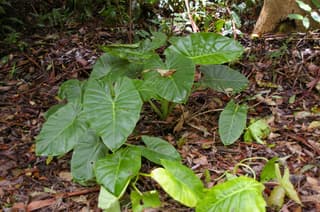
Alocasia zebrina is a striking tropical plant native to the Philippines, famous for its distinctive zebra-striped petioles (stems) that give it its common name. The plant features large, arrow-shaped green leaves held aloft on tall, dramatically patterned stems with dark green and cream-colored stripes. Unlike many Alocasias grown for their leaf patterns, A. zebrina is prized primarily for its unique stem markings. In its native habitat, it grows as an understory plant in tropical rainforests.
How to Propagate Zebra Plant?
Division
Division is most successful in spring when the plant is actively growing. Avoid dividing during dormancy.
- 1 Wait until the plant has developed multiple offsets or clumps at the base
- 2 Remove the plant from its pot during spring, the ideal time for division
- 3 Gently separate the rhizomes, ensuring each division has healthy roots attached
- 4 Allow cut surfaces to callus for a few hours before replanting
- 5 Plant divisions in fresh, well-draining soil in appropriately sized pots
- 6 Keep humid and warm (above 18°C) until established, which takes 4-6 weeks
Materials needed:
How Big Does Zebra Plant Grow?
TLDR: Zebra Plant can reach up to 90cm tall with Fast growth rate.
Max height
90cm
Spread
90cm
Growth rate
Fast
Foliage
Evergreen
Warning: Toxic Plant
This plant can be toxic if ingested. Keep out of reach of:
Plant Uses
Ornamental
Great for decoration
Air Purifying
Improves air quality
Is your plant showing symptoms?
Click on the symptom to discover possible causes:
What Diseases Commonly Affect Zebra Plant?
TLDR: Zebra Plant is susceptible to 13 known diseases. Monitor regularly for early detection.
Powdery Mildew
Powdery mildew is a common fungal disease caused by various fungi species including Erysiphe, Podosphaera, Oïdium, and Leveillula. It affects over 10,000 plant species worldwide. The disease thrives in warm, dry climates with high humidity and appears as a distinctive white powdery coating on plant surfaces.
Root Rot
Root rot is a serious fungal disease that affects the root system of plants, causing them to decay and die. It is primarily caused by overwatering, poor drainage, or soil-borne fungi such as Pythium, Phytophthora, Rhizoctonia, and Fusarium. The disease thrives in waterlogged conditions where roots are deprived of oxygen, making them susceptible to fungal infection.
Leaf Spot
Leaf spot is a common fungal disease caused by various pathogens including Alternaria, Ascochyta, Colletotrichum, Septoria, and Venturia. It primarily affects leaves, causing discolored spots that can lead to premature leaf drop if left untreated.
Bacterial Leaf Spot
Bacterial leaf spot is a plant disease caused by bacteria in the Xanthomonas and Pseudomonas genera that affects various ornamental and edible plants. The bacteria infect leaves through wounds or natural openings, causing characteristic lesions that can lead to premature leaf drop and plant weakening.
Meaning & Symbolism
Symbolizes prosperity, good fortune, and protection. In Asian cultures, it is associated with bringing positive energy and warding off negativity. The upward-reaching leaves represent seizing opportunities and growth toward success.
Compare with similar plants
| Attribute | Difficulty | Light | Watering | Pet Safe |
|---|---|---|---|---|
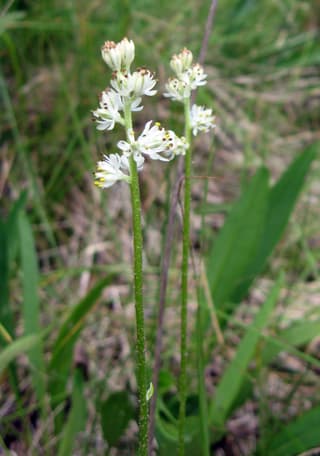
| Sticky false asphodel | Hard | Bright indirect | 1d | ✓ |
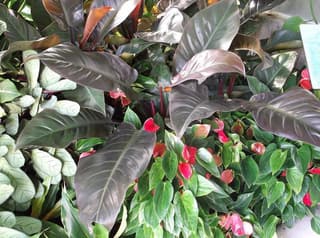
| Congo Philodendron | Medium | Partial shade | 10d | ⚠️ |
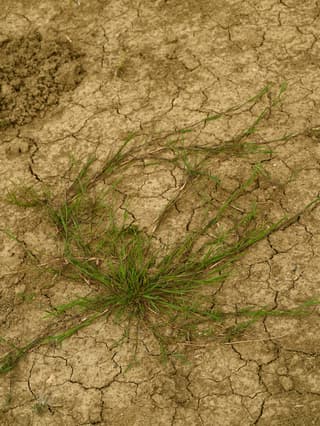
| Creeping bentgrass | Hard | Direct sun | 3d | ✓ |
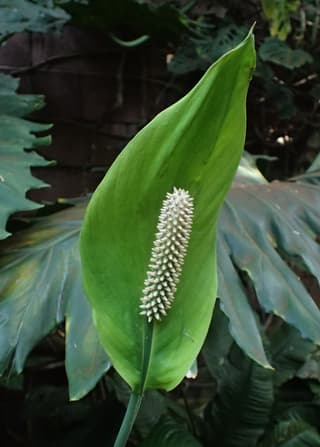
| Peace Lily | Easy | Low light | 7d | ⚠️ |