Ulmaceae
Japanese Zelkova (Zelkova serrata) — Complete Care Guide
Zelkova serrata
Japanese Zelkova is low-maintenance once established. Plant in full sun with well-draining loamy soil. Water regularly for the first two years; mature trees tolerate drought well. Fertilize every two weeks during the growing season. Prune in late winter to maintain shape.
Every 7 days
Direct sun
-20° - 35°C
40% - 70%
Categories
What is Japanese Zelkova?
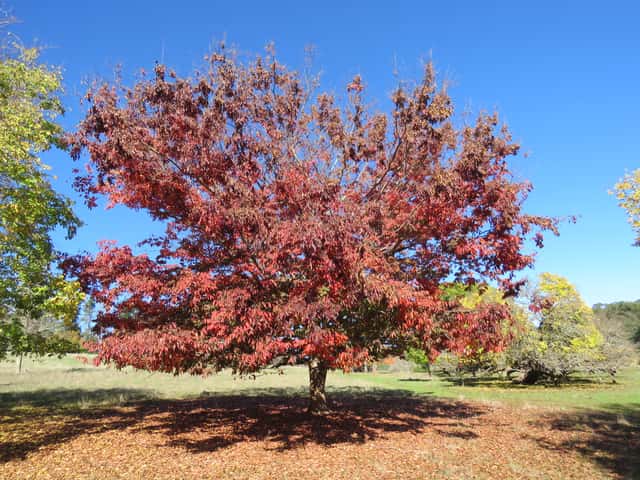
Japanese Zelkova (Zelkova serrata) is a easy-care plant from the Ulmaceae family. Zelkova serrata, commonly known as Japanese Zelkova or Keaki, is a graceful deciduous tree native to Japan, China, and Korea. A member of the elm family (Ulmaceae), it is celebrated for its vase-shaped canopy, serrated leaves that turn brilliant shades of orange, red, and burgundy in autumn, and its...
Japanese Zelkova grows up to 24.4m, spread of 2440cm, watering every 7 days, -20°C – 35°C, 40–70% humidity. It is not suitable for indoor environments and safe for pets.
Unlike many tropical plants, Japanese Zelkova tolerates watering mistakes. Best for beginners. Unlike many popular species, Japanese Zelkova is safe to keep around pets.
How to Care for Japanese Zelkova?
TLDR: Japanese Zelkova needs Direct sun, watering every 7 days, and temperatures between -20-35°C with 40-70% humidity.
How Often Should You Water Japanese Zelkova?
Water deeply once a week during the first two growing seasons. Once established, water only during prolonged droughts. Avoid overwatering — the roots are sensitive to waterlogged soil.
How Much Light Does Japanese Zelkova Need?
Plant in a location that receives at least 6 hours of direct sunlight daily. Full sun encourages the best canopy density and most vibrant autumn foliage colors.
What Is the Best Soil for Japanese Zelkova?
Japanese Zelkova thrives in loamy, well-draining soil with a pH between 5.5 and 8.0. It tolerates clay, sandy, and compacted soils, making it an excellent choice for urban environments.
What Pot Should You Use for Japanese Zelkova?
For bonsai: unglazed ceramic or mica training pots. For garden planting: no pot needed — plant directly in the ground in a spacious location.
Care Schedule
Fertilize
Every 14 days
What Is Japanese Zelkova and Where Does It Come From?
Zelkova serrata, commonly known as Japanese Zelkova or Keaki, is a graceful deciduous tree native to Japan, China, and Korea. A member of the elm family (Ulmaceae), it is celebrated for its vase-shaped canopy, serrated leaves that turn brilliant shades of orange, red, and burgundy in autumn, and its distinctive honeycomb-patterned bark. Widely planted as an urban shade tree, it is also one of the most revered subjects in the art of bonsai.
How to Propagate Japanese Zelkova?
Seed Propagation
Cold stratification significantly improves germination rates. Protect young seedlings from frost.
- 1 Collect ripe seeds in autumn
- 2 Cold-stratify seeds for 30-60 days in the refrigerator
- 3 Sow in well-draining seed compost in spring
- 4 Keep moist and in a bright, sheltered location
- 5 Transplant seedlings when they reach 10-15 cm
Materials needed:
Grafting
Grafting is the preferred commercial method for preserving cultivar characteristics.
- 1 Select a healthy rootstock and scion of matching diameter
- 2 Make clean cuts and join the cambium layers precisely
- 3 Wrap graft union tightly with grafting tape
- 4 Keep in a humid, sheltered environment until union is established
Materials needed:
How Big Does Japanese Zelkova Grow?
TLDR: Japanese Zelkova can reach up to 24.4m tall with Medium growth rate.
Max height
24.4m
Spread
24.4m
Growth rate
Medium
Foliage
Deciduous
Plant Uses
Ornamental
Great for decoration
Is your plant showing symptoms?
Click on the symptom to discover possible causes:
What Diseases Commonly Affect Japanese Zelkova?
TLDR: Japanese Zelkova is susceptible to 6 known diseases. Monitor regularly for early detection.
Anthracnose
Anthracnose is a fungal disease caused by fungi in the genus Colletotrichum that affects many plants, including vegetables, fruits, and trees. The disease thrives in cool, wet conditions, causing dark, sunken lesions on leaves, stems, flowers, and fruits.
Root Rot
Root rot is a serious fungal disease that affects the root system of plants, causing them to decay and die. It is primarily caused by overwatering, poor drainage, or soil-borne fungi such as Pythium, Phytophthora, Rhizoctonia, and Fusarium. The disease thrives in waterlogged conditions where roots are deprived of oxygen, making them susceptible to fungal infection.
Crown Gall
Crown gall is a bacterial disease caused by Agrobacterium tumefaciens that affects over 140 species of plants. The bacteria insert DNA into plant cells, causing them to divide uncontrollably and form large tumor-like growths (galls) primarily on roots, stems, and at the soil line. These galls restrict water and nutrient flow, severely impacting plant health and potentially killing the plant.
Aphids
Aphids are small, soft-bodied, pear-shaped insects (1/16 to 1/8 inch long) that feed by sucking nutrient-rich sap from plants. They reproduce rapidly and can quickly weaken plants, causing distorted growth and transmitting plant viruses. Aphids come in various colors including green, black, red, yellow, brown, and gray. They secrete honeydew, a sticky substance that attracts ants and encourages sooty mold growth.
Meaning & Symbolism
In Japanese culture, the Keaki is a symbol of longevity, strength, and elegance. It has been revered for centuries as a bonsai subject representing balance, resilience, and the passage of time.
Fun Facts
Zelkova serrata is highly resistant to Dutch Elm Disease, the fungal pathogen that devastated millions of elms across North America and Europe.
The keaki (Zelkova serrata) is one of the most prized bonsai trees in Japan, with some specimens over 100 years old.
Its distinctive honeycomb bark pattern becomes more pronounced and beautiful as the tree ages.
The serrated leaf edges give the species its name — "serrata" is Latin for "saw-toothed".
Frequently asked questions
How often should I water Japanese Zelkova?
Is Japanese Zelkova suitable for bonsai?
What hardiness zones does Japanese Zelkova grow in?
Does Japanese Zelkova have any serious diseases?
How fast does Japanese Zelkova grow?
Compare with similar plants
| Attribute | Difficulty | Light | Watering | Pet Safe |
|---|---|---|---|---|
| Field Maple | Easy | Bright indirect | 14d | ✓ |
| Silver Birch | Easy | Direct sun | 14d | ✓ |
| Cushion Bush | Easy | Direct sun | 14d | ✓ |
| Peruvian peppertree | Easy | Direct sun | 14d | ⚠️ |





